The Masai Mara National Reserve is one of Africa’s most extraordinary safari destinations. Every year, millions of wildebeest, zebras, and gazelles move across the savannah in a spectacular event known as the Great Migration.
If you’ve ever dreamed of seeing this once-in-a-lifetime phenomenon, timing your trip right is key. In this guide, we’ll explore the best time to visit Masai Mara, what each season offers, and how to plan your safari with Woodsly Adventures — your trusted local experts for Kenya safaris.
Understanding the Great Migration
The Great Migration is nature’s grandest wildlife spectacle. Over 1.5 million wildebeest, accompanied by hundreds of thousands of zebras and gazelles, move in a circular pattern between Tanzania’s Serengeti and Kenya’s Masai Mara in search of fresh grazing lands and water.
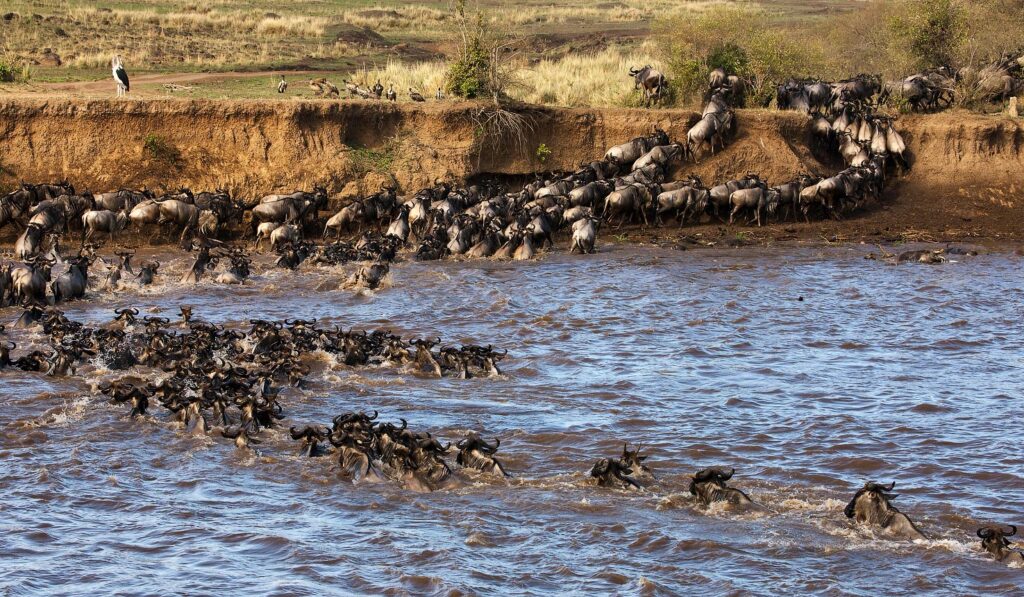
This migration is driven by rainfall patterns rather than dates, but generally, the herds reach Kenya between July and October. During this time, they cross the Mara River, facing crocodiles and predators in one of the most dramatic scenes in the animal kingdom.
When you book the Masai Mara Safari with Woodsly Adventures, your itinerary is designed to place you at the heart of this action — with experienced guides who know the best viewing spots for photography and comfort.
The Best Months to Visit Masai Mara
Each season in the Masai Mara offers a unique safari experience. Here’s what to expect throughout the year:
July to October – The Great Migration Peak
This is the most popular time to visit the Masai Mara. The herds flood the plains, and river crossings are frequent along the Mara and Talek rivers.
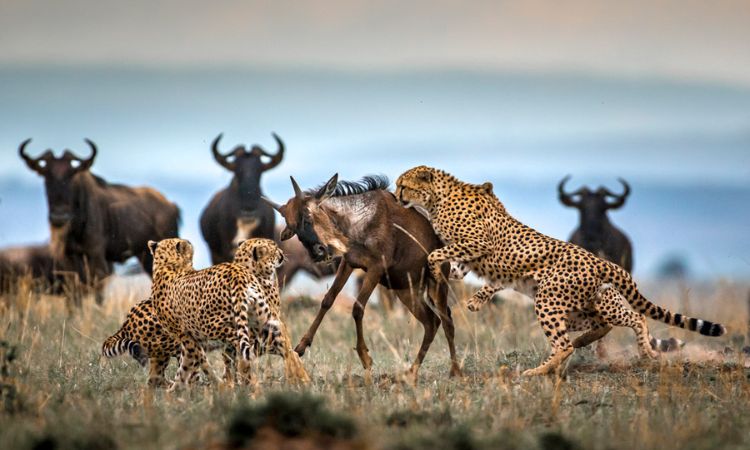
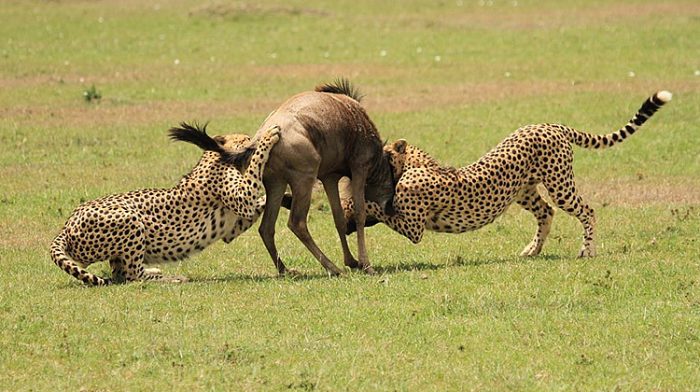
Expect incredible predator action as lions, leopards, and cheetahs take advantage of the abundance of prey. The weather is dry and sunny, making it ideal for photography and game drives.
If witnessing the Great Migration is your goal, July through October is your window. Woodsly Adventures offers tailor-made itineraries during this period, ensuring you stay near the key crossing points.
November to March – Green Season & Calving Time
After the long dry spell, the short rains arrive in November, transforming the Mara into a lush green paradise. Wildlife is still abundant, and you’ll find plenty of newborn animals during January and February.
Birdwatchers will love this period, as migratory species arrive in full color. This is also the best time for photographers who prefer vibrant landscapes and fewer tourists.
The Amboseli Elephant Safari (view tour) pairs beautifully with this season — offering clear views of Mount Kilimanjaro and playful elephant herds.
April to June – The Quiet Season
This is the rainy season in Kenya, but it doesn’t mean you should rule it out. The park is quieter, the grasslands glow in fresh green hues, and lodges offer lower rates.
While heavy rains may limit some drives, it’s a peaceful and intimate time for travelers who prefer solitude and discounted packages. Woodsly Adventures ensures reliable 4×4 transport and experienced guides who know how to navigate the terrain safely.
Weather and Climate in Masai Mara
The Masai Mara enjoys a pleasant climate year-round. Mornings and evenings can be cool, especially between June and August, while afternoons are typically warm.
-
Average daytime temperatures: 24–28°C (75–82°F)
-
Night temperatures: 12–15°C (54–59°F)
-
Rainy periods: April–May (long rains), November (short rains)
This mild weather makes the Masai Mara an ideal destination in every month, depending on your interests — whether it’s wildlife photography, birding, or relaxation.
Choosing the Right Safari Experience
Your safari experience depends not only on when you go, but also how you travel. Woodsly Adventures provides multiple safari options tailored to your goals and budget:
-
Classic Masai Mara Safari: Perfect for first-time visitors who want to see the Great Migration and the Big Five.
-
Luxury Private Safari: Ideal for couples or families seeking exclusive camps, gourmet dining, and private guides.
-
Bush & Beach Package: Combine the Mara’s wild beauty with a relaxing Mombasa Beach Retreat or Wasini Island Marine Park Excursion.
-
Photographic Safari: Guided by expert wildlife photographers to capture unforgettable moments.
Each package is carefully planned to match the migration calendar, giving you the best chance to witness the river crossings and predator interactions.
Booking Tips for the Great Migration
-
Book Early: The peak migration season (July–October) sells out fast. Secure your spot at least six months in advance.
-
Choose the Right Location: Stay near the Mara River or Talek River for the best chance to see crossings.
-
Ask About Private Conservancies: These areas offer exclusive access, night drives, and fewer crowds.
-
Travel with Experts: Local knowledge makes all the difference. Woodsly Adventures guides are trained naturalists who track wildlife behavior daily.
-
Bring the Right Gear: A good zoom lens, binoculars, and layered clothing will enhance your experience.
Alternative Safari Seasons
If you can’t travel during migration season, don’t worry — the Masai Mara is incredible year-round.
-
December to March: Great for birdwatching and calving season.
-
April to June: Perfect for photographers and quiet escapes.
-
October to December: See predators still active after the migration has passed.
For those looking to extend their trip, the Tsavo National Park Adventure offers rugged landscapes and elephants dusted in red earth, while Amboseli’s scenic views of Kilimanjaro provide postcard-perfect moments.
Why Book with Woodsly Adventures
Woodsly Adventures is a locally owned tour company specializing in customized safaris across Kenya. From luxury lodges to private 4×4 vehicles, every trip is crafted for comfort, safety, and authenticity.
When you book with Woodsly Adventures, you’re not just a tourist — you’re part of a story guided by passionate locals who know every track, lodge, and hidden gem in the Mara.
Visit woodsyadventures.com to explore the full list of packages or book your Masai Mara Safari today.
Final Thoughts
The best time to visit Masai Mara depends on what you want to experience.
If your dream is to witness the Great Migration, plan between July and October.
If you love lush landscapes, newborn animals, and fewer crowds, choose the green season (January–March).
No matter when you visit, Woodsly Adventures guarantees an authentic and unforgettable safari experience — blending adventure, comfort, and conservation in the heart of Kenya.