Timing is everything when you want to see the Masai Mara at its most dramatic. While Kenya’s most famous reserve delivers excellent game viewing year-round, the Great Migration adds a once-in-a-lifetime intensity to the experience. Knowing when to travel can mean the difference between a good safari and witnessing one of nature’s greatest spectacles from the best vantage points.
This guide explains how the migration works, outlines a seasonal calendar you can rely on, breaks down month-by-month conditions, and shares practical booking tips from Woodsly Adventures—your trusted local experts. Whether you’re chasing river crossings, newborn wildlife, or quiet green-season landscapes, you’ll find your perfect window below.
Migration Overview
The Great Migration is a continuous, circular movement of over a million wildebeest along with hundreds of thousands of zebras and gazelles as they follow fresh grazing between Tanzania’s Serengeti and Kenya’s Masai Mara. Rainfall dictates the movement rather than hard dates, but general patterns hold true most years.
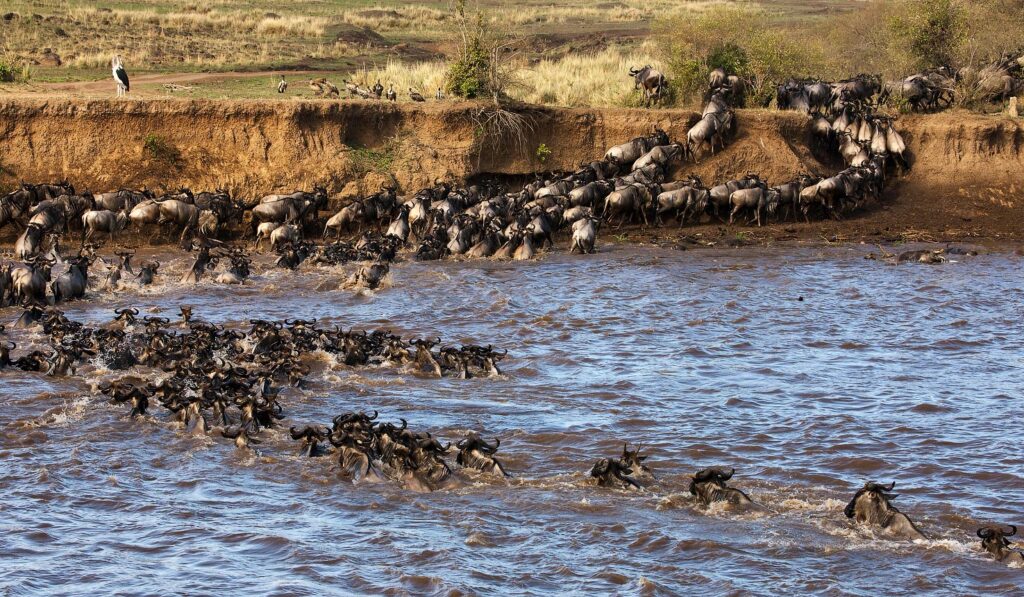
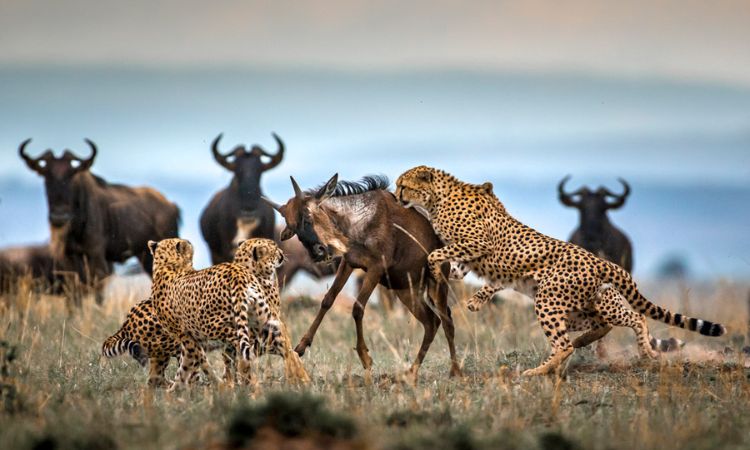
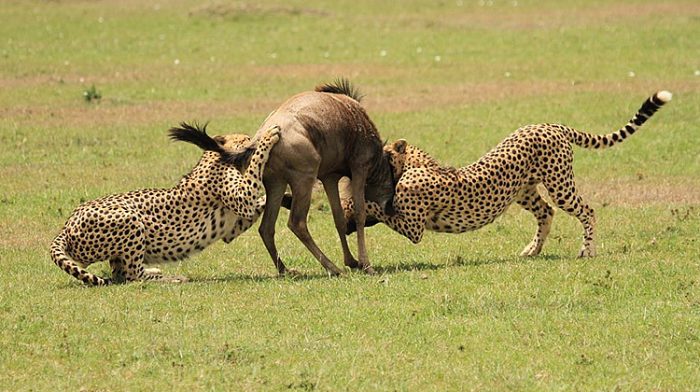
In Kenya, the headline moments occur when the herds push into the Masai Mara and attempt the Mara and Talek river crossings. Crocodiles, strong currents, and steep banks make these crossings both dangerous and riveting to watch. Predators—especially lions and hyenas—shadow the herds throughout this period, concentrating action across the plains.
A key truth: river crossings cannot be guaranteed on a specific day or hour. Success comes from positioning, patience, and local intel. Woodsly Adventures designs itineraries that put you near multiple potential crossing points and uses up-to-the-minute guiding networks to react quickly when movement starts.
Calendar of Wildlife Movements
Use this calendar as a planning compass. It reflects typical patterns; on-the-ground conditions can shift by a few weeks.
-
January–March: Calving season primarily to the south (Serengeti), but the Masai Mara still offers excellent predator and resident game viewing. Lush green landscapes, dramatic skies for photography, and fewer vehicles in the reserve.
-
April–June: Long rains refresh the ecosystem. The Masai Mara is peaceful and outstanding value; resident predators remain active. By late June, advance herds begin to arrive from the south.
-
July–October: Peak migration period in the Masai Mara. Large herds arrive, and river crossings are likely through different weeks, with August and September often the most reliable. Dry conditions shorten grass and concentrate wildlife along water sources.
-
November–December: Short rains. Herds typically begin moving back south. The Mara turns emerald again, predators remain active, and birding is excellent with migratory arrivals.
If you want the highest probability of river crossings, late July through September is your strongest bet. If you prefer fewer crowds and rich color palettes, January–March and November–early December deliver beautifully.
Month-by-Month Safari Experience
January
Green-season tranquility, clear air after showers, and babies everywhere—especially plains game. Lions and cheetahs take advantage of vulnerable young, so predator sightings are frequent. Light is gorgeous for sunrise and sunset photography. Comfortable temperatures and softer rates make January a smart choice for travelers who value atmosphere over crowds.
February
A top month for photographers: crisp mornings, dramatic clouds, and excellent predator–prey interactions around nursery herds. Fewer vehicles mean quieter sightings and more time on scenes. Birding continues to shine with migrants in breeding plumage.
March
Still green and relatively quiet. Grass height can increase, but experienced guides use vantage ridges and river lines to maintain clear viewing. Expect fewer visitors, flexible camp availability, and excellent value across many properties.
April
Start of the long rains. Showers can be heavy, but game drives remain productive between bursts. Roads can be muddy; quality 4x4s matter. Rewards include renewed landscapes, baby animals, and solitude at sightings. Photographers enjoy moody skies and saturated colors.
May
Rain patterns often ease, leaving emerald plains and crisp, washed light. With fewer guests in camp, guides can spend unhurried time at sightings. If you’re cost-conscious and crowd-averse, May is a standout.
June
Transition month. Grasses begin to shorten, visibility improves, and advance migration groups may start to arrive late in the month, especially in the Mara Triangle. Predator activity ramps up as resident game congregates near water.
July
Momentum builds. Main herds push into the Mara and begin testing riverbanks. Early to mid-July can see the first proper crossings depending on the year. Expect escalating predator action and rising demand for rooms near the rivers. Book early if July is your target.
August
Traditionally one of the most reliable months for river crossings and massed herds. Dry conditions intensify predator–prey encounters, and grasses are short for clean compositions. Camps and conservancies are at peak occupancy; itineraries require advance planning and early starts on game drives.
September
Often the sweet spot for a balance of big herds, frequent crossings, and slightly fewer visitors than August. Morning chill is common; afternoons are warm and luminous. Predator cubs grow bolder, adding playful behavior to sightings.
October
Herds may linger through early to mid-October before moving south. This can be a superb month for quieter migration scenes, longer golden hours, and comfortable temperatures. Excellent option if you want migration drama without peak-season pressure.
November
Short rains return, refreshing the plains. Herds typically depart, but the Mara remains rich with resident lions, leopards, cheetahs, elephants, buffalo, and diverse antelopes. Migratory birds arrive; photography benefits from saturated greens and dramatic skies. Rates ease, and camps feel serene again.
December
A vibrant, green month with festive availability at many camps. Predator sightings stay strong, and the reserve is uncrowded compared with peak migration months. Families appreciate comfortable weather and softer light for mid-morning drives.
Practical Trade-offs by Season
-
Peak (July–September): Highest chance of crossings; book 6–12 months ahead; expect premium pricing and more vehicles at marquee scenes.
-
Shoulder (June, October): Fantastic compromise—shorter grass, strong predator action, and better availability.
-
Green (January–March, November–December): Fewer crowds, dramatic skies, newborn wildlife, and excellent value; not a migration month but outstanding for photography and relaxed game viewing.
-
Long Rains (April–May): Quiet, lush, atmospheric, and budget-friendly; expect flexible plans around showers and rely on seasoned guides.
Booking Tips with Woodsly Adventures
Reserve early for peak months
If your goal is a river crossing, plan for late July–September and secure rooms 6–12 months in advance. Camps near crossing corridors and in the Mara Triangle are in high demand. Woodsly Adventures will hold space strategically and recommend a mix of areas to keep you mobile.
Choose locations that match your goals
-
For river crossings: camps with convenient access to the Mara and Talek rivers or within the Mara Triangle.
-
For exclusivity and activities like night drives: consider private conservancies bordering the reserve, which limit vehicle numbers and offer guided walks.
-
For photography: ask for camps with open plains, permitted off-road rules (where applicable), and experienced photographic guides.
Be flexible on daily timing
Crossings can happen at any hour. We adjust your schedule in real-time based on ranger reports, guide networks, and herd behavior—balancing patience at riverbanks with productive drives elsewhere.
Upgrade selectively
If your budget allows, invest in a private vehicle at least for some days. It lets you control angles, time at sightings, and stop for compositions without compromise. A sunrise hot air balloon is also worth adding for a bird’s-eye view of wildlife and the winding rivers.
Pack smart
Bring layers for chilly mornings and warm afternoons; a 200–400mm lens for wildlife; a beanbag or monopod for stabilization; and neutral clothing that blends with the environment.
Combine the Mara with contrasting habitats
Round out your Kenya journey with complementary ecosystems. For rugged, red-earth elephants and expansive wild country, add Tsavo National Park: https://www.woodsyadventures.com/package-detail.php?id=2&package_name=Tsavo%20National%20Park%20Adventure. For a restorative coastal finish with snorkeling and dolphins, choose Wasini Island: https://www.woodsyadventures.com/package-detail.php?id=5&package_name=Wasini%20Island%20Marine%20Park%20Excursion.
Book with a local specialist
Woodsly Adventures is a locally owned operator with deep relationships across camps, conservancies, and guiding teams. That means sharper intel, more responsive logistics, and better-positioned itineraries during the migration.
Sample 7-Night Migration Itinerary Idea
-
Nights 1–2: Private conservancy for exclusive, low-vehicle game drives, night drives, and guided walks.
-
Nights 3–5: Reserve or Mara Triangle near the rivers to maximize crossing chances.
-
Night 6: Optional hot air balloon morning followed by full-day drive tracking herds.
-
Night 7: Shift to a different sector to follow predators or finish with a quiet photographic camp.
This blend increases your odds of crossings while preserving the intimate feel that makes a safari special.
Why Travel with Woodsly Adventures
-
Tailor-made itineraries aligned to your timing, interests, and budget
-
Prime camp placements across conservancies and the reserve
-
Professional, certified guides with real-time migration intelligence
-
Comfortable 4×4 vehicles, seamless transfers, and attentive support
-
Ethical wildlife viewing standards and conservation-forward partners
Start planning here: Masai Mara Safari by Woodsly Adventures
https://www.woodsyadventures.com/package-detail.php?id=1&package_name=Masai%20Mara%20Safari
Final Thoughts
The best time to visit the Masai Mara depends on what you want most—iconic river crossings, newborn animals on emerald plains, or unhurried drives with few other vehicles. With smart timing and a locally engineered itinerary, you can have all the drama and none of the guesswork.
Choose your window, and let Woodsly Adventures put you in the right place at the right time—safely, comfortably, and with the expert guidance that turns sightings into stories.