Planning a safari to Amboseli National Park? Timing can make all the difference between a good trip and a spectacular one. Whether you want to capture clear views of Mount Kilimanjaro, witness massive elephant herds, or avoid the crowds, this month-by-month guide will help you choose the best time to visit.
At Woodsly Adventures, we’ve curated unforgettable safaris to Amboseli for years. Here’s everything you need to know before picking your dates.
1. Understanding Amboseli’s Climate
Amboseli’s weather is shaped by its proximity to Mount Kilimanjaro. It has two dry seasons and two rainy seasons, each offering different advantages for safari-goers.
| Season | Months | Highlights |
|---|---|---|
| Dry Season | Jan–Mar, Jun–Oct | Best wildlife viewing, Kilimanjaro views |
| Long Rains | Apr–May | Fewer tourists, lush landscapes |
| Short Rains | Nov–Dec | Green season, active birdlife |
2. Month-by-Month Breakdown
January – February
-
Weather: Hot and dry, clear skies
-
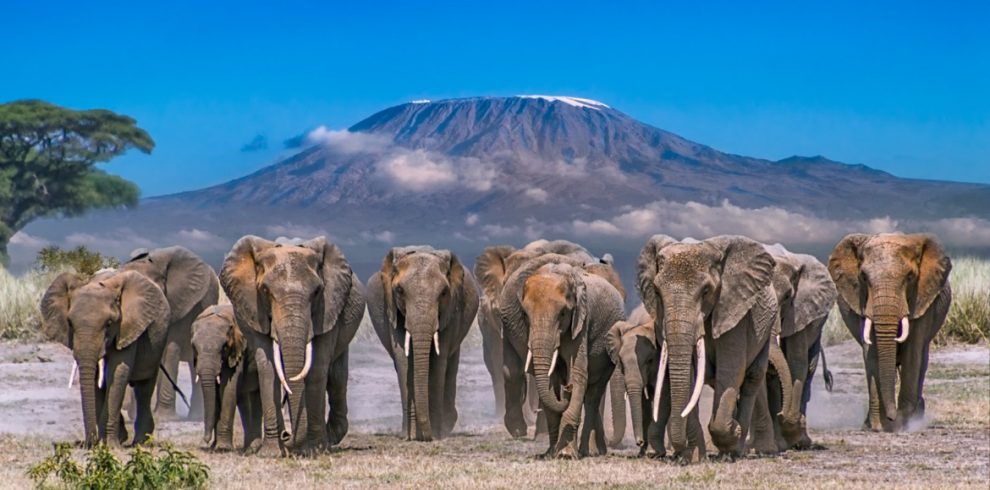
Wildlife: Excellent sightings, elephants gather near swamps
-
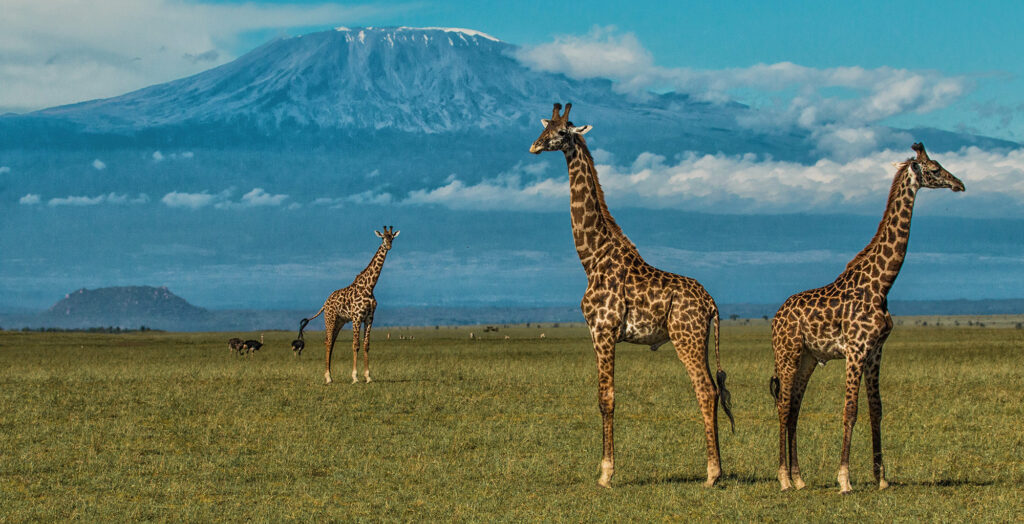
Views: Kilimanjaro usually visible in mornings
-
Why go: Less crowded, great time for photography
-
Recommended tour: Amboseli Elephant Safari
March
-
Weather: Beginning of long rains
-
Wildlife: Still active, though grass begins to grow tall
-
Views: Cloud cover starts to increase
-
Why go: Transitional season, some good deals
April – May (Long Rainy Season)
-
Weather: Wettest months, roads can be muddy
-
Wildlife: Scattered but park is lush and green
-
Views: Kilimanjaro often obscured
-
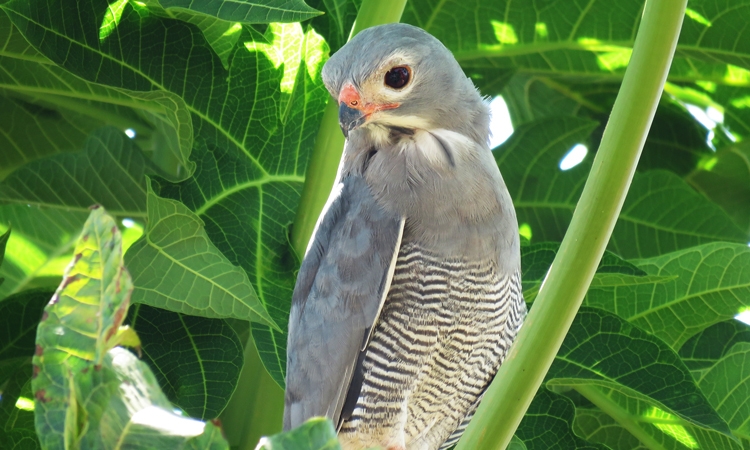
Why go: Budget-friendly, quiet, great for birdwatchers
-
Pro tip: Pair with indoor-friendly lodges
June – July
-
Weather: Dry and cool, very pleasant
-
Wildlife: Animals start gathering around remaining water sources
-
Views: Clear skies mean Kilimanjaro is often visible
-
Why go: Peak safari season begins
August – October
-
Weather: Warm and dry, ideal conditions
-
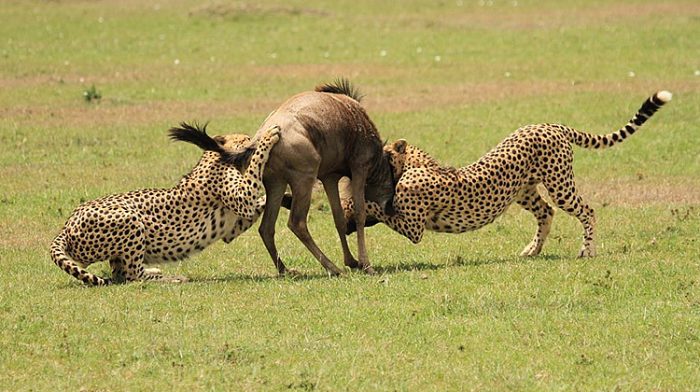
Wildlife: Prime game viewing — elephants, lions, cheetahs
-
Views: Kilimanjaro is frequently in full display
-
Why go: Possibly the best overall safari months
Pair Amboseli with a Masai Mara Safari in August–September for the Great Migration and maximize your Kenya experience.
November – December (Short Rainy Season)
-
Weather: Light rains, but still accessible
-
Wildlife: Abundant greenery, baby animals being born
-
Views: Stunning light for photography
-
Why go: Less crowded, scenic beauty at its peak
Cap off your safari with a Mombasa Beach Retreat — a perfect blend of bush and beach.
3. When Is the Best Time to See Mount Kilimanjaro?
Kilimanjaro is most visible during dry, early mornings in:
-
January–March
-
June–October
If your priority is iconic elephant-and-mountain photography, plan your safari between these months. Woodsly Adventures arranges custom game drives for the best positioning and light.
4. When to Avoid?
There’s technically no “bad” time to visit Amboseli — it’s a year-round destination.
However:
-
April and May can bring heavy rains, making some roads tricky.
-
Holiday periods (Dec 20–Jan 5) can be crowded and more expensive.
5. Budget vs. Luxury Seasons
| Travel Type | Best Months |
|---|---|
| Budget Trips | April–May, November |
| Luxury Season | July–October, January–February |
Off-season travelers can enjoy lower rates, while peak season travelers enjoy best wildlife visibility and weather.
6. Book Early for Peak Months
If you’re planning to travel during June–October or over the holidays, it’s essential to book at least 6 months in advance. Lodges fill up fast and game drive permits are limited.
Let Woodsly Adventures handle everything — from choosing the right lodge to scheduling drives for optimal game viewing.
Final Thoughts
There’s no one-size-fits-all “perfect” month — the best time to visit Amboseli depends on what you value most: wildlife, photography, fewer crowds, or budget.
But with expert planning from Woodsly Adventures, any month in Amboseli can be the safari of a lifetime.