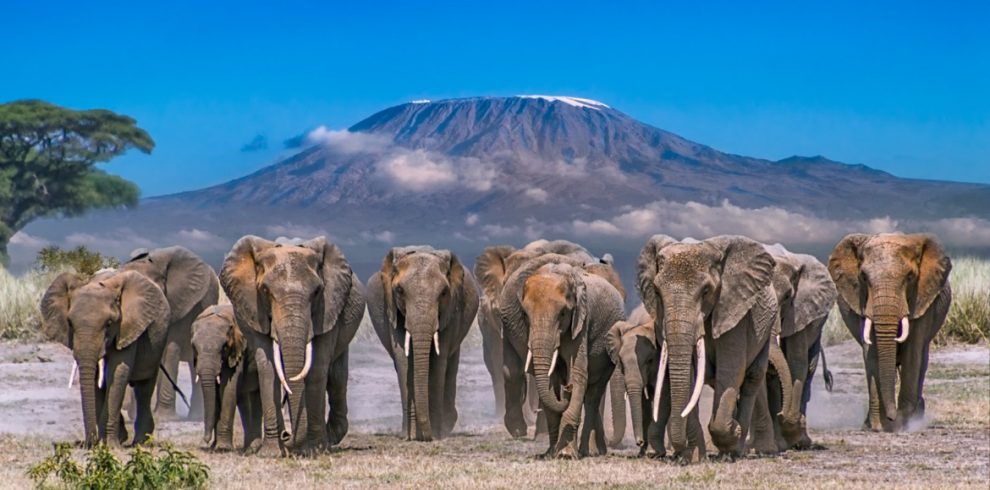
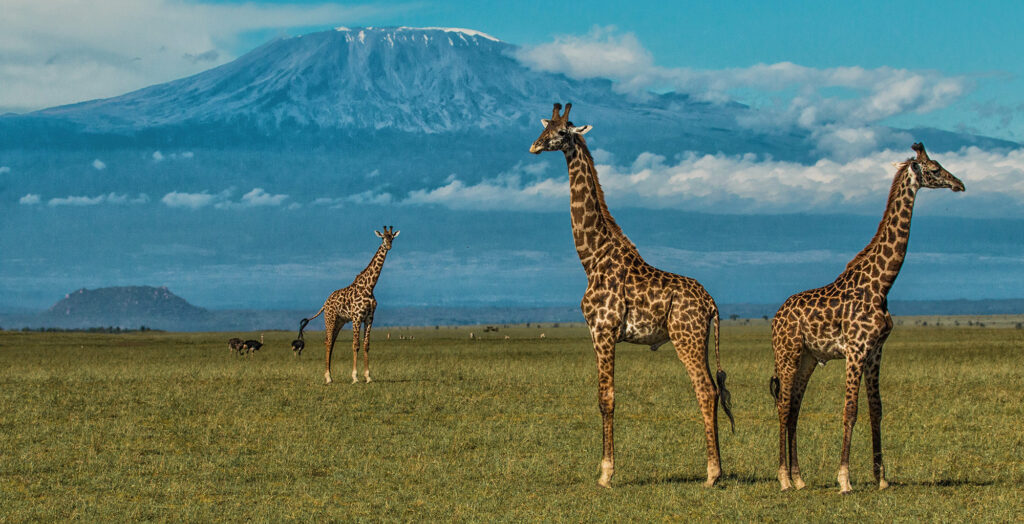
When travelers picture Amboseli, they often imagine vast dusty plains and towering elephants crossing beneath Mount Kilimanjaro. But there’s another side to this remarkable park — a green, living heart that keeps it alive through the hottest seasons.
Amboseli’s hidden wetlands, fed by underground streams from Kilimanjaro’s glaciers, form a network of swamps and marshes that sustain thousands of animals year-round. Without these wetlands, Amboseli would be a desert. With them, it becomes one of the most vibrant ecosystems in Kenya.
Every sunrise reveals the miracle of this landscape — hippos emerging from the water, herons gliding over reeds, and elephants wading gracefully through pools. These are the moments that define Amboseli, and with Woodsly Adventures, travelers get to experience them up close, guided by experts who understand the fragile balance that makes life here possible.
Table of Contents
-
The Origins of Amboseli’s Wetlands
-
Kimana, Enkongo Narok, and Longinye – The Park’s Key Swamps
-
How the Wetlands Sustain Amboseli’s Wildlife
-
Elephants and the Water Cycle – The Architects of Balance
-
Birdlife in the Wetlands – A Paradise for Ornithologists
-
The Importance of Water for Amboseli’s Ecosystem
-
Visiting the Wetlands – What to Expect with Woodsly Adventures
-
Conservation and Community – Protecting Amboseli’s Lifeblood
-
Beyond Amboseli – Connecting Kenya’s Ecosystems
-
Conclusion – Where Water, Life, and Wilderness Meet
1. The Origins of Amboseli’s Wetlands
The story of Amboseli’s wetlands begins with Mount Kilimanjaro, Africa’s highest peak. Snowmelt from its glaciers seeps underground, flowing beneath the border into Kenya, where it resurfaces in the form of natural springs that feed Amboseli’s swamps.
These springs — including Enkongo Narok, Ol Tukai, and Kimana — bring life to a region that receives less than 400 mm of rain annually. The contrast is dramatic: barren volcanic plains stretching into lush, green wetlands teeming with wildlife.
It’s this duality — arid and fertile, harsh and nurturing — that gives Amboseli its character. And it’s what makes a safari here with Woodsly Adventures such a unique experience. You witness not just animals, but the intricate web of forces that sustain them.
2. Kimana, Enkongo Narok, and Longinye – The Park’s Key Swamps
Amboseli’s wetlands are not a single body of water but a collection of distinct ecosystems, each with its own personality and wildlife rhythms.
-
Enkongo Narok Swamp: Located near the center of the park, this is the largest and most accessible wetland. It’s a favorite for elephants, buffalo, and hippos, and its reflective waters create stunning photographic opportunities.
-
Longinye Swamp: Found in the eastern section, it’s a birdwatcher’s paradise — home to flamingos, pelicans, egrets, and crowned cranes.
-
Kimana Swamp: Lying outside the park boundaries, Kimana acts as a crucial wildlife corridor linking Amboseli with Tsavo. During dry months, it becomes a lifeline for migrating herds.
These wetlands are alive with sound — the grunts of hippos, the cries of fish eagles, and the soft rustle of wind through papyrus. When you explore them with Woodsly Adventures, you’ll notice how every ripple and movement tells a story of survival and adaptation.
3. How the Wetlands Sustain Amboseli’s Wildlife
Without its wetlands, Amboseli would not exist as we know it. The park’s animals depend on this constant source of water and vegetation.
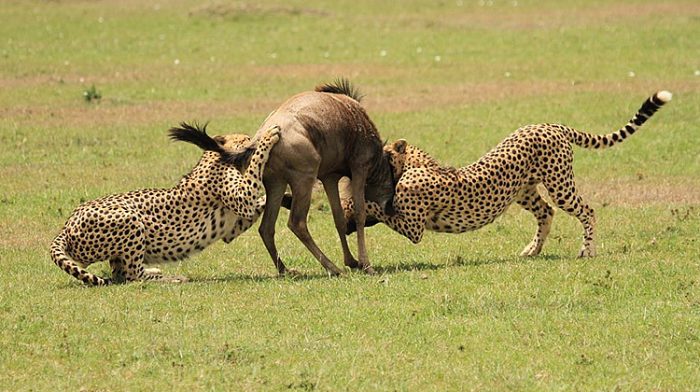
During the dry season, when surrounding regions turn brown and barren, Amboseli remains green. Elephants migrate here from miles away, followed by zebras, wildebeests, and antelopes. Lions and cheetahs stay close behind, knowing prey will always be found near water.
The swamps also support fish and amphibians, which attract birds and smaller predators, forming a continuous cycle of life. It’s this delicate balance that makes Amboseli so biologically rich — and so essential to Kenya’s greater conservation network.
Woodsly Adventures emphasizes this ecological connection in every guided safari, helping guests appreciate not just the beauty of the animals but the system that sustains them.
4. Elephants and the Water Cycle – The Architects of Balance
Amboseli’s elephants are not just residents of the wetlands — they are engineers of the landscape. Their massive size and constant movement shape the environment in powerful ways.
As elephants wade through the swamps, they open up channels that help water flow more freely. Their footprints collect rain and form small pools that serve as nurseries for frogs and insects. They knock down old trees, making space for new vegetation to grow.
This cycle of disturbance and renewal keeps the wetlands healthy. And because Amboseli is home to some of Africa’s largest and oldest elephant families, the results are dramatic — a living ecosystem sculpted by gentle giants.
When you book the Amboseli Elephant Safari with Woodsly Adventures, your guide will show you exactly how elephants interact with the water — how they drink, bathe, and even communicate through low rumbles that vibrate across the swamp.
5. Birdlife in the Wetlands – A Paradise for Ornithologists
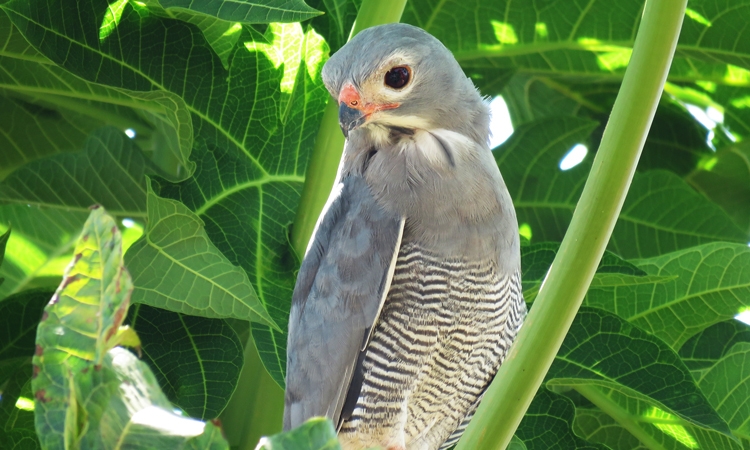
Amboseli’s wetlands are a dream destination for bird lovers. Over 400 bird species have been recorded here, making it one of Kenya’s top spots for ornithological safaris.
The variety is breathtaking: pelicans floating serenely beside hippos, flamingos painting the water pink, and African jacanas stepping gracefully across lily pads. Marsh harriers circle overhead, while fish eagles perch on acacias, scanning the water for prey.
Early morning or late afternoon safaris are especially rewarding. The low light enhances colors, and bird activity peaks as the air cools. Woodsly Adventures organizes bird-focused safaris for travelers who wish to slow down and observe these smaller, often overlooked wonders of Amboseli.
6. The Importance of Water for Amboseli’s Ecosystem
Water is the unifying force that ties Amboseli together. Every creature, from the smallest insect to the largest elephant, depends on it.
The wetlands act as natural reservoirs, storing and filtering water that sustains vegetation and wildlife throughout the year. They also help regulate the park’s temperature, preventing extreme fluctuations that would make life difficult for many species.
But water here is not guaranteed. Climate change and human encroachment threaten the delicate underground streams that feed the wetlands. That’s why responsible tourism, supported by operators like Woodsly Adventures, is so vital — it raises awareness and funding for conservation.
By visiting Amboseli, you become part of the effort to protect its most precious resource.
7. Visiting the Wetlands – What to Expect with Woodsly Adventures
A visit to Amboseli’s wetlands is an experience of contrasts — from the dry plains to the lush, shimmering waters where life gathers.
Woodsly Adventures designs its itineraries to bring travelers face-to-face with this contrast. Your morning drive might begin with lions crossing the dusty savannah, then lead you to a peaceful swamp where elephants bathe and birds soar overhead.
Guides know the wetlands intimately. They can explain the significance of a hippo trail, point out the nest of a rare black-winged stilt, or show you where buffalo graze on the swamp’s edge.
Photographers especially love this part of the park — the reflections, the movement, and the interplay of light and water create endless possibilities for breathtaking shots.
8. Conservation and Community – Protecting Amboseli’s Lifeblood
The survival of Amboseli’s wetlands depends on cooperation — between conservationists, local communities, and ethical safari operators.
Organizations such as the Amboseli Trust for Elephants and the Kenya Wildlife Service work tirelessly to monitor water levels, protect migration corridors, and prevent overuse of groundwater. Local Maasai communities play a crucial role, too, maintaining traditions that respect wildlife and the land.
Woodsly Adventures partners with community-led initiatives, ensuring tourism benefits local people as well as nature. By choosing to travel with them, you’re supporting education, conservation, and sustainable livelihoods that keep Amboseli thriving.
9. Beyond Amboseli – Connecting Kenya’s Ecosystems
Amboseli’s wetlands don’t exist in isolation. They’re part of a larger environmental chain that connects Kenya’s most iconic parks.
Through wildlife corridors, elephants and other species move between Amboseli and Tsavo National Park, helping maintain genetic diversity. The same water that feeds Amboseli’s swamps eventually nourishes the plains leading toward the coast, where Mombasa Beach Retreat and Wasini Island Marine Park Excursion offer their own aquatic wonders.
Travelers often combine these experiences with the Masai Mara Safari to explore Kenya’s complete ecological spectrum — from wetlands to savannah to sea.
Each destination reveals a different face of Kenya’s natural heritage, united by one simple truth: where there is water, there is life.
10. Conclusion – Where Water, Life, and Wilderness Meet
Standing beside the wetlands of Amboseli, you can feel the pulse of the park. The air hums with life, the light shimmers across the water, and every ripple carries a story thousands of years old.
These swamps are not just habitats; they are symbols of resilience — proof that life can flourish even in the harshest environments when balance is maintained.
When you explore Amboseli’s wetlands with Woodsly Adventures, you’re not just a visitor. You’re a witness to one of Africa’s most delicate miracles — and a contributor to its preservation.
Book your Amboseli Elephant Safari today and discover the lifeblood of Kenya’s most enchanting landscape.