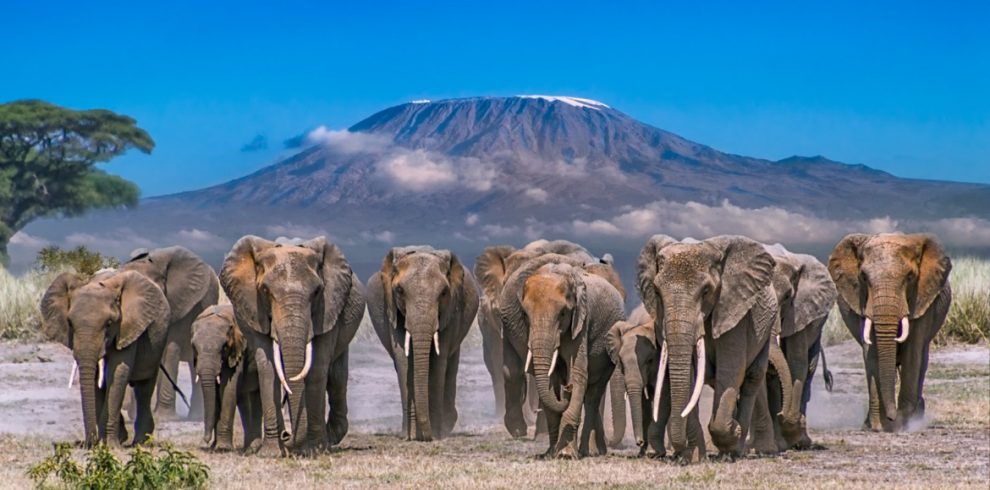
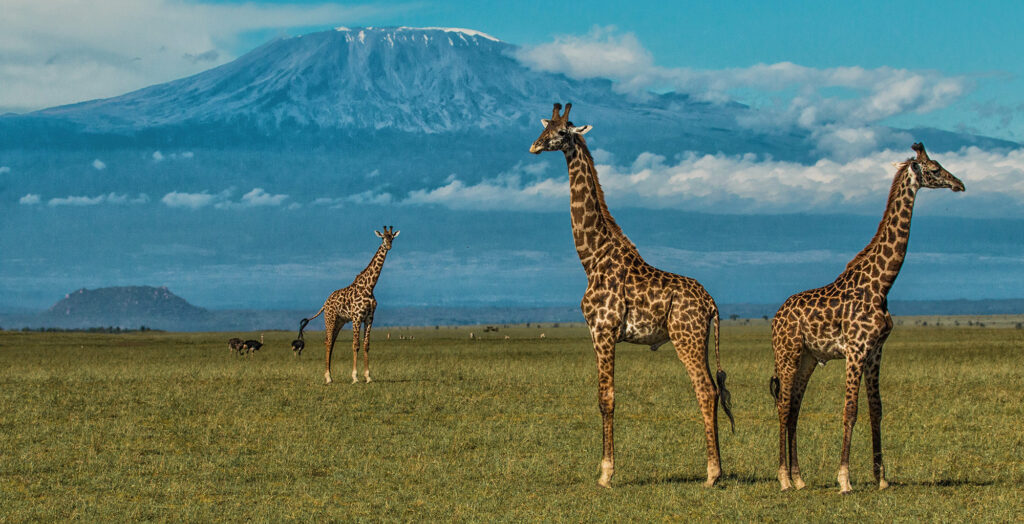
At sunrise, Amboseli stirs with quiet energy. The first light paints the vast plains in gold as elephants move like ancient shadows beneath the watchful gaze of Mount Kilimanjaro. But beyond the postcard beauty lies a remarkable truth — this harmony between wildlife and people is not accidental. It’s the result of years of effort by communities, conservationists, and ethical tour operators who work together to protect Amboseli’s fragile ecosystem.
Today, the future of Kenya’s safari industry lies not just within national parks, but also in the conservancies — privately and community-managed lands that surround them. And at the heart of this movement stands Woodsly Adventures, committed to guiding travelers through safaris that preserve Amboseli’s natural balance while uplifting the Maasai communities who call it home.
Table of Contents
-
What Are Conservancies?
-
Amboseli’s Ecosystem – A Living, Breathing Network
-
Key Conservancies Around Amboseli
-
The Role of the Maasai Community
-
Wildlife Corridors – Keeping Amboseli Connected
-
Sustainable Safaris with Woodsly Adventures
-
How Tourism Supports Conservation
-
The Future of Eco-Travel in Amboseli
-
Beyond Amboseli – Linking Tsavo and Mara
-
How You Can Be a Responsible Traveler
1. What Are Conservancies?
In Kenya, conservancies are areas of land managed for both conservation and community benefit. Unlike traditional national parks, these lands are often owned by local people who lease them for wildlife use while maintaining grazing rights or tourism partnerships.
In Amboseli, this approach has been revolutionary. It has turned potential conflict into cooperation — ensuring that elephants, lions, and people can coexist peacefully. Conservancies offer animals the freedom to roam beyond park borders while providing locals with income through tourism, conservation fees, and employment.
When you book with Woodsly Adventures, part of your safari fee directly supports these conservancies — meaning every game drive helps sustain both wildlife and livelihoods.
2. Amboseli’s Ecosystem – A Living, Breathing Network
Amboseli National Park is just 390 square kilometers, but the true Amboseli ecosystem covers more than 5,000 square kilometers. This wider region includes community lands, conservancies, and migration corridors that link Amboseli to the Chyulu Hills and Tsavo.
Without these surrounding zones, Amboseli’s famed elephants and predators couldn’t survive. During dry seasons, animals move beyond park borders in search of water and pasture. Conservancies like Kitirua, Kimana, and Eselenkei provide safe havens that prevent human-wildlife conflict and maintain ecological balance.
By supporting eco-conscious safaris through Woodsly Adventures, travelers help ensure these lifelines remain open for generations.
3. Key Conservancies Around Amboseli
Several community conservancies surround Amboseli, each playing a vital role in conservation and tourism:
-
Kimana Sanctuary: One of Kenya’s oldest community sanctuaries, it acts as a wildlife corridor between Amboseli and Tsavo. Known for its resident elephants, it’s ideal for peaceful photography and night safaris.
-
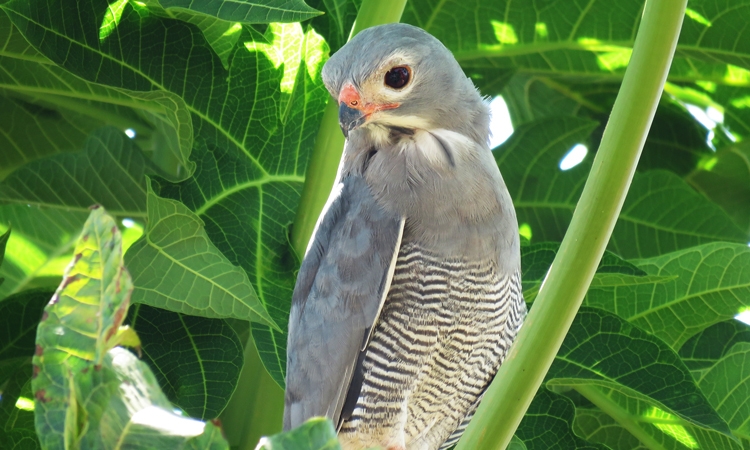
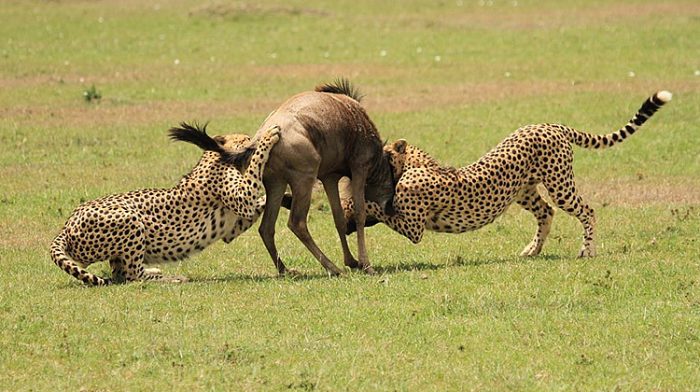
Eselenkei Conservancy: Managed by the Maasai, it’s home to lions, cheetahs, giraffes, and hundreds of bird species. Its quiet atmosphere offers an exclusive safari experience.
-
Kitirua Conservancy: Bordering Amboseli, Kitirua provides vital space for migrating herds and is a model of sustainable tourism collaboration.
Woodsly Adventures partners with local guides from these conservancies, ensuring your experience directly benefits those who protect the land.
4. The Role of the Maasai Community
The Maasai people have lived alongside Amboseli’s wildlife for centuries. Their traditions emphasize balance with nature — a principle that modern conservation has only recently begun to understand.
Through community conservancies, the Maasai lease parts of their land for conservation while maintaining cultural practices like cattle grazing in designated zones. The income from tourism funds education, healthcare, and water projects, turning wildlife into a source of empowerment rather than conflict.
Woodsly Adventures works closely with Maasai communities to ensure guests enjoy respectful, authentic interactions — village visits, storytelling sessions, and guided walks that celebrate heritage without exploitation.
5. Wildlife Corridors – Keeping Amboseli Connected
Amboseli’s animals don’t recognize borders. Elephants migrate across vast distances, linking Amboseli to Tsavo and even west toward the Mara ecosystem.
However, expanding farmland and settlement threaten these migration paths. That’s why conservancies like Kimana are so critical — they act as bridges between protected areas, allowing herds to move freely.
When travelers choose eco-conscious tour companies such as Woodsly Adventures, they directly support corridor preservation efforts that keep Amboseli alive and connected.
6. Sustainable Safaris with Woodsly Adventures
Woodsly Adventures believes that tourism should never take more than it gives. Their Amboseli Elephant Safari is designed with conservation in mind.
Here’s how they lead in sustainability:
-
Partnering with community-run lodges and camps that prioritize eco-friendly operations.
-
Employing local Maasai guides who share cultural and ecological knowledge.
-
Limiting vehicle numbers in sensitive zones to reduce environmental impact.
-
Supporting tree-planting and clean water initiatives around Amboseli villages.
Every itinerary — whether combining Amboseli with Tsavo National Park Adventure or a coastal break at Mombasa Beach Retreat — reflects a commitment to responsible travel.
7. How Tourism Supports Conservation
When managed well, tourism becomes the lifeblood of conservation. In Amboseli, park and conservancy fees fund:
-
Ranger patrols that deter poaching
-
Compensation programs for livestock losses
-
Habitat restoration and anti-grazing conflict projects
-
Educational programs for local youth
The more travelers choose sustainable safaris, the more resilient these systems become. A single booking with Woodsly Adventures can support up to 10 local families — proving that responsible travel has real impact.
8. The Future of Eco-Travel in Amboseli
Kenya’s vision for tourism is evolving. The future lies not in mass tourism, but in high-quality, low-impact experiences that protect landscapes and elevate communities.
Conservancies around Amboseli are leading this transformation. By integrating conservation science, community leadership, and tourism, they are creating models that other regions in Africa are beginning to follow.
Woodsly Adventures is at the forefront of this shift — crafting safaris that are immersive, educational, and regenerative. Travelers not only see Amboseli; they become part of its ongoing story of coexistence.
9. Beyond Amboseli – Linking Tsavo and Mara
Amboseli’s conservation success is connected to Kenya’s broader ecological network. Wildlife corridors link it with Tsavo, Chyulu Hills, and eventually the Masai Mara — each with its own web of conservancies.
Travelers can experience this connectivity firsthand with Woodsly Adventures’ multi-park itineraries:
-
Start with the Amboseli Elephant Safari, then head east for the Tsavo National Park Adventure, where red dust and rugged wilderness contrast Amboseli’s open plains.
-
Finish with the Masai Mara Safari to witness the Great Migration.
This seamless journey reveals Kenya’s interconnected ecosystems — a testament to why protecting corridors and conservancies matters far beyond Amboseli’s borders.
10. How You Can Be a Responsible Traveler
Sustainability begins with awareness — and action. Here’s how every visitor can contribute:
-
Choose ethical operators: Partner with companies like Woodsly Adventures that invest in community partnerships and conservation.
-
Stay in eco-lodges: Select camps that use solar power, limit plastic use, and employ local staff.
-
Travel in small groups: Reduces environmental footprint and enhances wildlife encounters.
-
Respect local culture: Engage with Maasai traditions thoughtfully and support locally made crafts.
-
Offset your carbon footprint: Woodsly Adventures helps guests calculate and balance emissions through conservation programs.
When you travel consciously, you ensure that Amboseli remains wild, beautiful, and welcoming — not just today, but for generations.