Amboseli National Park doesn’t just change with the light — it transforms with the seasons. From the shimmering dust of the dry months to the emerald glow of the rains, the landscape evolves like a living painting.
Each season brings its own rhythm, its own personality. The elephants move differently, the colors shift, and the air itself seems to carry a different story. Understanding these changes helps travelers plan a safari that aligns with what they love most — whether it’s crystal-clear photography, quiet solitude, or the thrill of dramatic weather sweeping across the plains.
With Woodsly Adventures, timing your visit to Amboseli isn’t about luck; it’s about insight. Their deep understanding of Kenya’s seasons ensures every trip is perfectly tailored — from choosing the right month to matching your itinerary with the park’s natural heartbeat.
Table of Contents
-
The Two Main Seasons – Dry and Wet
-
The Dry Season (June–October) – Prime Time for Wildlife Viewing
-
The Short Rains (November–December) – Renewal and Color
-
The Green Season (March–May) – Peaceful and Lush
-
Amboseli Through the Lens – Photography in Different Seasons
-
Best Time for Birdwatching
-
How Weather Shapes Wildlife Experiences
-
Planning Your Trip – What Each Season Offers
-
How Woodsly Adventures Helps You Choose the Perfect Safari Season
-
Conclusion – Every Season Has Its Story
1. The Two Main Seasons – Dry and Wet
Kenya’s climate, especially in Amboseli, follows a simple yet beautiful rhythm — the dry season and the wet season, each bringing its own wonders.
Amboseli’s location near the base of Mount Kilimanjaro gives it a semi-arid climate, meaning it receives less rain than many other parks. The temperatures remain warm year-round, ranging between 24°C and 30°C (75°F–86°F), but the way the landscape feels and behaves changes dramatically depending on the season.
Understanding this cycle is key to planning your safari — and it’s what makes Amboseli endlessly fascinating.
2. The Dry Season (June–October) – Prime Time for Wildlife Viewing
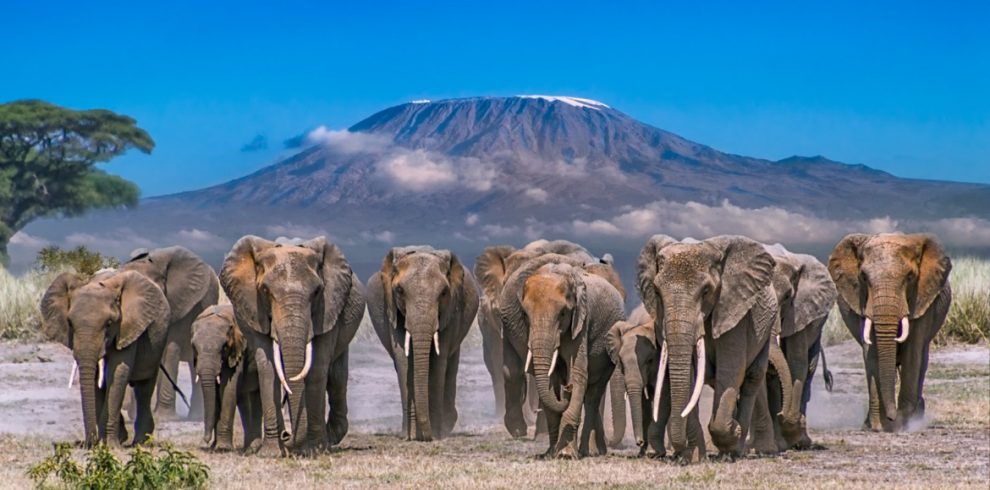
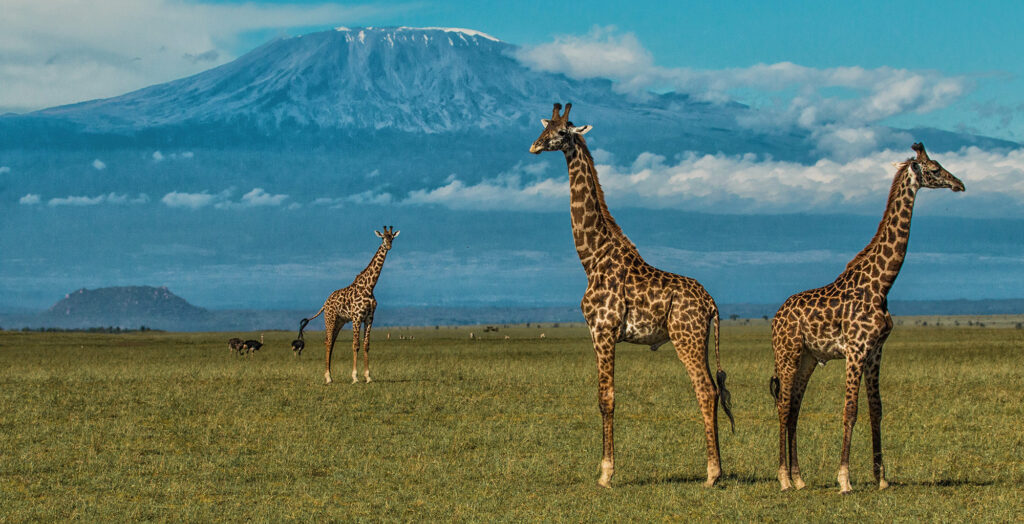
If you’re dreaming of classic safari scenes — herds crossing golden plains, elephants silhouetted against a clear Kilimanjaro, and crisp mornings filled with animal calls — the dry season is your moment.
From June to October, Amboseli becomes the ultimate destination for wildlife viewing. The vegetation thins, making animals easier to spot. Water sources shrink, drawing elephants, buffaloes, zebras, and giraffes to the park’s famous marshes and swamps.
The skies are clear, the roads are firm, and the air feels crisp and light — perfect for long game drives and photography.
This is also the best time to combine your Amboseli experience with a Masai Mara Safari, as the Great Migration takes place in the Mara during the same months.
For many travelers, this is the quintessential Kenyan safari season — full of energy, life, and movement.
3. The Short Rains (November–December) – Renewal and Color
After months of dryness, the first drops of rain arrive in late October or early November, and Amboseli transforms almost overnight.
Grass sprouts from the dusty ground, the sky deepens to a dramatic blue, and Kilimanjaro appears sharper and more majestic than ever. Animals seem more relaxed — the dust settles, the waterholes refill, and the air feels fresh and cool.
These short rains rarely disrupt travel. In fact, they bring a special magic to Amboseli — it’s less crowded, yet still teeming with wildlife. The elephants look radiant against the green plains, and the park’s many bird species return in full color.
For travelers who prefer a balance of vibrant landscapes and good wildlife visibility, November and December are ideal months.
4. The Green Season (March–May) – Peaceful and Lush
From March to May, Amboseli enters what’s known as the long rains — a period that paints the park in shades of emerald and gold.
While some parts of Kenya can become challenging to traverse during these months, Amboseli remains accessible, especially with expert guides from Woodsly Adventures who understand the terrain.
This season offers something the dry months cannot — tranquility. The crowds are gone, the air is rich with life, and the park feels personal.
It’s the perfect time for photographers who crave dramatic skies and reflections, and for travelers who prefer serenity over spectacle. You’ll find Amboseli at its most soulful — quiet, clean, and thriving.
5. Amboseli Through the Lens – Photography in Different Seasons
Each season gives Amboseli a distinct palette, and photographers often plan their safaris around light, color, and composition.
-
Dry Season: The best time for sharp contrast and iconic images — elephants walking across sunbaked plains with Kilimanjaro perfectly visible in the background.
-
Short Rains: Lush colors, soft lighting, and the dramatic contrast of green grass against red soil. Great for portrait-style wildlife shots.
-
Green Season: Stormy skies, reflections, and the rare chance to capture Amboseli’s landscapes in their most atmospheric form.
With Woodsly Adventures, travelers can arrange guided photography safaris designed around the season’s strengths, ensuring you capture Amboseli’s essence at its most beautiful.
6. Best Time for Birdwatching
For bird enthusiasts, Amboseli is a year-round paradise — but the wet season (November to April) is the true highlight.
During this time, migratory birds from Europe and northern Africa arrive, joining local species to create a dazzling array of color and song.
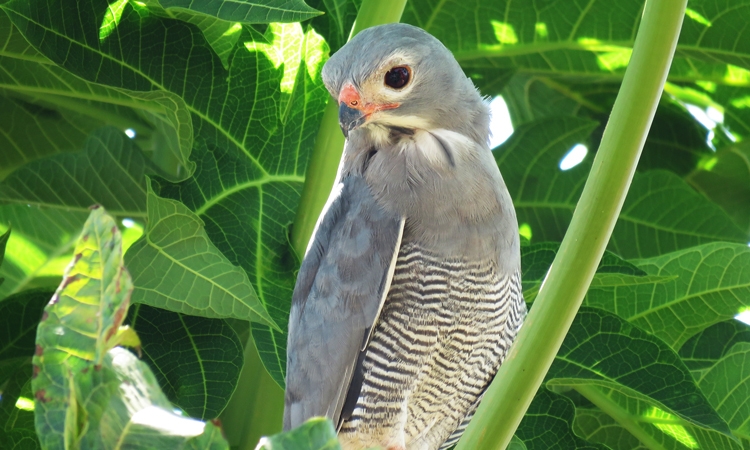
You can expect to see pelicans, flamingos, crowned cranes, egrets, and kingfishers, all drawn to the park’s lush wetlands. The vibrant greenery provides the perfect backdrop for bird photography, and guides from Woodsly Adventures help identify and interpret each species’ behavior.
Even travelers who aren’t avid birdwatchers often find themselves captivated by this side of Amboseli — a quieter, gentler beauty beyond the Big Five.
7. How Weather Shapes Wildlife Experiences
Amboseli’s seasons don’t just change the landscape — they shape how animals move, feed, and interact.
-
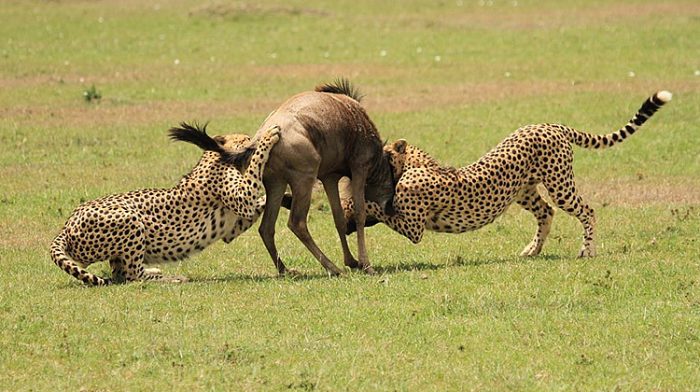
Dry Season: Elephants gather near the swamps, predators follow prey more actively, and visibility is excellent.
-
Short Rains: Wildlife disperses slightly as new grazing areas appear, but sightings remain consistent.
-
Green Season: Many animals give birth, offering adorable newborn sightings and heartwarming interactions.
Each shift in weather brings a new rhythm to the park. That’s what makes Amboseli so dynamic — no two visits are ever the same.
8. Planning Your Trip – What Each Season Offers
| Season | Months | Highlights | Ideal For |
|---|---|---|---|
| Dry Season | June – October | Clear skies, best wildlife viewing, easy travel | First-time safari-goers, photographers, families |
| Short Rains | November – December | Fresh greenery, fewer crowds, active wildlife | Romantic getaways, balanced experiences |
| Green Season | March – May | Lush landscapes, newborn animals, great birding | Peace seekers, photographers, eco-travelers |
It’s also worth noting that January and February — falling between the short and long rains — are excellent transitional months, often called “the secret season.” Amboseli enjoys warm, dry days, abundant wildlife, and fewer tourists — a sweet spot for travelers seeking exclusivity without compromise.
9. How Woodsly Adventures Helps You Choose the Perfect Safari Season
Timing your safari can be overwhelming when every month offers something different. That’s where Woodsly Adventures makes the difference.
Their local expertise ensures your experience matches your priorities:
-
For wildlife lovers: Dry season safaris like the Amboseli Elephant Safari maximize visibility and animal encounters.
-
For photographers: Custom itineraries during the green or short-rain seasons capture Amboseli’s most photogenic moments.
-
For couples: Combine Amboseli’s romance with a Mombasa Beach Retreat — perfect for honeymooners seeking both adventure and relaxation.
-
For explorers: Extend your journey to the Tsavo National Park Adventure or Masai Mara Safari, combining Kenya’s ecosystems across seasons.
Woodsly Adventures doesn’t just book tours — they design experiences around your story, your timing, and your dream of Africa.
10. Conclusion – Every Season Has Its Story
Amboseli never sleeps, and it never repeats itself.
In June, the dust glows gold as elephants march across the plains. In November, raindrops sparkle on acacia leaves, and life bursts back into color. In May, the grass stands tall, and the park hums with new beginnings.
Every season tells a different story, and whichever one you choose, Amboseli will meet you with wonder.
With Woodsly Adventures, your safari becomes more than a trip — it becomes a reflection of nature’s cycles and your own sense of discovery.
So whether you seek the thrill of wildlife, the calm of the rains, or the poetry of the sky beneath Kilimanjaro, let Woodsly Adventures guide you to the right moment. Because in Amboseli, there is no wrong time — only the right experience waiting to happen.