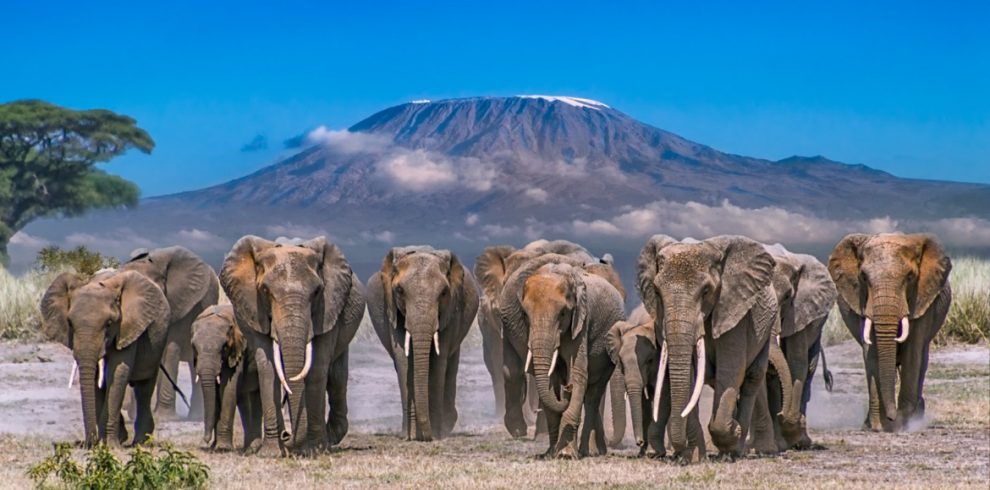
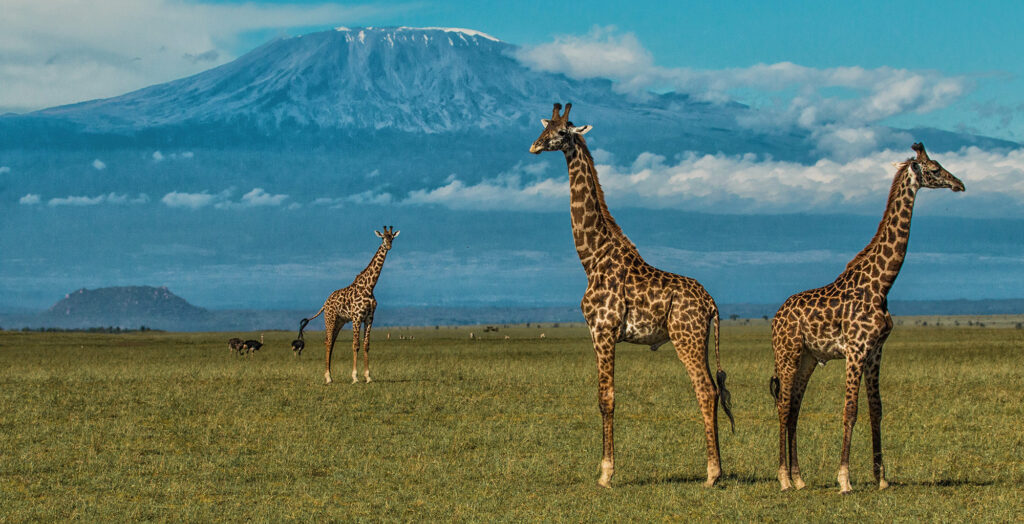
In the heart of southern Kenya lies Amboseli National Park — a place where wildlife roams free beneath the towering shadow of Mount Kilimanjaro. But beyond its elephants and open plains, Amboseli holds another story — one woven through generations, shaped by fire, tradition, and deep respect for the land.
That story belongs to the Maasai.
The Maasai are not just residents of Amboseli; they are its guardians, its storytellers, and the living bridge between nature and culture. Their bright red shukas move gracefully against the golden savannah, a reminder that Amboseli is more than a destination — it’s a living heritage.
Through Woodsly Adventures, visitors can step into this world respectfully — to see Amboseli not just through a traveler’s lens, but through the eyes of those who have called it home for centuries.
Table of Contents
-
The Maasai: Guardians of Amboseli’s Land
-
Life in Harmony – Cattle, Land, and Wildlife
-
The Meaning of Red – Symbolism in Maasai Identity
-
Songs, Stories, and Ceremonies Under the Kilimanjaro Sky
-
Visiting a Maasai Village with Woodsly Adventures
-
Traditional Crafts and the Art of Beadwork
-
Women’s Role and Wisdom in Maasai Life
-
The Maasai Language – Music in Words
-
Sustainability and Community Tourism in Amboseli
-
Conclusion – The Human Heart of the Safari
1. The Maasai: Guardians of Amboseli’s Land
For generations, the Maasai people have lived on the lands surrounding Amboseli, coexisting with wildlife in ways that have shaped the park’s identity. Their understanding of animal behavior, migration routes, and weather patterns long predate modern conservation science.
They call this land Enkare Amboseli, meaning “salty dust” — a reference to the park’s shimmering salt flats and arid plains. Yet to them, Amboseli is far from barren. It is sacred ground, a living ecosystem sustained by balance and respect.
Unlike many communities, the Maasai never fence off land. Their philosophy allows wildlife to move freely across the landscape. It’s a model of harmony that inspires Woodsly Adventures’ eco-friendly safari philosophy — one where tourism supports rather than disrupts local life.
2. Life in Harmony – Cattle, Land, and Wildlife
Cattle are the heartbeat of Maasai culture. To the Maasai, wealth is not measured in money but in cows — symbols of life, sustenance, and status. Every morning, herders lead their animals across the plains, often sharing paths with elephants, zebras, and antelope.
This coexistence isn’t accidental; it’s ancestral wisdom. The Maasai have always believed that humans and animals were created to share the same land. Their grazing systems, water practices, and movement patterns naturally preserve the environment.
When you travel with Woodsly Adventures, you don’t just see wildlife — you see the relationships that sustain it. Guides often explain how Maasai herders track rainfall, understand animal migrations, and interpret signs from the sky. It’s a living form of ecological knowledge, passed down through oral tradition.
3. The Meaning of Red – Symbolism in Maasai Identity
One of the first things visitors notice is the red garment — the shuka — worn proudly by Maasai men and women. But red is not just a color; it’s a declaration of identity.
Red represents strength, courage, and the lifeblood that connects all living things. It’s said to protect the Maasai from wild animals, symbolically and spiritually. The contrast between the bright fabric and the golden grasslands has become one of Africa’s most iconic images.
Beyond the aesthetic, each shuka tells a story — of clan, ceremony, or status. During your visit with Woodsly Adventures, Maasai hosts often explain the meaning behind the garments and allow visitors to try them on, creating a personal link to an ancient tradition.
4. Songs, Stories, and Ceremonies Under the Kilimanjaro Sky
At night, under a canopy of stars and the distant presence of Mount Kilimanjaro, the Maasai gather to sing. Their music, known as enkipaata, isn’t just performance — it’s history, prayer, and celebration woven into rhythm.
The songs tell of bravery, love, and the bond between people and nature. Warriors chant deep, resonant tones while women respond in harmonies that echo across the plains. Each voice carries centuries of heritage.
Woodsly Adventures includes optional cultural evenings in select safari packages, where guests can witness these traditional dances and learn their meanings. It’s not a staged show — it’s an exchange, a moment of understanding between traveler and host.
5. Visiting a Maasai Village with Woodsly Adventures
One of the most meaningful experiences in Amboseli is visiting a Maasai village — known locally as a manyatta. These traditional homesteads are circular, built with natural materials like mud, sticks, and cow dung, blending seamlessly into the landscape.
When you visit with Woodsly Adventures, it’s done with full respect for the community. Guests are welcomed by local elders, shown how homes are constructed, and introduced to daily Maasai life — from milking cows to crafting jewelry.
Every visit supports the village directly. Fees go toward education, clean water projects, and women’s cooperatives, ensuring that tourism benefits the community as much as the traveler.
What makes this experience powerful is not spectacle, but connection. You share stories, laughter, and tea. You see the world not as a tourist, but as a guest.
6. Traditional Crafts and the Art of Beadwork
Maasai beadwork is a language of its own — one of beauty, identity, and pride. Each color carries meaning: red for bravery, white for peace, blue for the sky, and green for land and growth.
The intricate necklaces, bracelets, and earrings worn by Maasai women are more than decoration; they tell stories of lineage, age, and social role. The patterns are passed down from mother to daughter, ensuring cultural continuity.
Visitors can watch artisans at work, often creating pieces that support local income and empowerment programs. Purchasing authentic beadwork through Woodsly Adventures’ trusted partners means supporting these women directly — every bead, a link between traveler and tradition.
7. Women’s Role and Wisdom in Maasai Life
While Maasai society is often portrayed through the image of male warriors, women are its foundation. They build homes, raise children, manage livestock, and preserve oral traditions. Their songs, rituals, and stories are the threads that hold the community together.
In Amboseli, Woodsly Adventures partners with women’s cooperatives that use tourism as a force for empowerment. These initiatives train women in entrepreneurship, education, and craft management — ensuring that the benefits of tourism extend across generations.
Meeting these women is deeply moving. Their dignity, humor, and resilience embody the soul of Amboseli itself.
8. The Maasai Language – Music in Words
The Maasai language, Maa, is as lyrical as their songs. It’s filled with rhythm and tone, reflecting their oral storytelling traditions. Every phrase carries emotion — whether it’s a greeting, a blessing, or a story shared by the fire.
During your cultural safari with Woodsly Adventures, guides often translate common phrases and greetings. A simple “Sopa!” (hello) or “Ashe oleng!” (thank you very much) can open doors of warmth and welcome.
Language becomes connection — not just of words, but of hearts.
9. Sustainability and Community Tourism in Amboseli
Responsible tourism is at the core of Woodsly Adventures. Every Maasai experience is designed with sensitivity — ensuring authenticity, dignity, and fair partnership.
Funds from cultural visits help support schools, healthcare, and conservation projects. The company’s approach aligns with the Maasai principle of enkanyit — living with respect for people, animals, and the environment.
By choosing Woodsly Adventures, travelers play an active role in sustaining Amboseli’s delicate harmony. You’re not just exploring Kenya; you’re contributing to its preservation.
10. Conclusion – The Human Heart of the Safari
Most visitors come to Amboseli for elephants, lions, and Kilimanjaro’s snowcapped peaks. But what stays with them longest is something deeper — the warmth of a Maasai smile, the rhythm of their songs, the strength of their stories.
The Maasai are not relics of the past. They are living culture — evolving, adapting, and thriving, while staying true to their roots. Their connection to Amboseli is both spiritual and practical, reminding us that conservation is not just about animals, but about people who have always protected them.
With Woodsly Adventures, you’ll experience Amboseli not as an observer, but as a participant in its living heritage. You’ll walk where the Maasai walk, listen to their wisdom, and leave with a piece of their spirit in your heart.
Book your Amboseli Elephant Safari today and discover Amboseli through the eyes of its true guardians — the Maasai, the storytellers of the land.