Every safari in Amboseli National Park tells a different story, shaped by the light, the land, and the rhythm of the seasons.
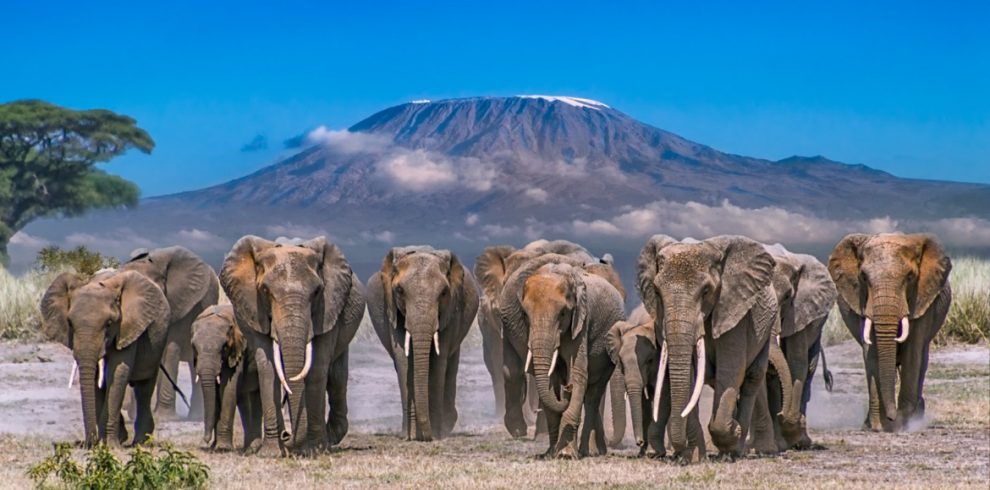
Sometimes the plains shimmer gold under the dry sun, elephants crossing through clouds of dust beneath Mount Kilimanjaro’s blue shadow. Other times, rain brings the land back to life — grass turns emerald, birds fill the air, and the scent of wet earth lingers in the wind.
Whether you’re a photographer chasing clarity, a traveler seeking calm, or a wildlife lover dreaming of close encounters, Amboseli offers its own version of perfection — you just need to choose the right time.
At Woodsly Adventures, we believe there’s no “wrong” time to visit Amboseli. There are simply different kinds of magic waiting in every season.
Table of Contents
-
Understanding Amboseli’s Climate and Landscape
-
The Dry Season (June – October): Clarity, Wildlife, and Golden Plains
-
The Short Rains (November – December): A Hint of Green Renewal
-
The Long Rains (March – May): Lush Landscapes and Fewer Crowds
-
The Green Season (January – February): Between Calm and Color
-
Seasonal Wildlife Highlights – What You’ll See and When
-
Photography Tips for Each Season
-
Pairing Amboseli with Other Kenyan Destinations
-
Why Woodsly Adventures Plans Each Safari by the Seasons
-
Conclusion – Your Perfect Amboseli Moment
1. Understanding Amboseli’s Climate and Landscape
Amboseli’s beauty lies in contrast. It’s a park of open plains and hidden wetlands, of sunbaked salt flats and lush swamps that shimmer even in drought. This diversity is possible because of a unique water system fed by underground streams from Mount Kilimanjaro.
Despite its arid reputation, Amboseli never truly dries out. Even in the hottest months, elephants wade through cool water, hippos rest in the shade, and reeds sway in the breeze.
The park has two main seasons — dry and wet — but each reveals a new dimension of Amboseli’s character.
2. The Dry Season (June – October): Clarity, Wildlife, and Golden Plains
For many travelers, the dry season is the quintessential safari period — and for good reason.
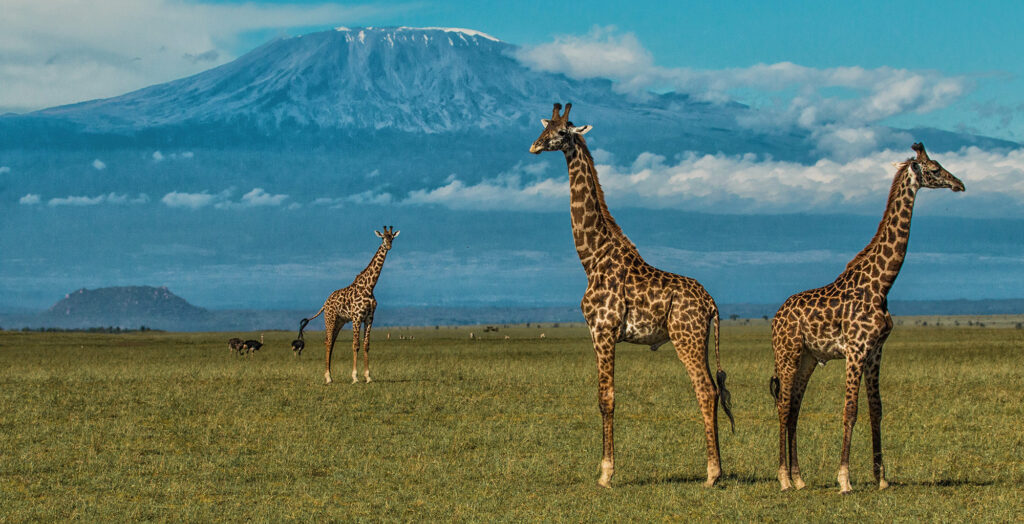
From June to October, Amboseli’s skies are clear, the air crisp, and the landscape glows gold beneath Kilimanjaro’s snowcapped peak. Water sources shrink, concentrating wildlife around the wetlands, making sightings easy and spectacular.
Elephants gather in large herds, wildebeest and zebras move in shimmering lines, and predators follow closely behind. The visibility is perfect — not just for spotting wildlife, but for photography too.
Why visit now:
-
Best wildlife viewing of the year.
-
Clear, unobstructed views of Mount Kilimanjaro.
-
Comfortable temperatures and little to no rain.
-
Excellent for photography and families.
The dry season is ideal for Amboseli Elephant Safaris with Woodsly Adventures. The contrast between golden grass, blue sky, and red earth creates unforgettable moments — every frame a postcard.
3. The Short Rains (November – December): A Hint of Green Renewal
After months of dryness, the first drops of rain fall softly over Amboseli, transforming the plains within days.
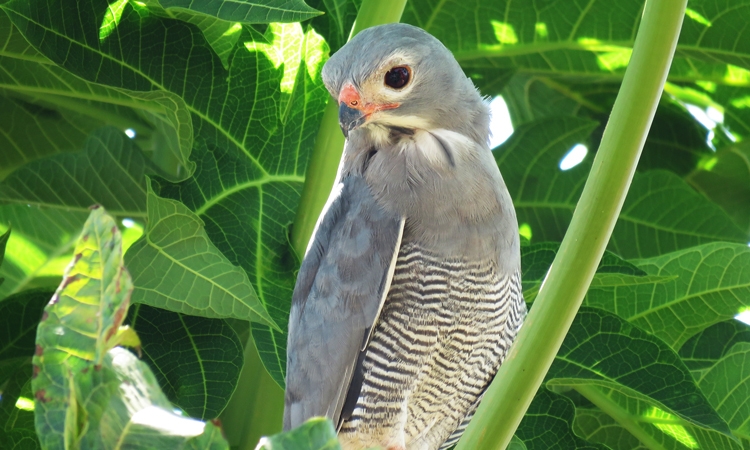
This is the short rains season — brief, refreshing showers that bring a flush of green across the park. Flowers bloom, migratory birds return, and animals rejoice in the renewed abundance.
The rains are usually short-lived and occur mostly in the late afternoons, leaving the mornings bright and clear. The air feels fresh, and the light softens, creating ideal conditions for photography.
Why visit now:
-
Beautiful balance between dry weather and green scenery.
-
Fewer tourists, offering a more intimate safari.
-
Increased bird activity and lush backdrops.
At Woodsly Adventures, we call this the “season of renewal.” It’s when Amboseli feels most alive — not crowded, but quietly abundant, perfect for those who want peace with beauty.
4. The Long Rains (March – May): Lush Landscapes and Fewer Crowds
The long rains are Amboseli’s most misunderstood season. Yes, the rains can be heavier, but they are also the reason the park stays so lush and thriving all year round.
Between March and May, Amboseli’s wetlands expand, the vegetation grows thick, and the entire ecosystem bursts into color. The landscape feels dreamlike — Kilimanjaro reflected in flooded plains, birds in vibrant breeding plumage, and newborn animals learning to walk in the tall grass.
It’s also the quietest time of year for visitors, which makes it one of the most rewarding. The rains fall mostly in the afternoons or evenings, leaving mornings often clear and fresh.
Why visit now:
-
Lush green landscapes and active wildlife.
-
Low visitor numbers mean exclusive experiences.
-
Special discounts and more flexible itineraries.
Woodsly Adventures tailors safaris during this season for those who want solitude and photography opportunities unlike any other. It’s Amboseli’s quiet beauty — a time for travelers who prefer discovery over crowds.
5. The Green Season (January – February): Between Calm and Color
After the short rains end, Amboseli enters one of its most visually stunning periods — the green season. The grasses remain vibrant, the air is clear, and wildlife is everywhere.
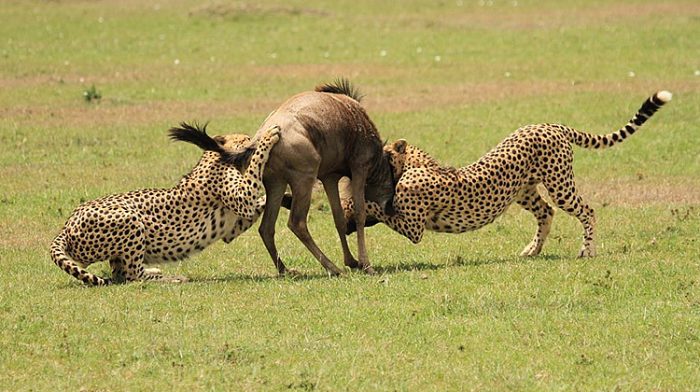
This is calving season for many herbivores, which means predator activity is high. Lions, cheetahs, and hyenas can often be seen hunting across open plains. For photographers, this mix of color, light, and life is a dream.
The weather is warm but pleasant, with minimal rain. Morning drives are ideal for seeing animals at their most active, while evenings are perfect for watching sunsets over Kilimanjaro’s glowing slopes.
Why visit now:
-
Rich wildlife interactions and predator sightings.
-
Clear skies for Kilimanjaro views.
-
Ideal time for photography and birdwatching.
This season represents the best of both worlds — the lush beauty of the rains without the unpredictability of weather.
6. Seasonal Wildlife Highlights – What You’ll See and When
| Season | Wildlife Highlights | Best Experiences |
|---|---|---|
| June – October (Dry) | Elephants, lions, zebras, wildebeest | Classic game drives, Kilimanjaro views |
| Nov – Dec (Short Rains) | Migratory birds, green plains | Birdwatching, photography, fewer tourists |
| Jan – Feb (Green Season) | Calving season, predators hunting | Action photography, predator-prey encounters |
| Mar – May (Long Rains) | Breeding birds, newborn wildlife | Quiet safaris, lush landscapes |
No matter the month, Amboseli offers an experience that feels wild, personal, and profoundly alive.
7. Photography Tips for Each Season
Dry Season: Go for early morning and late afternoon drives for golden light and dramatic shadows. Dusty backgrounds make wildlife pop against the horizon.
Short Rains: Use soft light after showers for landscape shots — reflections, rainbows, and fresh colors make this season a favorite for creative photographers.
Green Season: Capture predator action and calving scenes in the open plains. The contrast of vibrant grass against Kilimanjaro’s backdrop is unbeatable.
Long Rains: Perfect for wide, moody compositions — elephants wading in flooded grasslands, birds flying through mist, and reflections that mirror the sky.
Woodsly Adventures guides include photography professionals who help position you for the best angles and timing — ensuring every shot tells Amboseli’s story with authenticity and depth.
8. Pairing Amboseli with Other Kenyan Destinations
Each season in Amboseli connects beautifully with Kenya’s broader safari network. With Woodsly Adventures, travelers can build seamless itineraries that reflect the rhythm of the land.
-
Masai Mara Safari: Combine Amboseli’s elephants with the Great Migration drama — best from July to October.
-
Tsavo National Park Adventure: Explore Kenya’s wild, red-earth wilderness — ideal in the dry season.
-
Mombasa Beach Retreat: After the savannah, unwind on the Indian Ocean’s white beaches — beautiful year-round.
-
Wasini Island Marine Park Excursion: Go from wildlife to waves — snorkel with dolphins and explore coral gardens.
Each pairing tells a complete story — from the shadow of Kilimanjaro to the whisper of the ocean.
9. Why Woodsly Adventures Plans Each Safari by the Seasons
What sets Woodsly Adventures apart is timing. The team doesn’t just book safaris — they design them to align with nature’s own schedule.
Guides track animal movements, weather patterns, and local conditions to craft personalized itineraries that ensure you’re always in the right place at the right moment. Whether that’s elephants at sunrise, flamingos in the wetlands, or lions during golden hour, every experience is intentional.
Sustainability also drives this approach. By distributing tourism across all seasons, Woodsly Adventures helps reduce pressure on the park while supporting communities year-round.
10. Conclusion – Your Perfect Amboseli Moment
There’s no single “best time” to visit Amboseli — there’s only your time. The moment when you connect with the land, the animals, and yourself.
Maybe it’s during the dry season, when elephants march through dust clouds beneath Kilimanjaro’s blue sky. Maybe it’s after the rain, when the air smells of renewal and the wetlands shimmer like mirrors.
Amboseli changes with every season — and that’s its greatest gift. It reminds us that beauty doesn’t stand still; it evolves.
With Woodsly Adventures, you’ll experience Amboseli not as a checklist, but as a living story — crafted around the rhythm of the wild.
Book your Amboseli Elephant Safari today, and let Woodsly Adventures help you find your perfect moment beneath Africa’s most iconic mountain.