There are few places in the world where every frame feels alive, where every breath of wind seems to carry light and movement. Amboseli National Park is one of those places. Beneath the towering presence of Mount Kilimanjaro, the plains of Amboseli pulse with life — elephants, zebras, giraffes, and lions moving across a landscape painted by sunlight and shadow.
For photographers, this is not just a destination; it’s a dream. Amboseli offers an ever-changing stage of color, rhythm, and raw emotion. From the soft glow of dawn to the fiery sunset and the stillness of night, every moment tells a story.
Whether you’re a seasoned photographer or an enthusiastic traveler armed with a camera, Woodsly Adventures ensures you experience Amboseli through the lens — not just seeing it, but capturing its soul.
Table of Contents
-
Why Amboseli Is a Photographer’s Paradise
-
Understanding Light – Morning, Noon, and Golden Hour
-
The Iconic Frame – Elephants Beneath Kilimanjaro
-
Motion and Stillness – Capturing Animal Behavior
-
The Drama of Dust and Distance
-
Best Spots for Amboseli Photography
-
Tips for Perfect Safari Shots
-
Working with Woodsly Adventures’ Photography Guides
-
Beyond Amboseli – Linking the Perfect Kenyan Photo Circuit
-
Conclusion – Turning Moments into Memories
1. Why Amboseli Is a Photographer’s Paradise
Amboseli is a canvas painted with contrasts. Its open plains, reflective marshes, and acacia woodlands form the perfect backdrop for Kenya’s most photogenic wildlife. But what truly makes Amboseli unique is Mount Kilimanjaro — the world’s tallest free-standing mountain rising dramatically above the savannah.
Nowhere else can photographers frame elephants against a snow-capped peak while flamingos wade in the foreground. The interplay between the earth’s vastness and the delicate details of life below creates endless opportunities for artistry.
Unlike denser parks such as the Masai Mara, Amboseli’s openness allows uninterrupted views and uncluttered compositions. Every subject stands clearly against the horizon, every beam of light finds its mark.
For anyone passionate about capturing Africa’s wild beauty, Amboseli is a masterclass in natural photography.
2. Understanding Light – Morning, Noon, and Golden Hour
Light is the heartbeat of Amboseli photography. It changes constantly, reshaping the park’s mood and color throughout the day.
-
Morning Light: Soft, golden, and ethereal. The early hours after sunrise offer the most flattering conditions. Elephants emerge from the mist, and Kilimanjaro’s snowcap glows pink. Dust particles scatter the light beautifully, creating gentle halos around animals.
-
Midday Light: Harsh but dramatic. This is the time for capturing contrasts — the intense blue of the sky, the white peaks of Kilimanjaro, and the deep reds of Amboseli’s earth. With patience and the right angles, even midday can yield powerful images.
-
Golden Hour: As the sun lowers, the plains are bathed in amber. Long shadows stretch across the grass, birds return to roost, and the world feels calm. This is when Amboseli feels most alive for photographers.
The guides at Woodsly Adventures time every game drive around these natural rhythms, ensuring travelers never miss the park’s most photogenic hours.
3. The Iconic Frame – Elephants Beneath Kilimanjaro
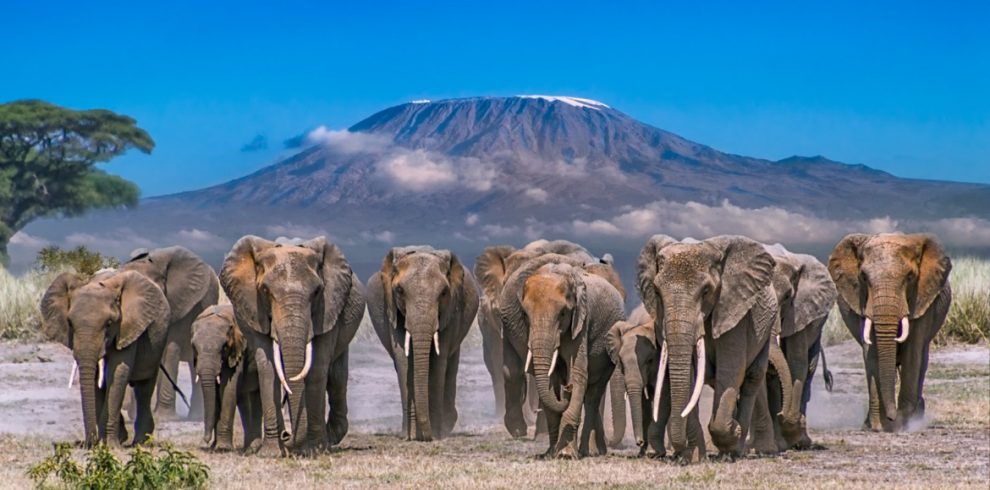
No image defines Amboseli more than elephants walking across its plains with Mount Kilimanjaro standing behind them. It’s the scene every traveler dreams of — a perfect blend of majesty, power, and peace.
These elephants are among the largest in Africa, their tusks gleaming in the morning sun. Watching them move in slow formation across the open land feels like witnessing an ancient procession.
Photographers often line up their shots near the Enkongo Narok Swamp, where herds gather to drink. Early mornings and late afternoons provide the best visibility for Kilimanjaro’s peak. A low-angle composition emphasizing the elephants’ scale against the sky captures Amboseli’s essence in one breathtaking frame.
Through Woodsly Adventures’ Amboseli Elephant Safari, travelers can experience this iconic scene firsthand, guided to the park’s best vantage points by expert safari photographers.
4. Motion and Stillness – Capturing Animal Behavior
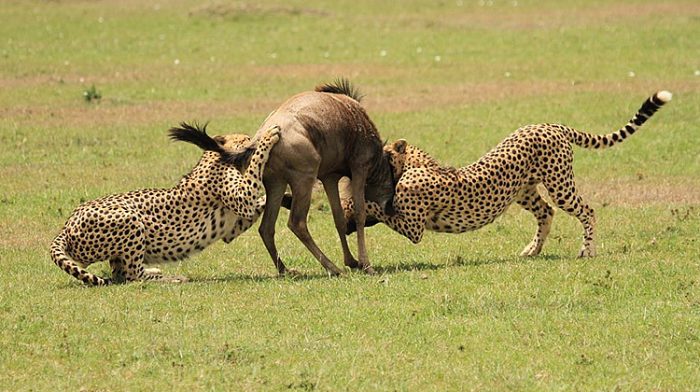
Amboseli’s beauty lies not just in its landscapes but in the moments that unfold within them. A dust-covered elephant shaking its ears, a zebra kicking playfully, a lion stretching in the shade — these gestures bring emotion to your images.
To capture motion effectively:
-
Use shutter speeds of 1/1000s or higher for running animals.
-
Experiment with panning at slower speeds (1/60–1/125s) to convey movement against a blurred background.
-
Focus on behavior, not just presence — look for interaction between species, play among calves, or tension in a predator’s stance.
Amboseli is alive with stories waiting to be told, and the guides at Woodsly Adventures know how to read the rhythms of the wild so you can be ready when that story unfolds.
5. The Drama of Dust and Distance
One of Amboseli’s secret photographic advantages is its dust. When herds move, they kick up clouds that filter sunlight into rich, cinematic tones. The effect can turn a simple herd shot into a masterpiece.
In the dry season, when the ground is parched, these dusty scenes become iconic. The haze adds layers of depth, and the glowing outlines around animals enhance contrast naturally.
Using a slightly underexposed setting helps retain detail in bright light, while long lenses (200mm–400mm) allow you to isolate subjects across open terrain. The result is pure Africa — timeless, raw, and beautiful.
6. Best Spots for Amboseli Photography
Every corner of Amboseli offers a new perspective. Yet, a few spots consistently reward photographers:
-
Observation Hill: Offers panoramic views of the plains and Kilimanjaro. Ideal for sunrise shots and sweeping landscape frames.
-
Ol Tukai and Enkongo Narok Swamps: Perfect for capturing reflections of elephants and hippos in the water.
-
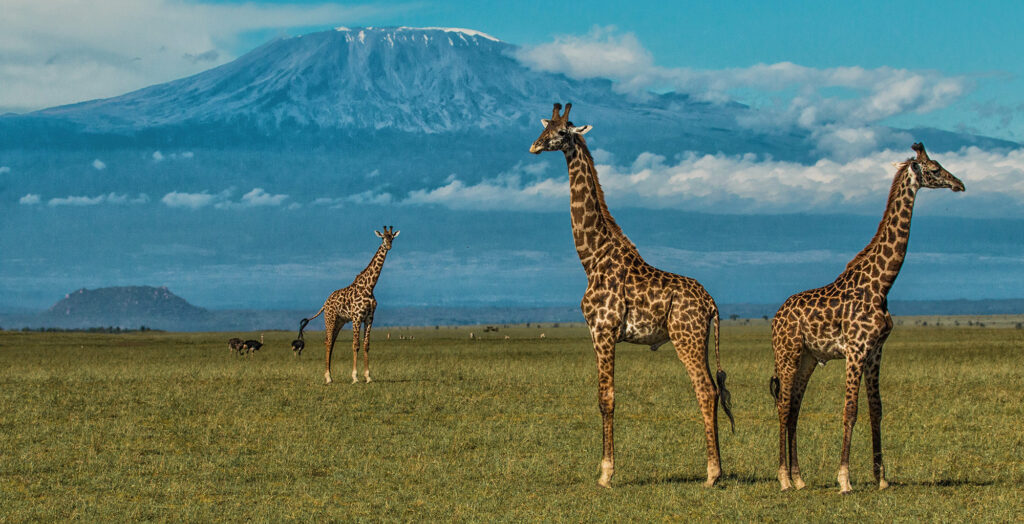
Acacia Woodland: Dramatic lighting and opportunities for portraits of giraffes, buffalo, and birds.
-
Southern Marshes: Fewer vehicles, more tranquility — great for wide-angle storytelling shots.
Guides from Woodsly Adventures tailor each drive to the time of day and your creative goals, ensuring no light or angle goes to waste.
7. Tips for Perfect Safari Shots
Photographing in the wild requires patience, adaptability, and respect for nature. Here are a few key lessons every Amboseli photographer learns:
-
Stay Ready: Wildlife moves quickly. Keep your camera on continuous shooting mode and use back-button focus for flexibility.
-
Tell a Story: Don’t just collect portraits. Include context — dust, horizon, vegetation, or even safari vehicles for scale.
-
Use Natural Frames: Acacia branches, termite mounds, or distant hills add structure to your composition.
-
Mind the Eyes: Sharp eyes draw viewers into the image. Always focus there when possible.
Woodsly Adventures encourages guests to photograph responsibly — keeping distance, minimizing noise, and never disrupting the animals’ natural rhythm.
8. Working with Woodsly Adventures’ Photography Guides
What separates an ordinary safari from a photography safari is the guide. The expert team at Woodsly Adventures understands light, animal behavior, and the creative instincts of photographers.
They anticipate where the herds will move, adjust positioning for the best angles, and allow extra time for setting up shots. Whether you’re shooting with a professional DSLR or a smartphone, their experience helps you find beauty in every frame.
For photography groups, Woodsly Adventures offers private vehicles equipped with open roofs, bean bags for camera stability, and extended drive times to chase the perfect light.
Their goal is not just to show you Amboseli — but to help you capture it as art.
9. Beyond Amboseli – Linking the Perfect Kenyan Photo Circuit
Amboseli may be your muse, but it’s just one chapter in Kenya’s grand photographic story. Woodsly Adventures crafts seamless itineraries that connect the country’s most stunning photo locations:
-
Tsavo National Park Adventure: Capture red-dusted elephants and dramatic escarpments in Kenya’s largest park.
-
Masai Mara Safari: Experience the Great Migration and river crossings — the most dynamic wildlife action on earth.
-
Mombasa Beach Retreat: Transition from savannah to sea, capturing palm-fringed shores and Indian Ocean sunsets.
-
Wasini Island Marine Park Excursion: Underwater photography paradise with dolphins and coral reefs.
Each destination adds another layer of color and life to your portfolio — a complete journey through Kenya’s heart, crafted by experts who know how to turn travel into story.
10. Conclusion – Turning Moments into Memories
Photography in Amboseli is not just about technique; it’s about emotion. The way the light touches an elephant’s skin, the silence before dawn, the laughter of Maasai children near the marshes — these are the images that stay long after the trip ends.
Amboseli moves. It breathes. It invites you to slow down, to see, to feel. And through your lens, you carry those moments forward — transforming fleeting seconds into timeless memories.
Travel with Woodsly Adventures and discover Kenya in motion — through color, through light, and through life itself.
Book your Amboseli Elephant Safari today, and let every click of your camera become part of a story written under Africa’s endless sky.