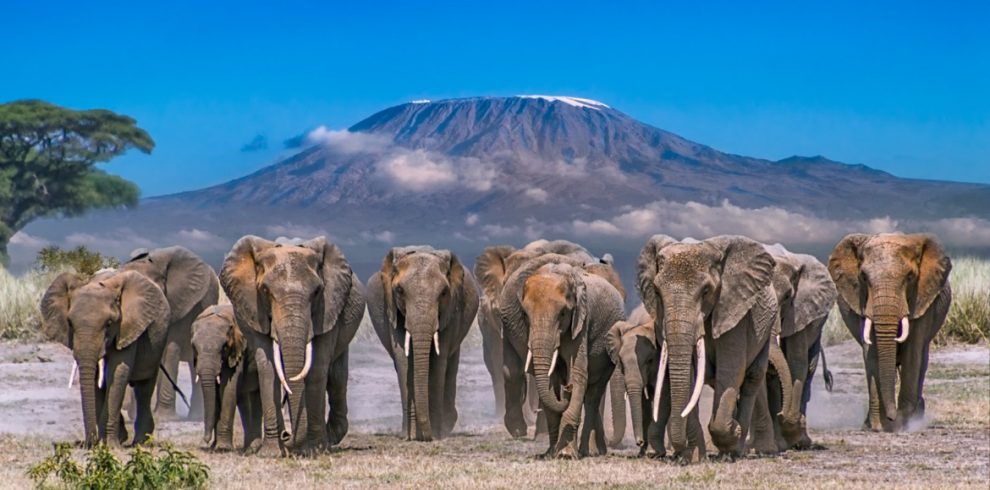
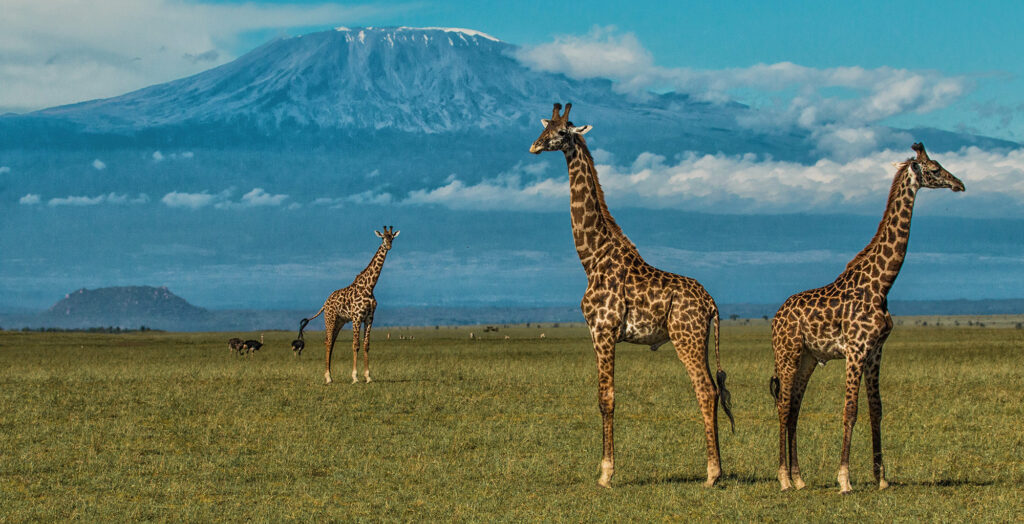
In the heart of Kenya lies Amboseli National Park, a haven for wildlife enthusiasts. Among its many treasures, the park is most famous for its magnificent elephants, known as the Amboseli Giants. These iconic creatures play a pivotal role in the ecosystem and attract researchers and tourists alike. This article delves into their lives and the conservation efforts surrounding them.
Understanding the Amboseli Giants
Understanding the Amboseli Giants: Amboseli National Park, located in Kenya, is renowned for its large population of African bush elephants. Known as the Amboseli Giants, these elephants are among the most studied in the world. Cynthia Moss, a distinguished conservationist, has dedicated decades to researching their behavior, social organization, and demography. This chapter explores the physical characteristics of these elephants, their social structures, and their role in the park’s ecosystem. Discuss how these elephants have adapted to the semiarid environment of Amboseli, including the seasonal patterns they follow and the challenges they face, such as water scarcity and human-wildlife conflict. Highlight the mutual relationship between the elephants and the local Maasai people, emphasizing traditional practices that support coexistence.
Conservation Efforts and Research
The conservation efforts in the Amboseli National Park have been pivotal in safeguarding the future of Africa’s elephants, particularly the Amboseli Giants. Directed by Cynthia Moss, the Amboseli Elephant Research Project has been at the forefront of these efforts, accumulating invaluable data over several decades. This chapter delves into the intricate relationship between research, conservation, and the challenges faced by elephants in their natural habitat.
The establishment of the Amboseli Elephant Research Project marked a significant milestone in understanding elephant population dynamics. It brought to light the nuanced behaviors and intricate social structures of these magnificent creatures, epitomized by Echo, one of the most studied elephants in the world. Echo’s life and her family’s documented experiences have provided insights into the familial bonds, leadership roles, and survival strategies of elephants, informing conservation strategies not just in Amboseli, but globally.
The scientific studies spearheaded by the project have been instrumental in understanding the impact of external threats like poaching and habitat destruction on elephants. Through rigorous monitoring and data collection, patterns of movement, birth rates, and mortality have been analyzed to develop more targeted conservation practices. This research has not only highlighted the direct threats to elephant populations but has also underscored the implications of climate change and human expansion on their natural habitats.
Crucially, the conservation efforts in Amboseli have underscored the importance of community involvement. The local Maasai communities have been integral to the success of these efforts, showcasing a model of coexistence and mutual benefit. Through education and engagement initiatives, these communities have become stewards of wildlife conservation, demonstrating the crucial role indigenous knowledge and participation play in environmental conservation.
These concerted efforts in Amboseli have had a ripple effect, influencing global conservation policies. The lessons learned from Echo and her family, alongside the comprehensive research undertaken by the Amboseli Elephant Research Project, have contributed to a richer understanding of elephant conservation. These insights have been pivotal in shaping both national and international wildlife management strategies, ensuring that elephants continue to thrive in their natural habitats.
As the chapter transitions into discussing the economic implications of these majestic creatures in the following section on “Tourism and Economic Impact,” it’s clear that the conservation efforts have not only been about saving an iconic species but also about ensuring the wellbeing of local communities and the sustainability of their environments. The balance between protecting these majestic animals and supporting human livelihoods presents a continuing challenge, one that requires ongoing research, community engagement, and innovative conservation strategies.
Tourism and Economic Impact
Building on the foundation of conservation efforts detailed in the previous chapter, the presence of the Amboseli Giants in Amboseli National Park significantly bolsters tourism, an indispensable component of Kenya’s economy. The allure of observing these magnificent elephants in their natural environment draws visitors globally, creating a sustainable revenue stream that profoundly impacts the local communities and the overarching mission of conservation.
The financial inflow from tourism aids in the multifaceted approach to elephant conservation, ensuring that the habitats of the Amboseli Giants are preserved and that anti-poaching patrols are adequately funded. This economic support extends to the local communities, providing a livelihood through employment opportunities in the tourism sector, ranging from lodgings around the parks to guided safari tours. These jobs not only alleviate poverty but also empower the community, fostering a harmonious relationship between humans and wildlife.
The park offers a plethora of experiences to visitors, including guided safaris that enable close encounters with the elephants and educational programs stressing the importance of sustainable tourism practices. These initiatives serve dual purposes: they enrich the visitor experience and underline the critical role tourists play in conservation efforts by adhering to guidelines that minimize disturbance to the natural behaviors of the elephants.
Furthermore, the emphasis on sustainable tourism seeks to establish a balance, ensuring that while visitors have the opportunity to witness the grandeur of the Amboseli Giants, their presence does not disrupt the delicate ecological dynamics within the park. This approach is vital in maintaining the integrity of the habitat and the well-being of the elephants, fostering an environment where tourism can coexist with conservation.
Beyond the immediate benefits to conservation and local employment, the influx of visitors catalyzes broader socio-economic development within the region. Infrastructure improvements, from roads to lodgings, not only enhance the visitor experience but also improve the quality of life for the local communities. The success of Amboseli National Park as a tourist destination underscores the indispensable role of these majestic elephants in forging sustainable economic pathways that benefit humans and wildlife alike. This symbiosis between conservation and tourism, underpinned by the iconic Amboseli Giants, exemplifies a model of coexistence that preserves the natural heritage for future generations while fostering economic prosperity.
Conclusions
The Amboseli Giants are not just majestic creatures but are vital to both the ecology of the park and the local economy. Through dedicated research and conservation efforts, these elephants have become symbols of wildlife preservation. Sustainable tourism and community involvement are crucial to ensure their future. Protecting such significant animals is paramount for ecological balance and cultural heritage preservation.