Few places on earth inspire photographers quite like Amboseli National Park. With Mount Kilimanjaro rising in the distance, vast open plains dotted with acacia trees, and elephants that seem to pose for the camera, Amboseli is a dream come true for anyone with a passion for photography.
Here, every sunrise paints the landscape in gold, every shadow holds a story, and every frame captures not just wildlife — but emotion.
For travelers joining Woodsly Adventures, Amboseli is more than a destination; it’s an open-air studio, alive with light, texture, and movement. Whether you’re a seasoned professional or a curious beginner, this is where your lens meets the wild in its purest form.
Table of Contents
-
Why Amboseli Is a Photographer’s Paradise
-
The Kilimanjaro Backdrop – Nature’s Grand Composition
-
The Golden Hours – Light and Timing in Amboseli
-
Capturing Elephants – The Soul of Amboseli in Focus
-
Birds, Landscapes, and Details – Expanding the Frame
-
Essential Photography Tips for Amboseli Safari-Goers
-
The Role of Weather and Atmosphere in Your Shots
-
How Woodsly Adventures Designs the Perfect Photo Safari
-
Combining Amboseli with Other Photographic Destinations in Kenya
-
Conclusion – Frame the Memory, Keep the Moment
1. Why Amboseli Is a Photographer’s Paradise
Amboseli’s charm lies in its balance of simplicity and grandeur. The open terrain allows unobstructed views, while the diversity of habitats — swamps, dry lakebeds, and grassy plains — gives endless creative possibilities.
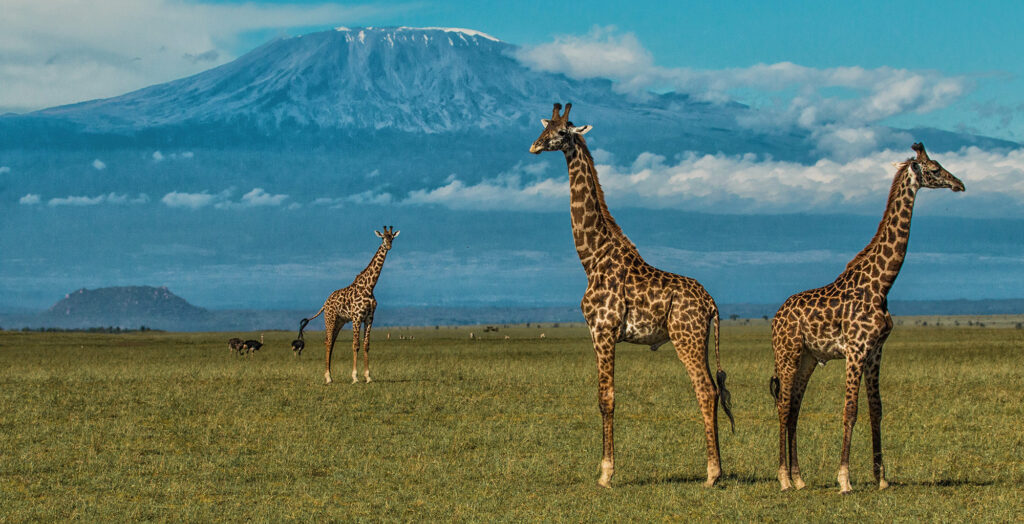
Wildlife is abundant and visible. Herds of elephants walk in long lines across the plains, giraffes stretch their necks against the horizon, and zebras graze beneath scattered clouds. In every direction, there’s motion and story.
The park’s compact size means you can cover multiple ecosystems in a single game drive. This gives photographers the chance to experiment with composition, lighting, and depth — all within a few kilometers.
When you travel with Woodsly Adventures, your guides understand the photographer’s mindset. They anticipate the light, position the vehicle perfectly, and allow time for patience — because great photography, like nature, never rushes.
2. The Kilimanjaro Backdrop – Nature’s Grand Composition
Mount Kilimanjaro is Amboseli’s signature. Rising more than 5,800 meters above sea level, it towers over the plains with silent majesty, its snowcapped peak glowing pink and gold at dawn.
For photographers, Kilimanjaro is more than a background — it’s a storytelling element. It gives context to wildlife shots, adds scale and grandeur, and embodies Africa’s timeless spirit.
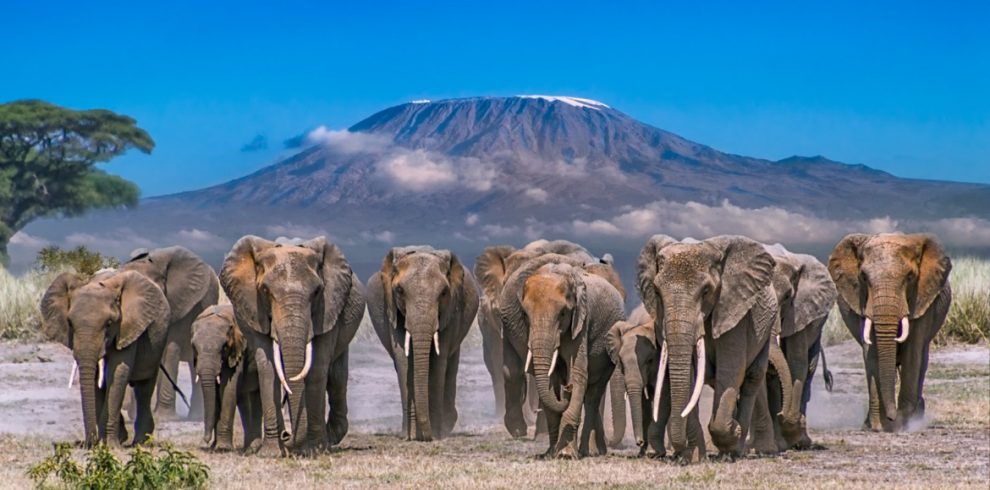
The best hours to photograph the mountain are early morning and late afternoon, before clouds roll in. Woodsly Adventures schedules its routes accordingly, ensuring you capture that perfect moment — elephants moving across the dust, Kilimanjaro rising behind them, and sunlight bathing the entire scene in warmth.
It’s a shot that defines Amboseli — and one that photographers around the world dream of taking.
3. The Golden Hours – Light and Timing in Amboseli
In Amboseli, light is everything. The landscape transforms with every minute of the day, offering unique moods and tones for different styles of photography.
-
Morning Light (6:00–8:30 a.m.): Soft, golden, and crisp — ideal for capturing elephants, lions, and the reflection of Kilimanjaro in shallow waters.
-
Midday: Harsh but powerful for black-and-white compositions that emphasize contrast and texture.
-
Evening Light (4:30–6:30 p.m.): Warm, glowing, and cinematic — perfect for silhouettes, sunsets, and golden dust.
Woodsly Adventures guides are trained to time sightings perfectly, positioning you to make the most of each light condition. Whether it’s the golden haze after a herd passes or the shimmer of the wetlands under the fading sun, every moment becomes a frame waiting to be captured.
4. Capturing Elephants – The Soul of Amboseli in Focus
No photograph captures Amboseli’s essence better than one of its elephants. These gentle giants dominate the landscape, moving with a quiet confidence that demands attention and respect.
Photographing elephants is both an art and an emotional experience. Their size, texture, and expressions tell stories of intelligence and family bonds. To capture them authentically, you must observe patiently. Notice the subtle gestures — the way a mother shields her calf, or how a bull lifts its trunk to test the wind.
Woodsly Adventures’ Amboseli Elephant Safari is designed for these intimate moments. Guides know the movement patterns of the herds and how to approach them safely and respectfully. You’ll have time to frame each shot, waiting for the perfect interplay of light, dust, and emotion.
Pro Tip: Use a longer lens (200–400 mm) for portraits and a wider lens (24–70 mm) for herd compositions with Kilimanjaro in the background.
5. Birds, Landscapes, and Details – Expanding the Frame
While elephants may steal the show, Amboseli offers countless other subjects for a creative photographer.
-
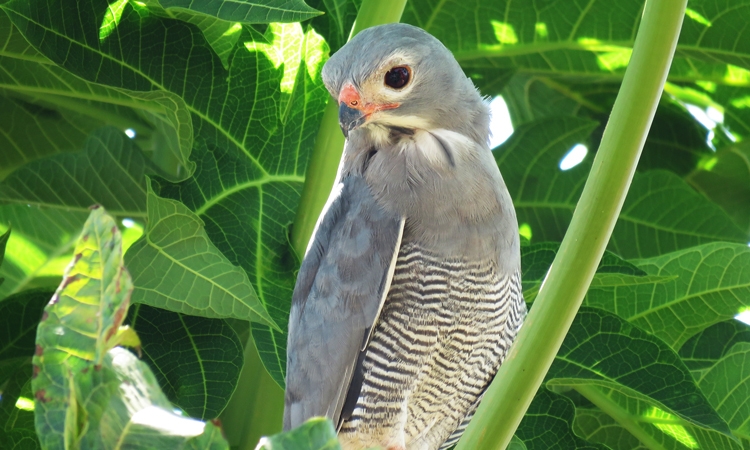
Birdlife: Over 400 species fill the skies and swamps. Flamingos, pelicans, and crowned cranes offer bursts of color and motion.
-
Landscapes: Amboseli’s dry lakebeds, like Lake Amboseli itself, create minimalist compositions — cracked earth stretching toward a glowing horizon.
-
Textures and Details: The mud-smeared skin of elephants, the ripples in the swamp, or the pattern of zebra stripes — every detail tells a story.
A good photographer in Amboseli learns to look beyond the obvious. Sometimes, the most powerful image isn’t of an entire herd but of a single moment — the flick of a tail, the ripple of dust, or the reflection of Kilimanjaro in a shallow pool.
6. Essential Photography Tips for Amboseli Safari-Goers
To make the most of your photography safari in Amboseli, keep these tips in mind:
-
Use the Golden Hour: Plan key shots for sunrise and sunset when colors are rich and contrasts soft.
-
Respect Distance: Never pressure wildlife for a closer shot — the best photos come from calm observation.
-
Carry Two Lenses: One telephoto for wildlife and one wide-angle for landscapes.
-
Mind the Dust: Amboseli is dry — protect your gear with covers or zip bags between shots.
-
Experiment with Silhouettes: The combination of flat plains and strong light is perfect for artistic framing.
-
Tell a Story: Don’t just shoot; think narrative. A sequence showing elephants crossing the swamp or Maasai herders near the horizon adds depth to your album.
When you travel with Woodsly Adventures, your guide becomes your photography partner — helping you anticipate moments, understand animal behavior, and find the perfect angle.
7. The Role of Weather and Atmosphere in Your Shots
Amboseli’s atmosphere changes quickly, and for photographers, that’s a gift.
After rains, the swamps gleam with reflections. During the dry months, dust rises like mist, diffusing the sunlight and creating an ethereal golden glow. Even overcast skies bring drama, enhancing contrast and mood.
Kilimanjaro, too, has its own rhythm. Some mornings the summit is clear and crisp; other days it hides behind clouds until late afternoon. The unpredictability is part of Amboseli’s allure — no two frames are ever the same.
Woodsly Adventures helps you adapt to these changing conditions. Whether it’s a sunrise drive through mist or an evening shoot with backlit elephants, the guides make sure you’re always in the right place at the right time.
8. How Woodsly Adventures Designs the Perfect Photo Safari
Not all safaris are created equal — especially for photographers. Woodsly Adventures crafts each itinerary with precision, focusing on timing, positioning, and pacing.
Their vehicles are modified for photography — open roofs, low noise engines, and 360° visibility. Guides are trained to read light and behavior, giving photographers the time and angles they need without rush.
Unlike typical tours, Woodsly Adventures prioritizes moments over miles. If a herd of elephants provides the perfect light, you can stay as long as you wish. This flexibility transforms an ordinary safari into a masterclass in visual storytelling.
And because their team understands the connection between landscapes, they can also plan multi-park photo safaris — combining Amboseli’s light with the raw drama of Tsavo National Park Adventure and the rolling savannahs of Masai Mara Safari.
9. Combining Amboseli with Other Photographic Destinations in Kenya
To build a complete visual story of Kenya, Amboseli is the perfect starting point. Its intimacy contrasts beautifully with the vastness of other parks.
-
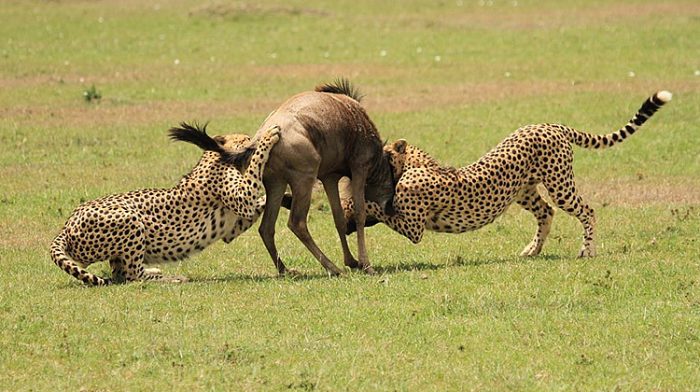
Masai Mara Safari: Capture the Great Migration — thundering herds, predators, and endless grasslands.
-
Tsavo National Park Adventure: Photograph red elephants and rugged terrain in dramatic light.
-
Mombasa Beach Retreat: Shift from savannah to sea with sunrise shots along the Indian Ocean.
-
Wasini Island Marine Park Excursion: Explore marine photography — coral reefs, dolphins, and crystal-clear water.
Each destination offers different light, mood, and story — and together they create a portfolio that captures the soul of Kenya.
10. Conclusion – Frame the Memory, Keep the Moment
Photography in Amboseli is not just about images — it’s about emotion. It’s about that quiet second when the morning sun touches the plains, when elephants march in perfect rhythm, and when Kilimanjaro rises in silence behind them.
Those are the moments that stay with you, long after the shutter closes.
With Woodsly Adventures, every photo safari becomes a journey of vision and heart. Guided by professionals who understand both the art and the ethics of wildlife photography, you’ll capture Kenya not as a tourist — but as a storyteller.
Book your Amboseli Elephant Safari today and discover how light, life, and landscape come together in perfect harmony under the shadow of Kilimanjaro.