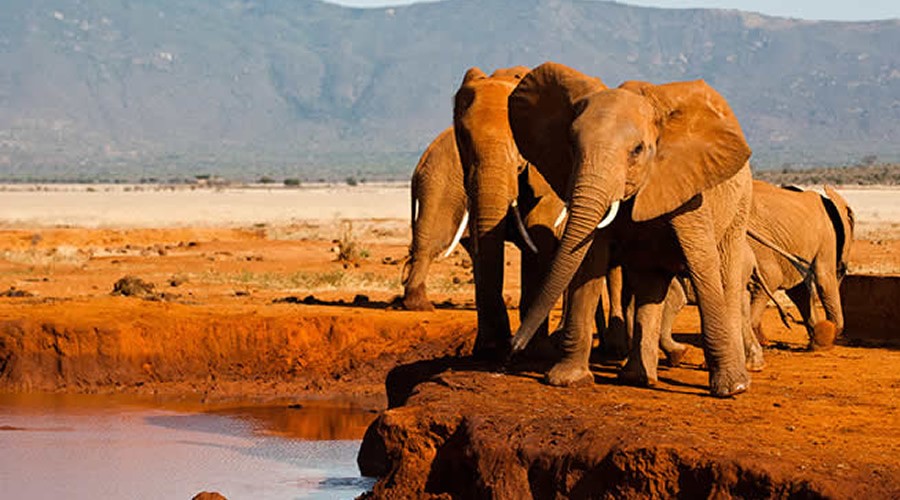
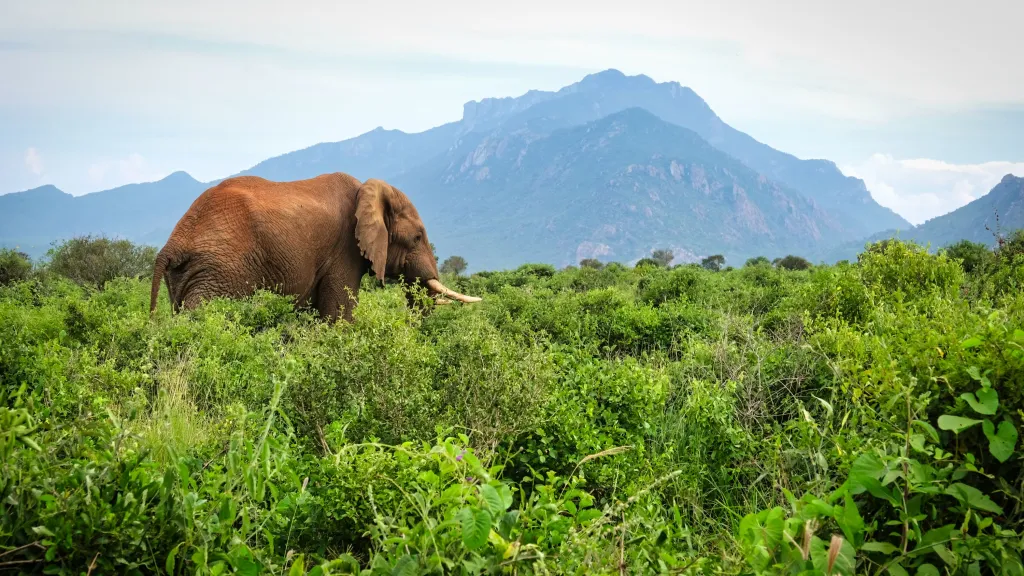
There’s a reason Tsavo has inspired photographers for generations. The park’s immense scale, its red-dusted elephants, endless horizons, and the ever-changing light create a canvas unlike any other. Every sunrise ignites the savannah in gold, every sunset bleeds into crimson, and between those hours, life unfolds in its rawest form.
Whether you’re a professional wildlife photographer or a traveler capturing moments on your first safari, Tsavo National Park offers everything you need to create breathtaking imagery. And with Woodsly Adventures, your Tsavo National Park Adventure becomes more than a trip — it becomes your story told in light and motion.
Table of Contents
-
Why Tsavo Is a Photographer’s Paradise
-
The Unique Colors and Light of Tsavo
-
Best Photography Locations in Tsavo East
-
Best Photography Locations in Tsavo West
-
Wildlife Photography Opportunities
-
Landscape and Aerial Photography
-
Capturing Tsavo’s Birds
-
Essential Photography Tips for the African Safari
-
The Golden Hours – Mastering Light in Tsavo
-
Ethical Photography and Respect for Wildlife
-
Combining Photography with Other Destinations
-
Why Book a Photography Safari with Woodsly Adventures
-
Final Thoughts – The Frame That Lasts Forever
1. Why Tsavo Is a Photographer’s Paradise
Tsavo’s beauty lies in its vastness. At over 20,000 square kilometers, it’s one of Africa’s largest wildlife parks — and one of its most photogenic.
What makes Tsavo so unique for photographers is how quickly the environment changes. One moment, you’re surrounded by golden savannahs dotted with elephants; the next, you’re driving through volcanic plains or misty hills.
Highlights for photographers:
-
Extraordinary diversity of landscapes and wildlife.
-
Low visitor density for uninterrupted shots.
-
Consistent natural light and open spaces.
-
Unique red-toned soil that creates dramatic contrasts.
Every corner of Tsavo offers a different mood — and every shot captures something timeless.
2. The Unique Colors and Light of Tsavo
If light is the soul of photography, Tsavo is its playground.
The park’s signature red earth reflects sunlight differently depending on the time of day. Morning light glows with soft warmth, perfect for portraits of elephants dusted in crimson hues. By afternoon, the plains shimmer in amber tones. And as evening falls, the sunsets explode into colors no filter can replicate.
Photographers who travel with Woodsly Adventures often describe Tsavo’s light as “alive” — unpredictable, challenging, but endlessly rewarding. The guides know the park’s angles, shadows, and best times for each location, ensuring that no frame is wasted.
3. Best Photography Locations in Tsavo East
Tsavo East is defined by its open landscapes and vivid contrasts.
Top photo spots include:
1. Aruba Dam:
A magnet for elephants, buffalo, and predators. Perfect for wide-angle compositions at sunrise and sunset.
2. Galana River:
A lush corridor cutting through dry plains — great for reflections, crocodile shots, and dramatic light play.
3. Yatta Plateau:
The world’s longest lava flow, ideal for landscape panoramas.
4. Mudanda Rock:
A towering rock outcrop with sweeping views and frequent wildlife gatherings at the nearby waterhole.
In Tsavo East, you’ll find your best opportunities for classic wildlife portraits and clean, minimalist compositions where animals and horizon share the same frame.
4. Best Photography Locations in Tsavo West
Tsavo West offers more variation — its rugged hills, volcanic rock, and greener vegetation make for strikingly different images.
Top photo spots include:
1. Mzima Springs:
Capture crystal-clear water, hippos underwater, and lush vegetation — a serene counterpoint to Tsavo’s arid plains.
2. Shetani Lava Flow:
Dark volcanic rock meets golden grass — perfect for black-and-gold contrasts in mid-morning or late afternoon light.
3. Chyulu Hills and Kilimanjaro Views:
Early mornings often reveal Mount Kilimanjaro in the distance, making this a dream setting for landscape photographers.
4. Ngulia Rhino Sanctuary:
A rare chance to photograph black rhinos safely, with expert guidance from rangers and your Woodsly Adventures guide.
5. Wildlife Photography Opportunities
Tsavo is home to the Big Five — elephants, lions, leopards, buffalo, and rhinos — but what makes it extraordinary is its variety of moments beyond the icons.
Photographers can capture:
-
Red elephants dusting themselves in iron soil.
-
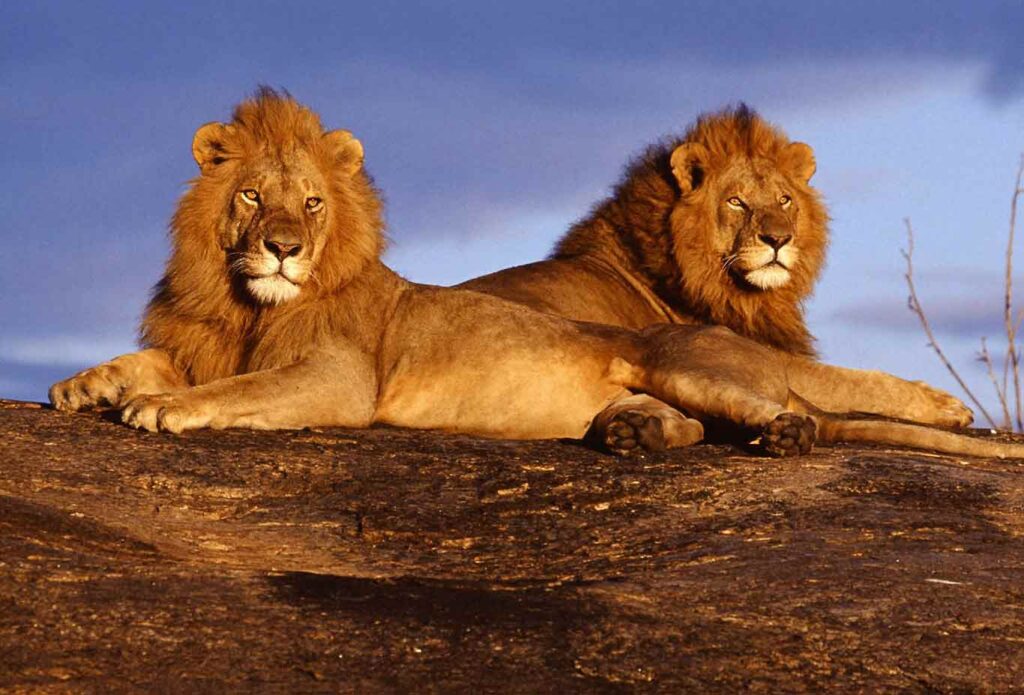
Lions stalking prey in golden grass.
-
Giraffes walking through dusty sunsets.
-
Cheetahs scanning the plains from termite mounds.
-
Zebras and antelopes forming graphic patterns across the savannah.
Patience rewards photographers here. Tsavo’s scale means you won’t always find animals instantly, but when you do, the composition feels entirely yours. There are no crowds, no rush — only the rhythm of nature and the quiet click of your shutter.
6. Landscape and Aerial Photography
The landscapes of Tsavo are as breathtaking as its animals. The vast plains, winding rivers, and ancient lava flows make for endless inspiration.
For landscape photographers:
-
Use early mornings for misty, moody images.
-
Capture the scale by including a single animal or acacia tree in frame.
-
Experiment with drone photography (available with park permits).
Woodsly Adventures arranges special photography safaris with access to elevated viewpoints and charter flights for aerial shots — allowing photographers to see Tsavo’s expanse from above, where rivers, plateaus, and herds form patterns of light and shadow.
7. Capturing Tsavo’s Birds
For bird photographers, Tsavo is paradise. With over 500 recorded species, it’s one of Kenya’s richest birding regions.
From lilac-breasted rollers and hornbills to secretary birds and kingfishers, every corner holds a flash of color or movement worth capturing.
Best birding spots:
-
Mzima Springs (Tsavo West)
-
Aruba Dam (Tsavo East)
-
Lake Jipe and Ngulia Hills (Tsavo West)
Between October and April, migratory birds arrive, offering even more variety for close-up and flight photography.
8. Essential Photography Tips for the African Safari
1. Gear Selection:
Bring two camera bodies if possible — one with a telephoto lens (200–600mm) and another with a wide or mid-range zoom for landscapes.
2. Golden Hour Advantage:
Plan all key shoots around sunrise and sunset. Woodsly Adventures guides know exactly when to position you for the best angles.
3. Stay Ready:
Wildlife appears suddenly — keep your camera settings adjusted for action.
4. Composition Matters:
Include elements like trees, dust, or sky to tell a story beyond just the animal.
5. Respect Distance:
Never pressure your driver to move too close. Natural behavior makes the best photos.
9. The Golden Hours – Mastering Light in Tsavo
Light transforms Tsavo from beautiful to transcendent.
-
Morning light: Soft, warm, and clean — ideal for portraits and silhouettes.
-
Midday light: Harsh but great for contrast-based black-and-white shots.
-
Evening light: Dramatic and golden, casting long shadows across the plains.
During the dry season, dust particles in the air intensify the sunsets — a photographer’s dream. Guides from Woodsly Adventures often position vehicles downwind from elephants to capture those stunning red dust clouds backlit by the setting sun.
10. Ethical Photography and Respect for Wildlife
A good photographer respects the subject. Tsavo’s animals are wild and free — and they deserve to stay that way.
Key principles:
-
Never bait or call animals for photos.
-
Avoid flash during night drives or near animals.
-
Keep quiet and minimize movement during sightings.
-
Support lodges and tour operators, like Woodsly Adventures, who follow ethical wildlife practices.
Responsible photography ensures both the safety of the animals and the authenticity of your images.
11. Combining Photography with Other Destinations
For photographers looking to diversify their portfolio, Woodsly Adventures offers seamless connections to other iconic Kenyan locations.
Recommended combinations:
-
Amboseli National Park: Capture elephants with Mount Kilimanjaro in the background through the Amboseli Elephant Safari.
-
Masai Mara: Add predator action and the Great Migration.
-
Wasini Island Marine Park: Combine wildlife and ocean photography through the Wasini Island Marine Park Excursion.
-
Mombasa Beach Retreat: End your journey with coastal landscapes and Swahili culture — explore the Mombasa Beach Retreat.
These multi-destination packages allow photographers to create diverse and visually rich portfolios while traveling effortlessly between regions.
12. Why Book a Photography Safari with Woodsly Adventures
Photography safaris require precision, timing, and an operator who understands light, wildlife, and patience. Woodsly Adventures excels in this balance.
Why photographers trust Woodsly Adventures:
-
Guides trained in photo positioning and light awareness.
-
Private vehicles for flexibility during shoots.
-
Early access to park gates for morning light opportunities.
-
Battery and equipment support at lodges.
-
Custom itineraries tailored to photographers’ goals.
Whether you’re building a professional portfolio or capturing your first safari shot, Woodsly Adventures ensures your experience is smooth, respectful, and visually unforgettable.
13. Final Thoughts – The Frame That Lasts Forever
Every photograph from Tsavo tells a story of silence, power, and beauty. The red elephants walking through dust clouds, the lion’s gaze in evening light, the silhouettes of acacias against a burning sky — each frame becomes part of your memory of Africa.
In Tsavo, photography isn’t just about capturing what you see; it’s about understanding what you feel.
Let Woodsly Adventures take you to the right places at the right times — where light meets life and moments become art. Book your Tsavo National Park Adventure today and start framing Kenya’s wild beauty through your lens.