Every great journey begins with the right timing. In Amboseli National Park, the rhythm of the seasons shapes everything — the colors of the land, the movement of the animals, and even the mood of the sky above Mount Kilimanjaro.
Unlike many destinations that depend on weather alone, Amboseli transforms throughout the year, each phase revealing a new kind of beauty. From the shimmering dry plains of August to the lush green floodplains of April, no two visits are ever alike.
Choosing when to visit isn’t just about temperature or rain. It’s about deciding what you want to feel — the raw wildness of the dry season, the rebirth of the rains, or the gentle calm of transition.
At Woodsly Adventures, every safari is designed around these natural rhythms, ensuring travelers experience Amboseli at its absolute best — whether they seek adventure, photography, or peaceful connection with nature.
Table of Contents
-
The Climate of the Great Plains
-
The Dry Season (June – October): Clear Skies and Abundant Wildlife
-
The Short Rains (November – December): Green Awakening
-
The Long Rains (March – May): Renewal and Reflection
-
The Transitional Months – January and February
-
What Each Season Means for Wildlife Watching
-
Photography and Light Throughout the Year
-
Travel Tips for Every Season
-
Planning Your Amboseli Safari with Woodsly Adventures
-
Conclusion – The Perfect Time Is When You’re Ready to Feel Africa
1. The Climate of the Great Plains
Amboseli’s climate is defined by contrasts. It sits in southern Kenya, near the Tanzanian border, and is known for its open savannahs and shallow wetlands sustained by the melting snow of Mount Kilimanjaro.
Despite its proximity to the equator, Amboseli’s high altitude keeps temperatures mild, averaging between 25°C (77°F) during the day and cooler nights around 14°C (57°F).
There are two main seasons:
-
The Dry Season (June to October) – Cool, clear, and ideal for game viewing.
-
The Wet Seasons (March to May and November to December) – Warm, lush, and vibrant, perfect for birdwatching and photography.
Each brings its own rhythm, shaping the behavior of Amboseli’s wildlife and the park’s natural mood.
2. The Dry Season (June – October): Clear Skies and Abundant Wildlife
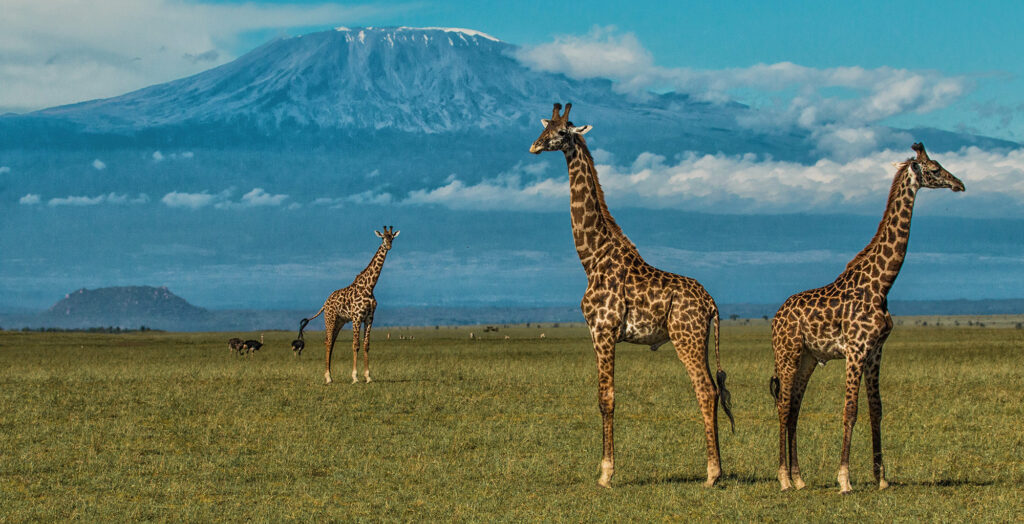
The dry season is Amboseli’s most popular time to visit — and for good reason. The skies are cloudless, Kilimanjaro’s snow-capped summit is often visible, and the animals are easy to find.
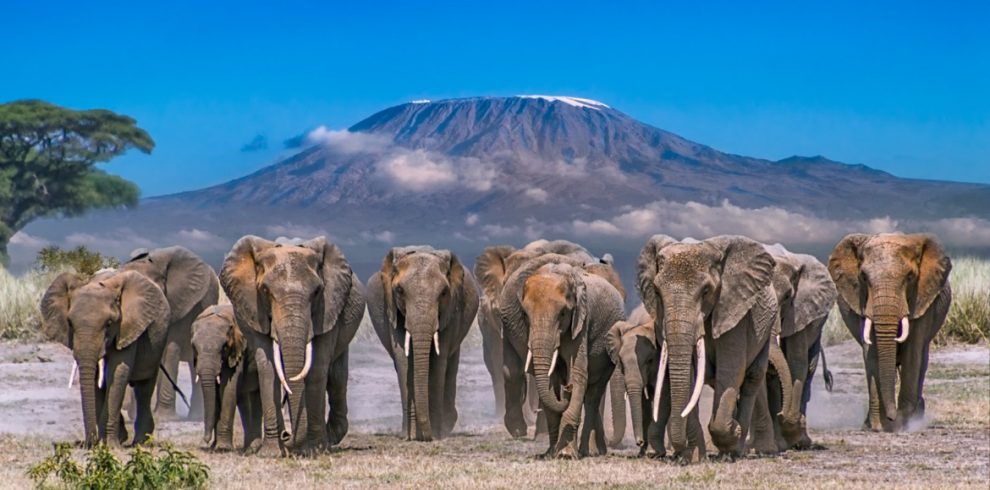
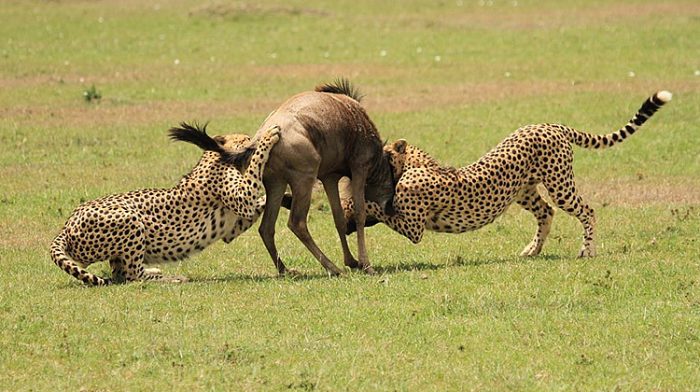
As the water sources shrink, herds gather around the remaining swamps and marshes. Elephants move in great numbers across the plains, their silhouettes glowing against the golden light. Predators such as lions and hyenas stay close to these herds, creating thrilling encounters for safari-goers.
The vegetation is sparse, offering unobstructed views for photographers. Early mornings are crisp, while afternoons grow warm but never uncomfortable.
This season is perfect for:
-
Classic Safari Photography – Clear air and golden light for dramatic shots.
-
Family Safaris – Stable weather, fewer insects, and easy travel conditions.
-
Multi-park Adventures – Combine Amboseli with Tsavo National Park or the Masai Mara Safari for a complete Kenya experience.
Every sunrise feels like a masterpiece — elephants under a glowing mountain, the air still and golden. For many, this is the Amboseli dream.
3. The Short Rains (November – December): Green Awakening
After months of dust and dryness, the short rains bring Amboseli back to life. The first drops fall gently, turning the plains into a carpet of green almost overnight.
The transformation is dramatic. Wildebeests, gazelles, and zebras give birth to their young, and the park fills with sound and color. Migratory birds return, painting the skies with motion.
Contrary to expectation, these rains rarely last all day — they arrive in brief, refreshing bursts, often followed by sunshine. The light becomes softer, the air clearer, and the landscapes more vibrant than ever.
Travelers who visit during this period enjoy fewer crowds, lower rates, and the chance to witness Amboseli’s renewal firsthand.
This is the best time for:
-
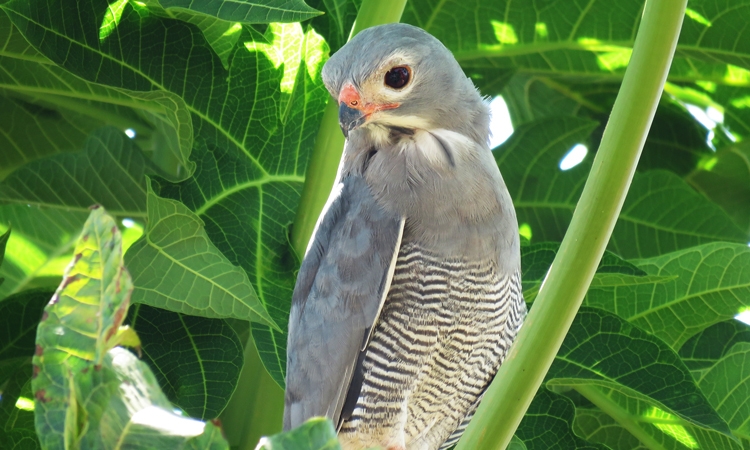
Birdwatching and Photography – More than 400 species, including flamingos and egrets.
-
Romantic Getaways – Lush scenery and peaceful lodges.
-
Cultural Encounters – Spend time with Maasai communities when the land feels alive again.
A safari with Woodsly Adventures during the short rains captures Amboseli’s most poetic side — tender, colorful, and full of new beginnings.
4. The Long Rains (March – May): Renewal and Reflection
The long rains mark Amboseli’s quietest and most introspective season. Heavy showers fall mainly in the afternoons or evenings, leaving mornings cool and misty.
For photographers and nature lovers, this is a time of transformation. The marshes expand, reflecting the mountain and the sky. The dust clears completely, revealing every shade of green and blue.
Wildlife remains plentiful, though sometimes harder to spot through the tall grass. Yet, those who come are rewarded with rare peace — the feeling of having Africa almost to themselves.
This is an excellent time for travelers who value solitude, dramatic skies, and slow, thoughtful exploration. The atmosphere is more personal, and lodges feel intimate.
While roads can be muddy, Woodsly Adventures ensures comfort and safety through well-equipped vehicles and expert local guides who know the terrain.
5. The Transitional Months – January and February
Between the rains and the dry season lies a brief, magical balance. The land is still green, the animals are active, and the skies are brilliantly clear.
This short window — typically January and February — combines the best of both worlds: lush landscapes without heavy rainfall. Elephants roam freely, predators thrive, and Kilimanjaro’s peak shines bright against the horizon.
For travelers seeking excellent visibility, moderate crowds, and vibrant colors, this is one of the best times to experience Amboseli.
Many guests pair this period with Mombasa Beach Retreat holidays, enjoying a perfect blend of safari and seaside relaxation before the long rains begin.
6. What Each Season Means for Wildlife Watching
Every shift in Amboseli’s climate tells a story.
-
Dry Season: Concentration. Animals gather at waterholes, and predators follow closely.
-
Short Rains: Birth and renewal. Young animals fill the plains, and birdlife explodes.
-
Long Rains: Restoration. The park breathes again, nourished by new life.
-
Transition Months: Balance. Clear skies, mild temperatures, and full diversity.
For photographers, this variety means no single “perfect” time — only perfect opportunities, depending on the mood you wish to capture.
A safari with Woodsly Adventures adapts to each phase, ensuring travelers are always in the right place, at the right time, for the most authentic experience.
7. Photography and Light Throughout the Year
Amboseli’s magic lies in its light. Even more than its animals, its soul is expressed through color — the soft blues of morning, the gold of sunset, the deep purples before rain.
-
June to October: Crystal-clear air and intense golden tones. Ideal for long-lens wildlife shots and portraits against Kilimanjaro.
-
November to February: Soft light and brilliant greens — perfect for wide landscapes and reflections in the marshes.
-
March to May: Moody skies, rainbows, and dramatic clouds. A paradise for photographers who love contrast and emotion.
Guides from Woodsly Adventures understand the interplay of weather and light better than anyone. Their timing, knowledge of animal movement, and familiarity with Amboseli’s terrain ensure that photographers and travelers alike capture the park’s most stunning moments.
8. Travel Tips for Every Season
No matter when you visit Amboseli, preparation enhances the experience.
-
Clothing: Light layers for the day, a warm jacket for cool nights.
-
Gear: A wide-brim hat, sunscreen, and binoculars are essential.
-
Photography: A zoom lens (200–400mm) captures wildlife best. Bring extra batteries and memory cards.
-
Health: Amboseli lies in a low malaria zone — consult your doctor before travel and pack repellent.
-
Mindset: Come with patience and openness. Nature’s timing, not ours, creates the best memories.
The reward? A journey that feels deeply personal, no matter the month.
9. Planning Your Amboseli Safari with Woodsly Adventures
At Woodsly Adventures, every safari is crafted around what matters most to you — whether it’s elephants in golden light, birds in flight, or the tranquil call of the wild after rain.
Their experienced guides and local experts design itineraries that align perfectly with Amboseli’s changing seasons. Travelers can pair Amboseli with:
-
Tsavo National Park Adventure for vast red landscapes and untamed wilderness.
-
Masai Mara Safari for the Great Migration and river crossings.
-
Wasini Island Marine Park Excursion for marine life and coastal culture.
-
Mombasa Beach Retreat to unwind beside turquoise waters.
Whether you’re chasing sunsets or serenity, their team ensures the season aligns perfectly with your safari dreams.
10. Conclusion – The Perfect Time Is When You’re Ready to Feel Africa
Amboseli doesn’t have a wrong season — only different moods. Some months burn with sunlight, others whisper with rain. But every day offers something unforgettable: elephants crossing golden dust, birds dancing over emerald marshes, and Kilimanjaro standing guard over it all.
What matters most isn’t the month on the calendar, but the moment you decide to go. Because when you step onto Amboseli’s plains, time itself seems to slow, and you become part of a rhythm older than memory.
Book your Amboseli Elephant Safari with Woodsly Adventures today — and let Kenya’s seasons unfold before you in light, color, and life.