Introduction – When the Skies Break Open Over Amboseli
For weeks, the air hangs heavy and still. The dust swirls lazily across Amboseli’s plains, and the herds move slowly between dry waterholes. Then, one afternoon, the horizon darkens. Thunder rumbles over Mount Kilimanjaro. The wind shifts, cool and sudden. Fat drops of rain strike the red earth, and within moments, the savannah exhales — alive again.
In Kenya, rain is more than weather. It’s a renewal of life, a promise kept between the land and the sky. And nowhere does this transformation feel more magical than in Amboseli National Park.
After the rains, Amboseli becomes a living mosaic — the once-dry marshes shimmer with new water, acacia trees bloom, and animals emerge in joyful abundance. It’s a time of rebirth and reflection, a perfect season for travelers seeking authenticity and connection.
With Woodsly Adventures, you can experience this transformation up close — when the crowds thin, the colors deepen, and the soul of Amboseli shines brightest.
Table of Contents
-
The Green Season – A Time of Renewal
-
How Rain Transforms Amboseli’s Landscape
-
Wildlife Behavior After the Rains
-
Birdwatching Heaven – Amboseli’s Avian Symphony
-
The Elephant Experience in the Wet Season
-
Photography in the Green Season – Color and Contrast
-
The Rhythm of Life – From Births to Migrations
-
Why Visit During the Rains – The Quiet Magic of Fewer Crowds
-
Planning Your Green Season Safari with Woodsly Adventures
-
Conclusion – The Beauty of Rebirth on the Savannah
1. The Green Season – A Time of Renewal
The “green season,” as it’s affectionately called, runs from November to May in Amboseli. During this time, short bursts of rain transform the entire park from dusty gold to vibrant emerald.
The landscape feels reborn — grasses sprout overnight, wildflowers bloom, and the air smells of wet earth and fresh beginnings. It’s a season that redefines what a safari means: softer light, gentler colors, and a deeper intimacy with nature.
While many travelers think of Kenya’s dry season as the best time to visit, those who come after the rains discover something more profound — Amboseli’s quieter, greener, more soulful side.
2. How Rain Transforms Amboseli’s Landscape
Amboseli sits in the shadow of Mount Kilimanjaro, whose melting snows feed underground rivers that surface as marshes within the park. When the rains arrive, these marshes swell, turning the plains into mirrors of sky and cloud.
The dusty roads disappear beneath carpets of green. Small pools glisten beside the acacias. The mountains seem closer, their outlines sharpened by the clean, washed air.
The transformation isn’t just visual; it’s atmospheric. The sounds change — frogs sing at night, insects hum in the grasses, and the wind carries the soft calls of migrating birds. Even the light changes — softer, more diffuse, creating natural contrast that photographers dream of.
With Woodsly Adventures, every moment of this transition is a photo opportunity and a lesson in ecology. Guides help you understand how the land responds to the rain, how it stores water, and why Amboseli’s ecosystem thrives on this fragile balance between drought and abundance.
3. Wildlife Behavior After the Rains
When the rains come, Amboseli’s wildlife rejoices.
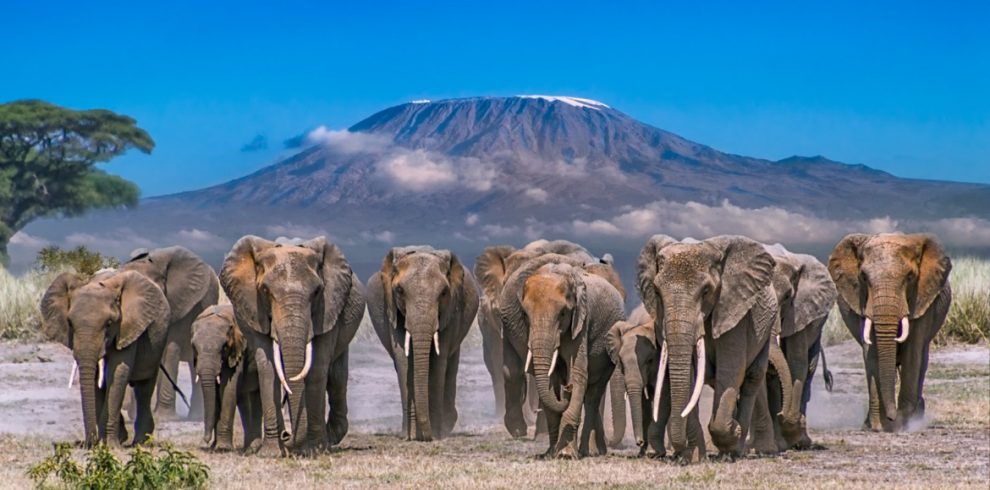
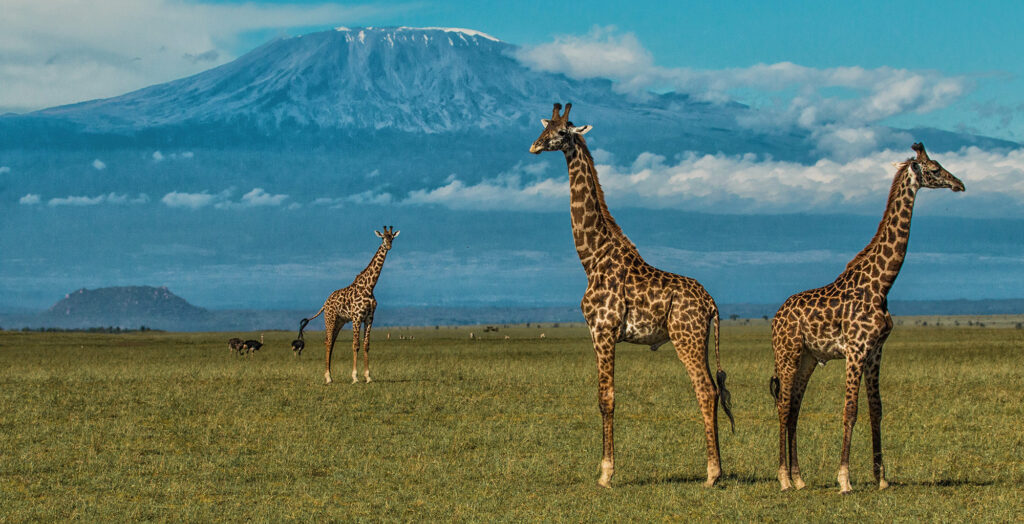
The elephants, always central to Amboseli’s identity, return to the marshes in greater numbers. Families bathe, roll in the mud, and feed on the newly sprouted reeds. Zebras and wildebeests graze side by side in the rejuvenated grasslands, while giraffes stretch to feed on tender green shoots.
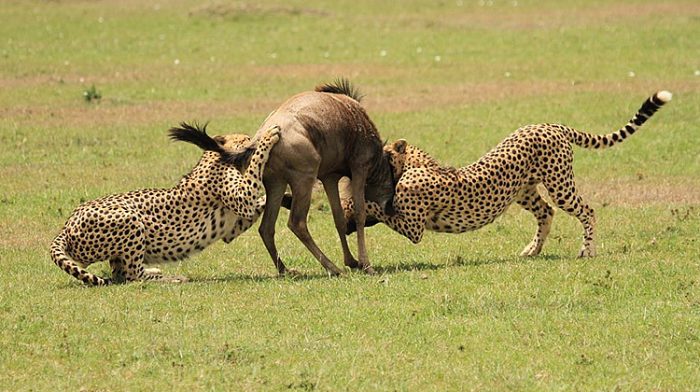
Predators also follow — lions, cheetahs, and hyenas emerge to take advantage of the abundance of prey. Calves and foals born during the rains bring new energy to the plains, and with them comes the constant rhythm of life and survival.
The wet season reveals the true harmony of Amboseli — where every drop of rain sets the stage for drama, beauty, and renewal.
4. Birdwatching Heaven – Amboseli’s Avian Symphony
For bird lovers, the rainy season is paradise. Amboseli becomes one of Kenya’s richest birding destinations, with over 400 species recorded during this time.
Migratory birds arrive from Europe and Asia, filling the skies with movement and song. The swamps become staging grounds for pelicans, herons, and egrets, while flamingos gather on temporary lakes to feed.
Color bursts from every corner — the lilac-breasted roller flashes blue and purple across the trees, the yellow-billed stork stalks gracefully in the shallows, and bee-eaters dance in pairs along the road edges.
Woodsly Adventures’ guides are trained birders who help guests identify species, understand their behavior, and photograph them in perfect light. The combination of open landscape, water, and reflection creates endless opportunities for unique compositions.
5. The Elephant Experience in the Wet Season
Amboseli’s elephants are world-famous, and after the rains, they’re at their most expressive.
The marshes become playgrounds. Calves splash joyfully in the water, mothers guide them with gentle nudges, and the matriarch leads her herd across the shimmering plains. Their reflections, mirrored in the flooded grasslands, create photographs that feel almost dreamlike.
Mud baths aren’t just fun — they’re essential. The mud protects their skin from sun and insects. Watching them roll, spray, and coat themselves in layers of Amboseli’s red earth is one of the purest joys of the safari.
Through Woodsly Adventures’ Amboseli Elephant Safari, travelers can spend extended time observing these giants in their natural rhythm, gaining insight into their social lives and emotional depth.
6. Photography in the Green Season – Color and Contrast
For photographers, Amboseli after the rains is a revelation. The harsh light of the dry season gives way to soft skies and vivid color palettes. Greens, blues, and reds contrast beautifully, and reflections in water pools double the drama.
Dust-free air means clearer horizons — ideal for capturing Mount Kilimanjaro in full view. The mornings bring gentle mist, creating layers of light that turn ordinary landscapes into works of art.
The play of weather adds mood to every image — storm clouds forming over elephants, sunbeams breaking through rain, and droplets glistening on acacia leaves.
Woodsly Adventures designs safari schedules around the best light, ensuring photographers have access to key locations during sunrise and sunset. Whether you’re a professional or simply passionate about capturing beauty, this season rewards every click of the shutter.
7. The Rhythm of Life – From Births to Migrations
The rains bring life — literally. Many animals time their births to coincide with the season’s abundance. Calves, foals, and fawns fill the plains, their playfulness a sign of nature’s optimism.
These newborns attract predators, creating one of nature’s most dramatic cycles — a balance between vulnerability and survival that defines Africa’s wilderness.
For travelers, this is one of the most authentic times to witness natural behavior. You might see a lioness carrying her cubs to higher ground, a giraffe giving birth under an acacia, or a family of elephants teaching their young to forage.
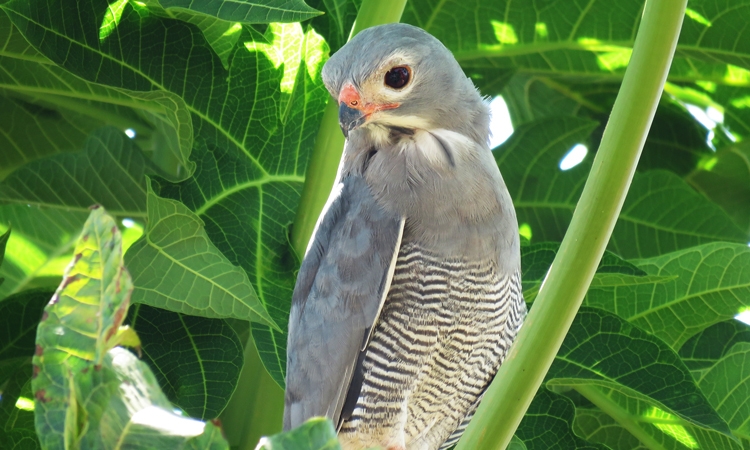
The abundance of prey also draws birds of prey in large numbers — eagles, kites, and vultures soaring above the grasslands in perfect formation.
Every day feels like the opening scene of a wildlife documentary, and Woodsly Adventures ensures you’re there to see it unfold.
8. Why Visit During the Rains – The Quiet Magic of Fewer Crowds
The rainy season is often misunderstood as a time to avoid safaris, but for those who seek authenticity, it’s the best-kept secret in Kenyan travel.
Fewer visitors mean quieter parks, intimate encounters, and better photographic opportunities. You can linger with a herd of elephants without another vehicle in sight or enjoy a sunrise over Kilimanjaro in peaceful solitude.
Lodges are more serene, prices are more attractive, and the atmosphere feels deeply personal — like Amboseli is yours alone.
Woodsly Adventures specializes in making the most of this “off-peak” magic. Their guides know how to navigate wet roads safely, adapt schedules to weather changes, and find wildlife when others might miss it.
This is safari at its most genuine — raw, real, and deeply rewarding.
9. Planning Your Green Season Safari with Woodsly Adventures
Booking an Amboseli safari after the rains requires local expertise — and that’s where Woodsly Adventures excels.
Each itinerary is customized to match your interests — whether you’re a photographer, a family traveler, or a nature lover.
Their team monitors seasonal patterns to time your trip perfectly for peak wildlife and photography opportunities. Accommodations are chosen for their comfort, access, and sustainability, ensuring your experience is immersive yet responsible.
You can even combine Amboseli with the lush coastal landscapes of a Mombasa Beach Retreat or the coral lagoons of the Wasini Island Marine Park Excursion — creating the perfect “green Kenya” itinerary from plains to ocean.
For those seeking a more extended adventure, connect your Amboseli trip with the Masai Mara Safari or Tsavo National Park Adventure for a complete immersion into Kenya’s diverse ecosystems.
10. Conclusion – The Beauty of Rebirth on the Savannah
When the rains fall, Amboseli becomes a story of renewal — a living testament to nature’s resilience. Every drop brings change. Every cloud carries promise. And every sunrise after the storm feels like the world beginning again.
For those who travel with Woodsly Adventures, the green season isn’t just another safari; it’s a deeper connection to the rhythm of life itself.
Here, under the shadow of Mount Kilimanjaro, you’ll witness how the earth breathes again — and perhaps feel your own spirit do the same.
Book your Amboseli Elephant Safari today and experience Amboseli’s rebirth — a season where every raindrop tells a story of hope, harmony, and beauty renewed.