Enveloped in mystique and grandeur, Tsavo National Park in Kenya is rightfully dubbed the ‘Land of Giants’. This vast wilderness is renowned for its immense biodiversity, breathtaking landscapes, and its infamous history with man-eating lions. Embark on an exploration through Tsavo’s natural marvels, vivid history, and its conservation journey.
The Majestic Geography of Tsavo
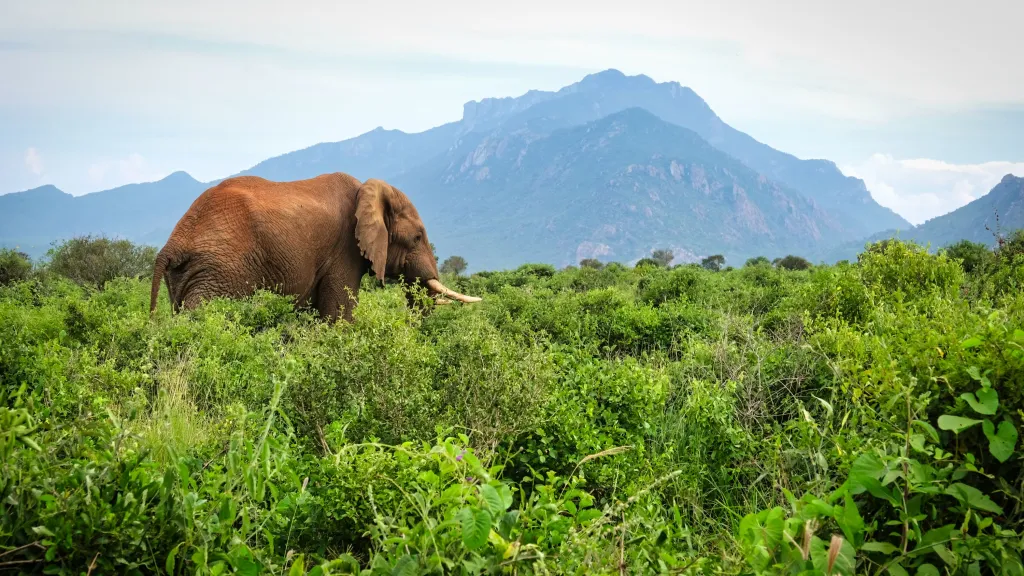
Learn about the expansive geography of Tsavo National Park, comprising Tsavo East and Tsavo West. Discover the ancient Yatta Plateau, the world’s longest lava flow, and the crucial waterways including the Tsavo River and Lugard Falls. Understand the geographical contrasts between the arid Tsavo East and the mountainous, lush Tsavo West.
The Wild Giants – Flora and Fauna
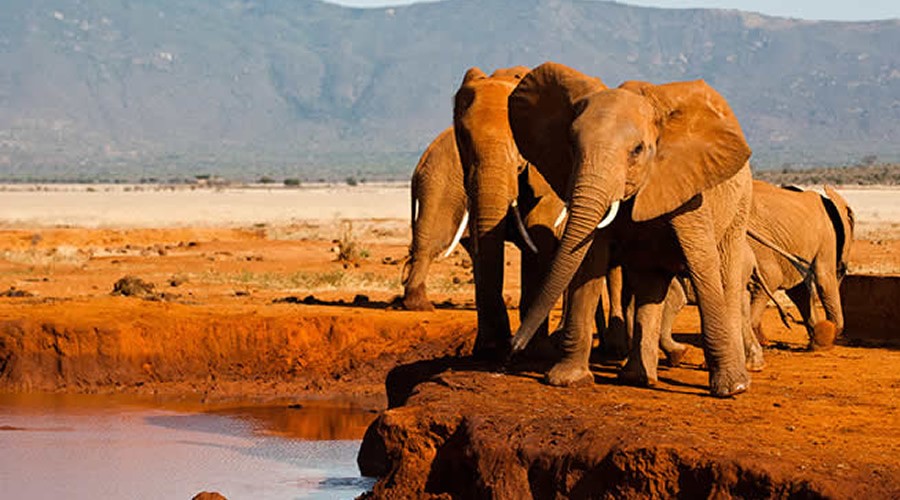
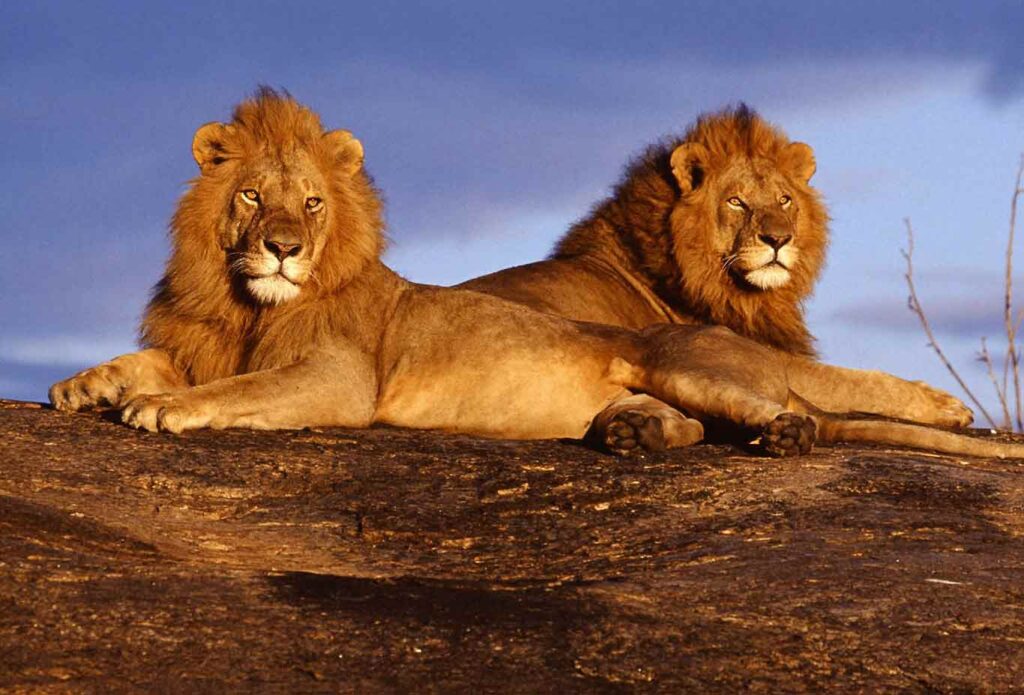
Delve into Tsavo National Park’s rich array of wildlife, with a spotlight on the African elephants that paint this park as ‘The Land of Giants’. Explore the diverse flora like acacias and baobabs, and meet other wildlife residents such as lions, buffaloes, and over 500 bird species that call Tsavo their home.
The Infamous Man-Eaters and Rich History
Tsavo’s history is as compelling as its landscapes, marked by the chilling tales of the Tsavo Man-Eaters, lions that terrorized railway workers in 1898. Unearth the archaeological and colonial history that shaped Tsavo National Park, and how it transitioned into a safeguarded national treasure after Kenya’s independence.
Conservation Efforts and Modern-Day Tsavo
Building on the rich tapestry of history and legend that envelopes Tsavo National Park, it is essential to delve into the contemporary narrative that defines its existence today. Tsavo is not just a sanctuary preserving the echoes of the past, but a vibrant, living testament to the efforts directed towards wildlife conservation. The park’s vast landscapes serve as a battleground against modern threats such as poaching and human encroachment, which have escalated in tandem with Kenya’s population growth and economic challenges.
In response, Tsavo has become a microcosm of innovative conservation techniques and strategies. Efforts include the deployment of cutting-edge technology for wildlife monitoring, anti-poaching units, and community-based conservation projects. These initiatives aim to strike a delicate balance between the needs of wildlife protection and the livelihoods of local communities bordering the park. By involving these communities in eco-tourism and conservation education, Tsavo’s guardians are fostering a symbiotic relationship that benefits both humans and wildlife.
Moreover, Tsavo’s pivotal role in tourism highlights the economic significance of wildlife conservation. As Kenya’s largest national park, it draws visitors from across the globe, eager to witness its legendary giants and breathtaking landscapes. This influx of tourists not only underpins the local and national economy but also reinforces the importance of ongoing conservation efforts to ensure these attractions persist for future generations.
In essence, Tsavo is a beacon of hope in the fight to preserve Africa’s incredible biodiversity. Its story is one of resilience and adaptability, reflecting the broader challenges and triumphs of conservation across the continent. Through the concerted efforts of government bodies, non-profit organizations, and local communities, Tsavo stands as a testament to what can be achieved when humanity works in tandem with nature, rather than in opposition.
Conclusions
Tsavo National Park stands not only as ‘The Land of Giants’ but as a colossal testament to natural resilience and historical depth. From its striking landscapes to its biodiversity and rich history, Tsavo exemplifies both nature’s ferocity and beauty. Its continued preservation is vital for sustaining Kenya’s ecological and cultural heritage.