Deciding between a safari in Masai Mara or the Serengeti can be challenging. Both iconic destinations offer a spectacular display of wildlife and natural beauty. This article delves deep into each to help you make an informed decision.
The Call of the Wild
The primal allure of African safaris is vividly brought to life in the raw, unfiltered beauty of both Masai Mara and the Serengeti. These destinations, while geographically close and ecologically similar, offer unique aspects that make them must-visits for any nature enthusiast and adventure seeker.
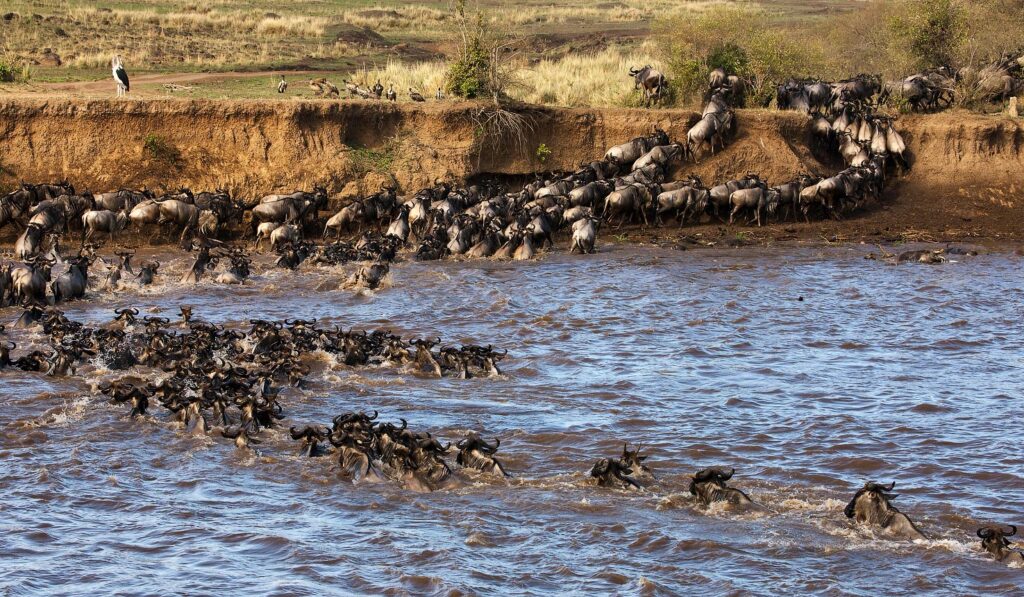
The Masai Mara, named after the Maasai people and the Mara River which divides it, is a vast grassland teeming with the Big Five: lions, leopards, elephants, buffalo, and rhinoceros. The reserve’s “spotted” landscape, dotted with trees, shrubs, and cloud shadows, plays host to the spectacular Great Migration. This dramatic movement of wildebeest, zebra, and gazelle is considered one of nature’s greatest spectacles, offering breathtaking viewing opportunities.
The Serengeti, famed for its vast savannah landscapes, hosts a similar biodiversity but adds its unique phenomenon: the circular Great Migration pattern, ensuring year-round viewing of this natural marvel. The Serengeti’s endless plains provide a stark contrast to the Mara’s more varied topography and offers a broader sense of the scale of these natural processes.
Choosing between the Masai Mara and the Serengeti hinges on one’s personal preference for landscape intimacy versus magnificent sprawl, and the timing of the visit, as both parks offer distinct seasonal attractions. What remains constant is the sheer thrill of being in the presence of such untrammeled natural beauty and witnessing wildlife in its most unguarded moments.
Masai Mara – A Brief Overview
Nestled in the southwest of Kenya, the Masai Mara National Reserve is a majestic expanse of wilderness that serves as a continuation of the Serengeti’s vibrant ecosystem. Its rich history is deeply intertwined with the Masai people, indigenous inhabitants who have grazed their cattle on these plains for centuries. The name “Masai Mara” itself pays homage to this cultural heritage; ‘Mara’ means ‘spotted’ in the Maa language, a poetic nod to the patchwork of trees, shadows, and clouds that adorn the landscape from a bird’s eye view.
The reserve is celebrated not just for its spectacular wildlife but as a living testament to the coexistence between humans and nature. The Masai Mara’s significance spills beyond its biological diversity, encapsulating a broader story of conservation and cultural respect. It’s a landscape that has withstood the test of time, where the Masai’s pastoral way of life continues amidst the backdrop of one of Africa’s most iconic safaris. This synergy between community and wilderness underlines the reserve’s allure, distinguishing it as a destination that offers insights into both natural wonders and the enduring legacy of its people. As we pivot to the Serengeti’s endless plains in the following discourse, the Masai Mara serves as a poignant example of the delicate balance between preserving vital ecosystems and honoring the cultural identities that have shaped these lands for generations.
Serengeti’s Endless Plains
The Serengeti National Park, a symbol of African wildlife, unfolds across 14,763 square kilometers of Northern Tanzania, and serves as a continuation of the ecosystem found in the Masai Mara. The name “Serengeti” is derived from the Maasai language, meaning “endless plains,” a fitting description for this vast landscape that stretches to the horizon in every direction. The Serengeti is renowned for its flat savannahs, acacia-studded grasslands, and rich biodiversity. Established in 1951, the park has become a cornerstone in global conservation efforts, showcasing the importance of protected areas in preserving species and natural habitats.
The Serengeti’s ecological significance is immense, providing sanctuary to millions of animals, including the highest concentration of large mammals in the world. It plays a critical role in supporting the annual Great Migration, an awe-inspiring display of nature’s resilience and beauty. This event links the Serengeti with the Masai Mara, allowing for the movement of huge numbers of wildebeest and zebras in search of fresh grazing grounds. Unlike the Mara, the Serengeti’s sprawling, unbroken vistas offer a different perspective on wilderness and wildlife, with its open spaces providing the backdrop for dramatic predator-prey interactions throughout the year. This characteristic landscape not only supports an extraordinary diversity of wildlife but also encapsulates the essence of a quintessential African safari experience.
Wildlife Diversity and Migration Marvels
When faced with the choice between embarking on a Masai Mara Safari or a Serengeti Adventure, understanding the unique wildlife diversity and the phenomenon of the Great Migration that seamlessly connects these two expansive ecosystems is crucial. Both regions boast an impressive array of species, yet subtle differences in population densities and wildlife varieties provide distinct experiences.
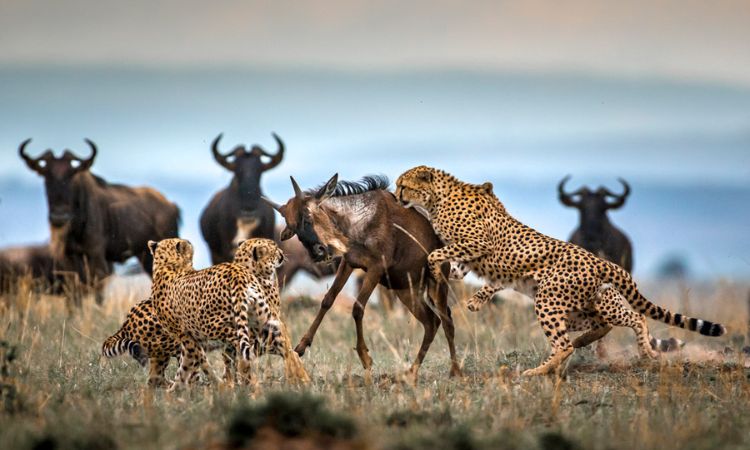
The Serengeti is famed for its vast numbers of wildebeest, estimated at about 1.5 million, which form the backbone of the Great Migration. This annual movement, which also includes hundreds of thousands of zebra and gazelle, is a staggering display of wildlife behavior, linking the Serengeti and the Masai Mara in a natural cycle of life and death. The Serengeti’s wide-open savannas also support one of the largest lion populations in Africa, making it an exceptional place to witness predator-prey interactions.
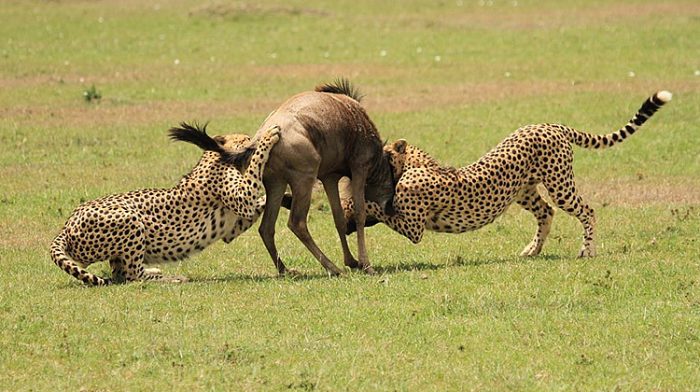
In contrast, the Masai Mara, while smaller, offers higher predator densities, giving observers potentially more frequent sightings of lions, cheetahs, and leopards. The Mara is also part of the Great Migration’s route, offering a dramatic scene as the animals cross the Mara River, notorious for its lurking crocodiles. Beyond the spectacle of the migration, the Masai Mara is home to a substantial elephant population and is a better chance to spot the endangered black rhinoceros, albeit in smaller numbers compared to the past.
In both landscapes, the delicate balance between species contributes to the rich tapestry of African wildlife. Choice between the Masai Mara and the Serengeti often comes down to personal preference; whether one seeks the serene beauty and predator sightings of the Mara or the unparalleled magnitude of the Serengeti’s migrating herds. The connectivity between these regions through the Great Migration highlights not only the wonder of nature’s cycles but also the importance of concerted conservation efforts, as discussed in the following chapter, to preserve these marvels for generations to come.
Conservation Efforts and Challenges
Following the discussion on the incredible wildlife diversity and the marvels of migration between Masai Mara and Serengeti, it is crucial to delve into the conservation efforts that maintain these spectacles of nature. Both regions have been at the forefront of conservation, facing challenges such as poaching, human-wildlife conflict, and the impacts of climate change.
In the Masai Mara, the Mara Conservancy plays a pivotal role in anti-poaching efforts, implementing community-based strategies that involve local Maasai communities in conservation. Education about the benefits of wildlife and tourism has led to a decrease in poaching incidents. However, land pressure from population growth poses significant challenges, as it leads to changes in traditional land use and could disrupt the migration routes essential for the wildlife diversity highlighted in the previous chapter.
On the other hand, the Serengeti boasts extensive research initiatives like the Serengeti Wildlife Research Centre, focusing on understanding ecosystem dynamics and the effects of human activities. Efforts in the Serengeti also face the challenge of balancing the needs of wildlife conservation with those of local communities. Encroachment and habitat alteration due to agricultural expansion are significant threats.
Both regions are iconic for their efforts in conservation and face complex challenges that require innovative solutions, including engaging communities and leveraging technology for monitoring and enforcement. As we explore the best times to visit these locations in the next section, the sustainability and conservation measures in place are critical for ensuring that these migrations and the diversity of wildlife continue to be a spectacle for generations to come.
Best Time to Visit
Choosing between a Masai Mara safari and a Serengeti adventure hinges significantly on the best times to visit these iconic wildlife havens. The timing of your visit can profoundly influence your experience, guided by weather patterns, animal migrations, and tourist seasons.
The Masai Mara in Kenya is a year-round destination, but its peak spectacle, the Great Migration, occurs from July to October. This is when millions of wildebeest, zebra, and gazelles traverse the Mara River in search of greener pastures, creating a breathtaking spectacle. However, this period also draws the highest number of tourists. For those seeking more solitude and equally impressive wildlife viewing, considering the short rains season of November and December might be wise. The rains rejuvenate the landscape, yet the visitor numbers are lower, offering a more private safari experience.
The Serengeti in Tanzania, on the other hand, is vast and its climate varies across different parts. The optimal time to witness the Great Migration here is slightly earlier in the year, from June to July, as the herds move towards the north. The dry season, from late June to October, is ideal for wildlife viewing, as animals congregate around water sources. Conversely, the calving season in late January to February is a spectacular time to visit the southern Serengeti, offering aficionados a chance to see predator-prey interactions at their peak.
Both destinations have their off-peak seasons, like the long rains in April and May, which might be less ideal for game drives due to muddy conditions but offer lush, photogenic landscapes and fewer crowds. Such times can also be appealing for those interested in bird watching, as many migratory species are present.
In sum, choosing between the Masai Mara and the Serengeti should take into account not just the wildlife but the nuances of each season. Timing your visit can enhance your experience, affording you the sights and encounters that most dream of when envisioning an African safari. Remembering the conservation challenges outlined before, visiting during less congested periods can also minimize human impact on these precious ecosystems. As we move to the next chapter on Safari Experiences and Activities, it’s clear that both destinations offer unique opportunities, but when you visit could shape the memories you take home forever.
Safari Experiences and Activities
Building on the understanding of the best times to visit Masai Mara and the Serengeti, let’s delve into the experiences and activities each destination has to offer, providing unique perspectives on the African safari experience.
In the Masai Mara, visitors can expect immersive game drives led by experienced guides, offering up-close encounters with the Big Five in their natural habitats. What sets Masai Mara apart is its opportunities for cultural interactions. Guests can visit Maasai villages to learn about traditional dances, crafts, and the nomadic lifestyle of the Maasai people, enriching the safari experience with cultural depth and understanding. Additionally, hot air balloon rides at dawn provide a breathtaking aerial view of the vast savannah, teeming with wildlife, which is an experience unique to the Mara.
Conversely, the Serengeti is famed for its annual Great Migration, where over a million wildebeest, zebra, and gazelle traverse its plains in a spectacular display of natural wonder. This phenomenon offers unparalleled game viewing opportunities, especially for those interested in predatory behavior as lions, crocodiles, and other predators take advantage of the migrating herds. Besides game drives, the Serengeti also offers hot air balloon safaris, but with the added bonus of witnessing large herds from above, particularly during the migration period. Lodging options range from luxury tents to lodges, all designed to blend into the environment and provide an authentic wilderness experience.
Choosing between Masai Mara and Serengeti comes down to what one wishes to prioritize—be it cultural immersion and varied wildlife experiences in Masai Mara or the awe-inspiring natural events and extensive game drives in the vastness of the Serengeti. Each reserve presents a story different from the other, inviting adventurers to decide based on the narrative they wish to be part of.
As we move forward, we will explore how both destinations are making efforts toward sustainable tourism and community involvement, ensuring that the marvels of Masai Mara and Serengeti continue to thrive for generations to come, benefiting both the wildlife and the local communities that call these iconic landscapes home.
Sustainable Tourism and Community Involvement
In the context of sustainable tourism and community involvement, both the Masai Mara and Serengeti exhibit commendable efforts. The Masai Mara, renowned for its wildebeest migration, has implemented several measures to ensure the coexistence of tourism and conservation. Community conservancies surrounding the Mara have become a pioneering model for wildlife conservation, benefiting local Maasai communities economically and socially. Through conservancy fees, a portion of the revenue from tourism is directly shared with the communities, incentivizing them to protect the wildlife and natural habitats. This model not only supports conservation but also uplifts the local communities, providing jobs and funding for schools and healthcare.
Similarly, the Serengeti, famed for its vast landscapes and unparalleled wildlife sightings, has embraced sustainable tourism practices. The Tanzania National Parks Authority (TANAPA), along with various non-governmental organizations, has initiated conservation education programs for local communities. These programs aim to enlighten inhabitants on the importance of the Serengeti ecosystem and encourage participation in its preservation. Beyond conservation education, the Serengeti benefits local communities through revenue generated by park fees, a portion of which is allocated to development projects within surrounding villages. These efforts ensure that tourism in the Serengeti not only contributes to an unforgettable wildlife experience but also aids in the socio-economic development of local communities.
The choice between Masai Mara and Serengeti, therefore, may hinge on personal values towards sustainable tourism and community involvement. Both destinations are taking strides in the right direction, showcasing how tourism, when done responsibly, can be a powerful tool for conservation and community development.
Practical Information for Travelers
Following the exploration of sustainable tourism and community involvement in the Masai Mara and Serengeti, it’s crucial to delve into the practical information for travelers planning their African wildlife adventure. Before embarking on this unforgettable journey, there are several key considerations to keep in mind to ensure a smooth and responsible trip.
Visa Requirements: Both Kenya (for Masai Mara) and Tanzania (for the Serengeti) have specific visa requirements for visitors, which can often be obtained upon arrival or via an online application prior to travel. However, it’s advised to check the latest visa requirements specific to your country of origin well in advance.
Health and Safety Considerations: Vaccinations for diseases such as yellow fever may be required, alongside recommended shots for hepatitis A and B, and typhoid. Malaria prophylactics are highly recommended due to the prevalence of the disease in both regions. Also, consult travel advisories and ensure you’re aware of local customs and laws to avoid inadvertently offending or breaking local regulations.
Travel Insurance: Opting for comprehensive travel insurance that covers medical emergencies, evacuation, and cancellation is non-negotiable. Given the remote locations of the Masai Mara and Serengeti, having a policy that covers medical evacuation is crucial.
When considering your next steps after understanding the importance of sustainable tourism, knowing these practical aspects of planning your safari is essential. It not only ensures your safety and compliance with local regulations but aligns with responsible travel practices that benefit both the environment and local communities. As you move forward to personalize your African adventure, keeping these considerations in mind will allow you to focus on tailoring your trip to your preferences, ensuring an enriching and hassle-free experience.
Personalizing Your African Adventure
After sorting through the practicalities of planning your safari trip, it’s crucial to tailor your journey to match your personal desires and expectations. Whether you’re leaning towards the unbridled luxury of opulent lodges or the raw thrill of adventure camping under the African night sky, both Masai Mara and Serengeti offer a spectrum of experiences that can cater to your individual safari dreams.
For those in pursuit of luxury, both destinations boast world-class accommodations that provide unparalleled comfort without sacrificing the authenticity of the safari experience. Think private balconies overlooking vast savannahs, personal guides, and exquisite cuisine. On the other hand, adventurers seeking a more hands-on experience can opt for mobile camps that move with the wildlife migrations, offering an immersive experience that brings you closer to the heart of the wild.
Cultural immersion is another facet to consider. The Masai Mara offers a unique opportunity to engage with the Maasai people, known for their vibrant culture and traditional way of life. Many safari tours in the Mara include village visits and cultural talks, which provide insight into the local customs and way of life.
Finally, both your budget and time constraints are key in personalizing your safari. Luxury comes with a higher price tag, but there are options to accommodate a stricter budget without compromising on the essence of the safari experience. Similarly, the length of your stay could influence whether the Great Migration in the Serengeti or a more intimate wildlife experience in the Masai Mara would be more fitting.
In essence, by considering what aspects of the safari are most important to you—be it luxury, adventure, cultural immersion, or a mix of these elements—you can craft a safari experience that not only meets but exceeds your expectations, ensuring that your African adventure becomes a journey of a lifetime.
Conclusions
The Masai Mara and Serengeti National Park each offer unique safari experiences that cater to a range of preferences and expectations. Your choice between the two will hinge on the kind of adventure you seek, the time of your visit, and the intimate encounters with African wildlife you wish to have.