The air in Amboseli hums softly at sunrise. Mist clings to the golden grass, birds call from the acacias, and a small shape stumbles in the distance—a baby elephant, barely a few weeks old, learning to walk under the watchful gaze of its mother.
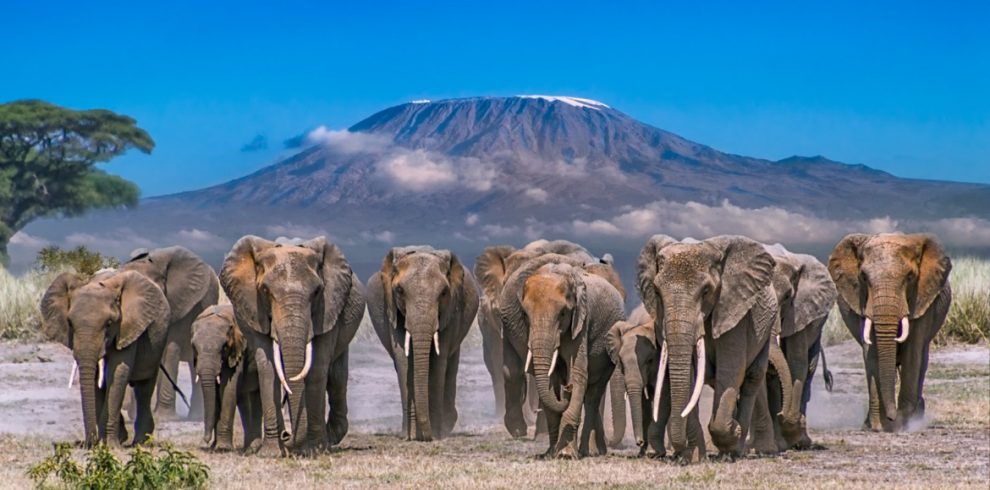
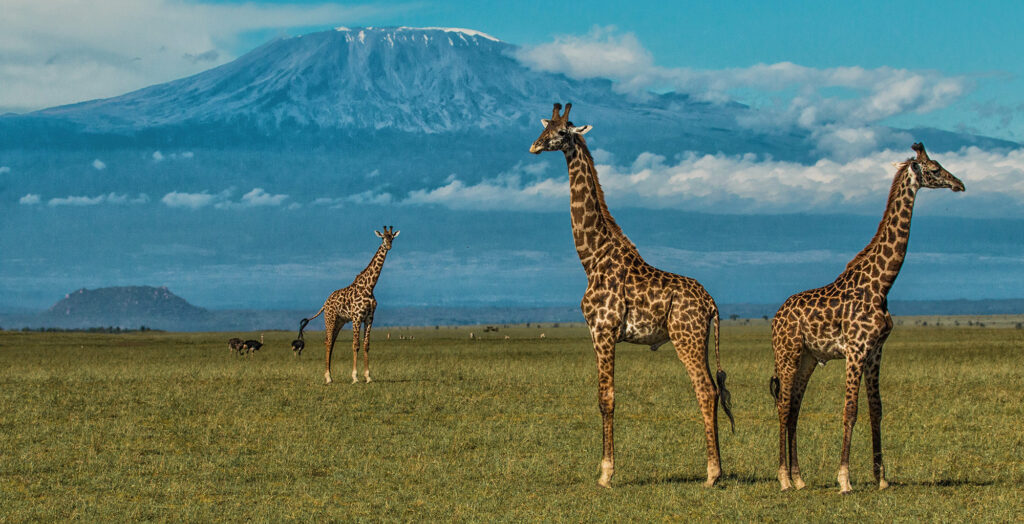
This is Amboseli National Park, Kenya’s living classroom of life. Here, every dawn tells a story of beginnings. Families of elephants roam the open plains, calves nuzzle under their mothers for comfort, and Mount Kilimanjaro towers silently above it all, a guardian of generations.
Amboseli is often called “The Land of Giants,” but it is also “The Land of Family.” To see elephants here is to witness one of nature’s purest expressions of love, community, and resilience.
Join Woodsly Adventures on the unforgettable Amboseli Elephant Safari and experience the Circle of Life as it unfolds naturally before your eyes—gentle, powerful, and endlessly moving.
Table of Contents
-
The Heartbeat of Amboseli – Families That Never Forget
-
How Elephant Families Work – Mothers, Calves, and Matriarchs
-
Birth and Beginnings – The Miracle of a New Life
-
Growing Up in the Wild – Lessons from the Herd
-
Communication and Emotion – How Elephants Express Love
-
Dangers and Challenges – Survival on the Savannah
-
The Role of the Matriarch – Wisdom That Guides Generations
-
The Amboseli Elephant Research Project – Protecting Every Calf
-
Watching Elephant Families Responsibly
-
Experience the Circle of Life with Woodsly Adventures
1. The Heartbeat of Amboseli – Families That Never Forget
In Amboseli, elephants aren’t just wildlife—they are families with histories, relationships, and traditions. Each herd is led by a matriarch, followed by her daughters, granddaughters, and their calves. These herds move gracefully across the plains in search of water and grazing grounds, their movements as synchronized as a dance.
The elephants of Amboseli have been studied for over five decades, making them some of the best-known wild animals on Earth. Researchers can recognize individuals by the shape of their tusks or ears, and they’ve documented stories of courage, grief, and joy.
Every herd has its rhythm. Some are playful and curious, while others move with quiet dignity. But all share the same heartbeat—the need to protect, nurture, and stay connected.
2. How Elephant Families Work – Mothers, Calves, and Matriarchs
Elephants live in one of the most sophisticated social systems in the animal kingdom.
A herd typically includes 10 to 20 females and their young. The oldest female—the matriarch—leads with authority and compassion. She knows the best routes to water, remembers safe places during drought, and even teaches the younger members how to raise calves.
Calves are the center of the herd’s attention. From the moment they’re born, the entire family becomes their guardians. Mothers rarely let their babies stray far, and other females (called “aunties”) often help babysit, allowing the mother to rest or feed.
This cooperative care is what keeps Amboseli’s elephants strong. In a landscape where survival depends on memory and unity, no calf grows up alone.
3. Birth and Beginnings – The Miracle of a New Life
Few moments in nature rival the birth of an elephant calf.
After a 22-month pregnancy—the longest of any land mammal—a mother gives birth standing up. The newborn, weighing about 100 kilograms, struggles to its feet within minutes, guided gently by trunks and nudges from its family.
The first few hours are critical. Calves must learn to stand, walk, and nurse quickly. Within a day, they begin to explore their surroundings under constant supervision.
Watching a newborn take its first steps in Amboseli is profoundly moving. You realize that in this wilderness, every birth is a triumph—a symbol of hope that endures despite droughts, predators, and time itself.
When you travel with Woodsly Adventures, your guides will share these intimate moments respectfully and from a distance that ensures safety and serenity for both elephants and travelers.
4. Growing Up in the Wild – Lessons from the Herd
Elephant calves spend their first years learning from observation and imitation.
They watch how their mothers use trunks to pull grass, dig for water, and communicate with other herds. Young calves practice by clumsily flapping their ears or attempting trumpet calls that sound like soft squeaks.
Play is essential. Calves chase each other through puddles, wrestle with their trunks, and splash in Amboseli’s swamps. These playful behaviors strengthen muscles and social bonds.
Every few hours, they return to nurse, pressing against their mothers for comfort. The tenderness of these moments reveals how emotional elephants truly are.
As they grow, young males will eventually leave the herd to join bachelor groups, while females stay, continuing the matriarchal legacy. The circle never ends—it simply renews.
5. Communication and Emotion – How Elephants Express Love
Elephants speak a language deeper than sound.
They communicate through low-frequency rumbles that travel across the ground—vibrations felt by other elephants miles away. They also use touch, smell, and body language to express everything from affection to warning.
A mother will wrap her trunk around her calf in reassurance. A herd will trumpet and gather around a new baby in celebration. When one of their own dies, elephants show grief—standing quietly, touching the bones with their trunks, and sometimes returning to the site years later.
This emotional intelligence is part of what makes Amboseli’s elephants so unforgettable. Travelers often describe their encounters as transformative—not because of proximity, but because of connection.
In Amboseli, you don’t just see elephants; you feel them.
6. Dangers and Challenges – Survival on the Savannah
Life in Amboseli is both beautiful and harsh. Calves face numerous threats—from predators like lions and hyenas to the unforgiving rhythm of drought.
Sometimes, a calf becomes separated from its herd. Other times, herds must walk long distances to find water, testing the endurance of even the youngest. But this is where the strength of family shows.
When a calf stumbles, the herd stops. When danger approaches, adults form a protective circle. Every life matters, and every elephant knows its role.
Thanks to the stability of Amboseli’s ecosystem and conservation efforts, most elephant calves today grow up safely—proof that coexistence between humans and wildlife can work when guided by respect.
7. The Role of the Matriarch – Wisdom That Guides Generations
At the heart of every herd is its matriarch.
She is the memory keeper, decision-maker, and protector. Her wisdom comes from experience—decades of leading her family through dry seasons and floods, teaching survival through patience and knowledge.
When she rumbles, others listen. When she moves, they follow. Her choices often mean the difference between life and death for her family.
Watching a matriarch lead her herd across Amboseli’s plains is one of the most powerful sights in nature. It’s leadership in its purest form—based not on dominance, but on trust.
Her legacy continues long after she’s gone, through the daughters and granddaughters who remember her paths and her lessons.
8. The Amboseli Elephant Research Project – Protecting Every Calf
No discussion of Amboseli’s elephants is complete without honoring the Amboseli Elephant Research Project (AERP).
Founded in 1972 by Dr. Cynthia Moss, this initiative has become one of the world’s longest-running studies of wild elephants. Researchers have documented every birth, death, and relationship, building a detailed picture of elephant society.
Their work has shaped conservation policies across Africa, proving that elephants are intelligent, emotional beings that deserve protection.
When you book through Woodsly Adventures, your visit directly supports responsible tourism that helps fund projects like AERP. Your safari becomes part of something larger—a movement to preserve the very families you’ve come to admire.
9. Watching Elephant Families Responsibly
Witnessing elephant families in Amboseli is a privilege, and with privilege comes responsibility.
Here’s how Woodsly Adventures ensures ethical and sustainable viewing:
-
Respect distance. Guides maintain safe space so elephants feel unthreatened.
-
Limit vehicles. Only a few vehicles approach herds at a time to reduce stress.
-
No noise or feeding. Guests observe quietly, allowing natural behavior to unfold.
-
Support local conservation. A portion of each safari contributes to community projects protecting Amboseli’s wildlife.
Responsible travel guarantees that future generations—both human and elephant—can share the same wonder.
10. Experience the Circle of Life with Woodsly Adventures
If there is one place on Earth where you can truly feel the rhythm of life, it’s Amboseli.
With Woodsly Adventures, every safari becomes a window into the extraordinary. The Amboseli Elephant Safari offers guided game drives, close yet respectful encounters, and storytelling that connects you deeply to every creature you see.
Extend your adventure by pairing Amboseli with:
-
Tsavo National Park Adventure – follow the elephant migration corridor.
-
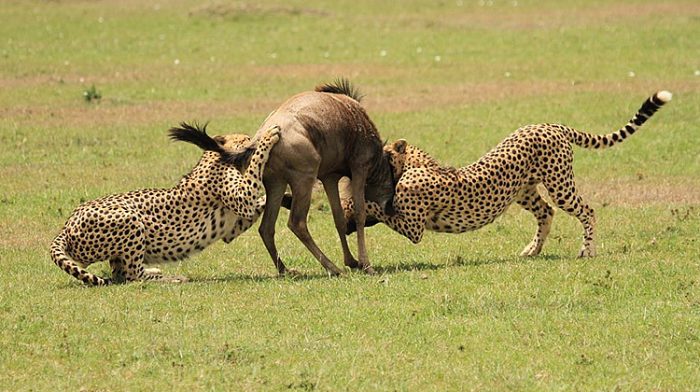
Masai Mara Safari – experience Kenya’s predator-rich plains.
-
Mombasa Beach Retreat or Wasini Island Marine Park Excursion – rest by the sea after your safari.
Here, under Kilimanjaro’s shadow, the Circle of Life continues—strong, eternal, and profoundly beautiful.
Final Thoughts – Where Life Begins and Never Ends
Amboseli is more than a park; it’s a portrait of life in motion. Every calf born, every herd moving across the plains, every matriarch leading the way reminds us of something essential—that survival depends not on strength alone, but on connection, care, and continuity.
When you stand before these elephants, watching a newborn take its first steps, you feel part of something timeless.
Book your Amboseli Elephant Safari with Woodsly Adventures and experience Africa’s most heartwarming story—the Circle of Life, told by the giants of the savannah.