Introduction – A Living Canvas Beneath Kilimanjaro
In Amboseli National Park, no two days are ever the same. One month, the plains shimmer green and the air hums with the calls of newborn calves; another, the earth glows amber under dry skies, and herds gather at the shrinking waterholes.
Every sunrise brings a new version of this landscape — a reminder that nature, like life itself, is always in motion.
Beneath Mount Kilimanjaro’s snow-capped watch, Amboseli tells its story through its seasons — a tale of resilience, adaptation, and timeless beauty.
With Woodsly Adventures, you can witness these transformations firsthand on an unforgettable Amboseli Elephant Safari, designed for travelers who want to experience the park’s full rhythm — not just the views, but the pulse of its living ecosystem.
Table of Contents
-
Understanding Amboseli’s Seasonal Cycle
-
The Long Rains – Rebirth of the Savannah
-
The Green Season – Amboseli’s Hidden Paradise
-
The Dry Season – Golden Plains and Concentrated Life
-
The Short Rains – Nature’s Gentle Awakening
-
Wildlife Patterns Through the Seasons
-
The Best Time for Photography in Amboseli
-
Safari Experiences for Every Season
-
Combining Amboseli with Other Seasonal Destinations
-
Plan Your Year-Round Safari with Woodsly Adventures
1. Understanding Amboseli’s Seasonal Cycle
Amboseli’s beauty lies in its contrasts. Despite being located in southern Kenya’s semi-arid region, it thrives under the influence of Kilimanjaro’s underground water systems. These hidden springs feed its famous marshes, ensuring wildlife never truly disappears — even in the driest months.
The park experiences two main rainy seasons and two dry spells each year:
-
Long Rains: March to May
-
Dry Season: June to October
-
Short Rains: November to December
-
Hot, short Dry Spell: January to February
Each phase transforms Amboseli in remarkable ways — changing its colors, textures, and wildlife behavior. Knowing what each season offers allows travelers to plan safaris that match their expectations, whether they seek lush greenery or concentrated wildlife action.
2. The Long Rains – Rebirth of the Savannah (March to May)
When the first rains fall in March, Amboseli exhales. The dust settles, the air cools, and life bursts forth in green abundance.
Grass sprouts across the plains almost overnight, flowers bloom, and the marshes swell with clear spring water. It’s a time of renewal — elephants bathe in deeper pools, birds return from migration, and predators thrive in the abundance of newborn prey.
The skies are often dramatic, with rolling clouds that frame Mount Kilimanjaro perfectly for photography. Though some dirt roads may become muddy, the park is quieter, offering travelers serene solitude and rare wildlife interactions.
For those who love solitude, nature’s freshness, and the scent of rain-soaked soil, the long rains reveal Amboseli’s most tender side.
3. The Green Season – Amboseli’s Hidden Paradise (May to June)
By late May, Amboseli transforms into a lush emerald paradise. This is the green season — often overlooked but incredibly rewarding.
The vegetation is vibrant, birdlife abundant, and the air carries a feeling of renewal. Calves born during the rains now explore under watchful mothers, while predators enjoy easy hunting.
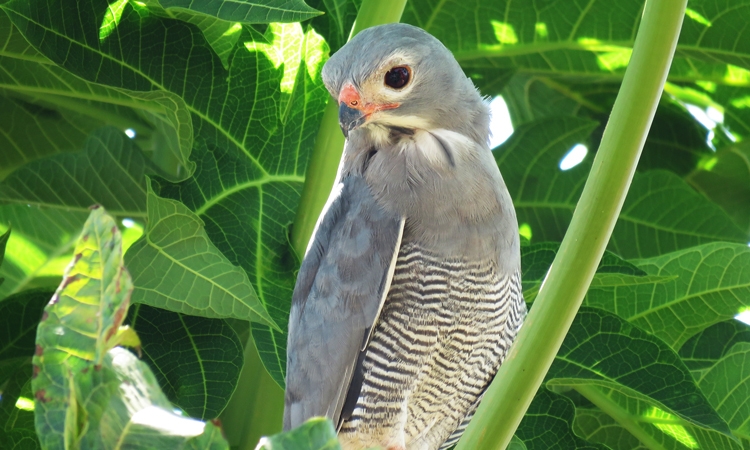
The Enkongo Narok and Ol Tukai Marshes are especially stunning during this time, reflecting Kilimanjaro’s peak in mirror-like waters. It’s also the best time for birdwatchers, as species from across Africa and beyond gather to feed and breed.
With Woodsly Adventures, visitors experience guided photography tours, where light, color, and wildlife align in perfect harmony. It’s Amboseli at its most poetic — a living watercolor painted by nature’s hand.
4. The Dry Season – Golden Plains and Concentrated Life (June to October)
The dry season is Amboseli’s most popular time for safaris — and for good reason.
As rainfall fades, grass turns golden, and wildlife converges around the park’s permanent water sources. The marshes remain green thanks to Kilimanjaro’s springs, creating dramatic contrasts against the surrounding dusty plains.
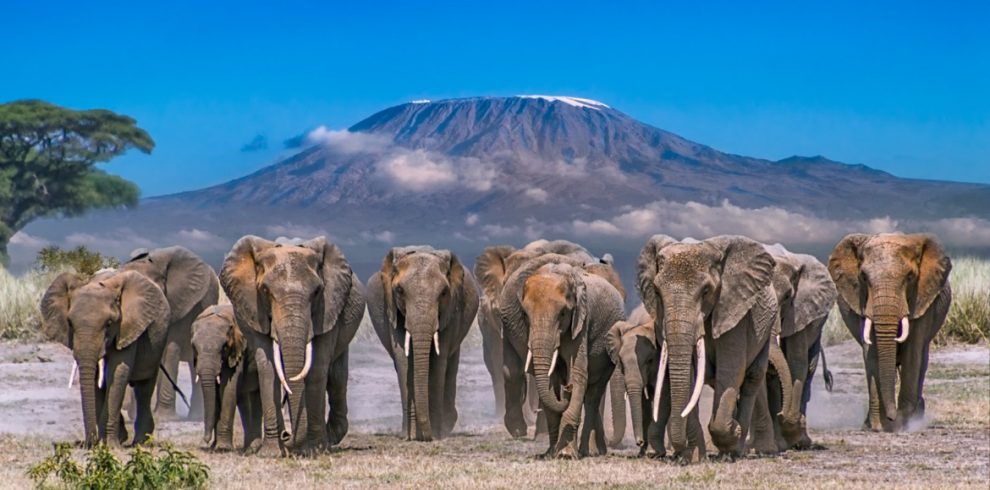
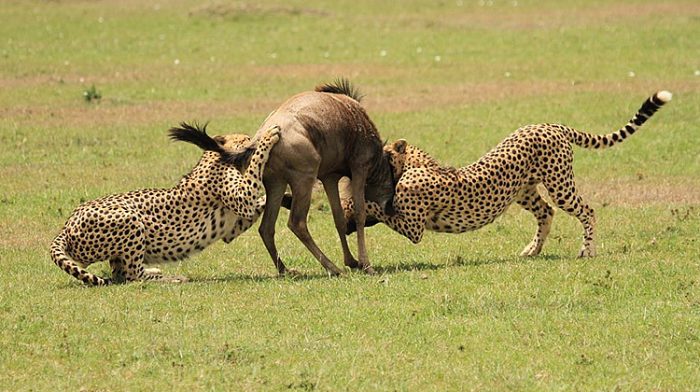
Herds of elephants, zebras, buffalo, and wildebeest gather in enormous numbers. Predators, too, follow — lions lounge in the open, cheetahs stalk through tall grass, and hyenas patrol the edges of the marshes.
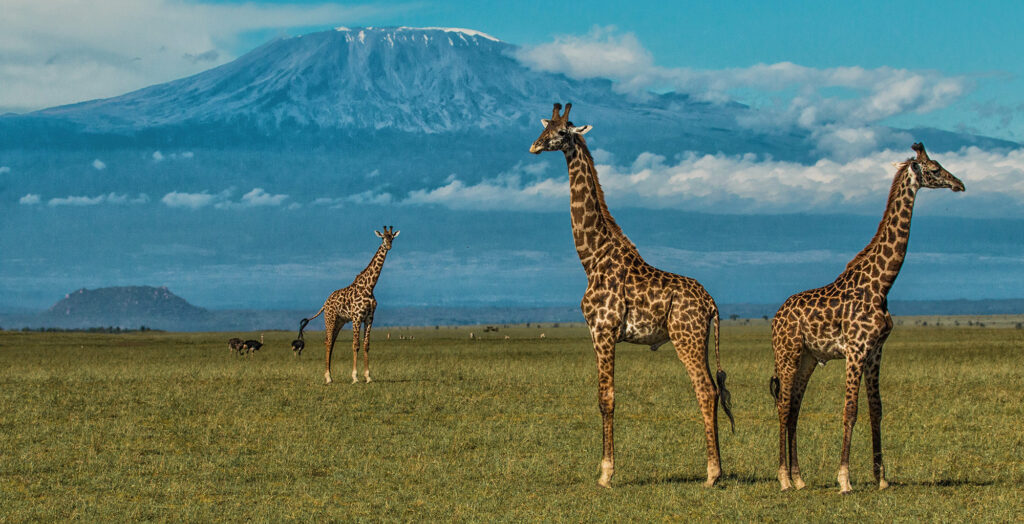
Visibility is excellent during this season. Dust clouds rising behind elephant herds create ethereal golden light perfect for photography. The clear skies also make this the ideal time to capture Kilimanjaro in full view.
For travelers seeking classic safari scenes, the dry season delivers the quintessential African experience — raw, intense, and unforgettable.
5. The Short Rains – Nature’s Gentle Awakening (November to December)
The short rains return like a soft whisper after months of dryness. A few showers are enough to revive the land — turning gold back to green and refreshing Amboseli’s air.
This is one of the most visually pleasing times to visit. The balance between dry and wet creates stunning contrasts, and the light is often softer than in the hotter months.
Animals remain abundant, and many species begin their breeding cycles again. Migratory birds return, adding color and song to the marshes.
The short rains mark the transition season, where Amboseli feels both wild and calm — perfect for travelers who want beauty without crowds.
6. Wildlife Patterns Through the Seasons
No matter the month, Amboseli never truly empties — but the way animals move and behave changes dramatically.
-
During the dry season, wildlife congregates tightly around water sources. You can easily see elephants, buffalo, and giraffes side by side.
-
During the green and rainy seasons, herds disperse across the park, grazing freely and appearing more relaxed.
-
Predators follow these patterns closely. Lions hunt more frequently near marshes in the dry months, while cheetahs prefer open plains during the wet.
-
Birdlife peaks between November and April, when migratory species arrive.
Every phase tells a new story — one of birth, survival, migration, or renewal. With Woodsly Adventures, expert guides help travelers understand these natural rhythms, turning every sighting into a deeper moment of connection.
7. The Best Time for Photography in Amboseli
Photography in Amboseli is spectacular year-round, but different seasons offer unique tones and moods.
-
Dry season: crisp visibility, golden light, dust trails behind elephants, and clear mountain views.
-
Green season: vibrant colors, reflections in marshes, and dramatic cloudscapes.
-
Long rains: rich textures, moody skies, and fewer tourists — ideal for landscape photographers.
-
Short rains: perfect balance of clarity and freshness; excellent for close-up wildlife portraits.
Woodsly Adventures offers tailored photo safaris with experienced naturalist-guides who understand Amboseli’s lighting and behavior cycles, ensuring every traveler returns home with more than pictures — with stories frozen in time.
8. Safari Experiences for Every Season
Each season in Amboseli offers its own magic, and Woodsly Adventures curates experiences to match them perfectly.
-
Green and Rainy Seasons: Ideal for photographers, couples, and those seeking tranquility. Enjoy lush landscapes and exceptional birdwatching.
-
Dry Season: Best for first-time safari-goers and families who want high wildlife density and reliable sightings.
-
Short Rains: Great for returning travelers who appreciate a balance of serenity, scenery, and wildlife.
In every season, you’ll stay in comfortable eco-lodges that blend with the landscape and enjoy guided drives through Amboseli’s signature habitats — from dusty plains to thriving marshes.
9. Combining Amboseli with Other Seasonal Destinations
Kenya’s magic lies in its diversity. When you travel with Woodsly Adventures, Amboseli becomes part of a seamless circuit that reveals the country’s many faces throughout the year.
Combine your Amboseli journey with:
-
Tsavo National Park Adventure – witness red elephants and rugged volcanic landscapes that contrast beautifully with Amboseli’s marshes.
-
Masai Mara Safari – time your visit for the Great Migration between July and October.
-
Mombasa Beach Retreat – relax by the Indian Ocean after your inland safari.
-
Wasini Island Marine Park Excursion – explore coral reefs and dolphins in Kenya’s coastal waters.
Each destination complements the others, creating a rich journey through Kenya’s ecological tapestry — from snow peaks to coral seas.
10. Plan Your Year-Round Safari with Woodsly Adventures
Amboseli is more than a place to visit — it’s a rhythm to experience. Whether in sun or storm, drought or bloom, the park reveals a side of Africa that never stops evolving.
With Woodsly Adventures, your safari is more than sightseeing — it’s storytelling. Their guides know the seasons intimately: where herds migrate, when Kilimanjaro’s peak is clearest, and how light transforms the land at dawn.
Book your Amboseli Elephant Safari and experience the park as it lives and breathes through the seasons. Then extend your adventure:
-
Chase sunsets in Tsavo,
-
Follow lions in the Masai Mara,
-
Float above Amboseli on a scenic flight, or
-
Rest on Mombasa’s white sands after your safari.
In every moment, Woodsly Adventures connects you to the essence of Kenya — a land that changes, renews, and inspires endlessly.
Final Thoughts – The Beauty of Change
The story of Amboseli is a story of balance. Rain and drought, abundance and stillness — each has its purpose, each its beauty.
To watch elephants walking across cracked earth one season, and through tall grass the next, is to understand that Africa is not static; it’s alive.
With the right guide, you don’t just visit Amboseli — you live its rhythm, one sunrise at a time.