At dawn, Amboseli glows with a soft golden light. In the distance, elephants wade knee-deep through shimmering pools, herons glide low over the reeds, and the call of a fish eagle echoes across the still air. The smell of damp earth lingers as the sun rises behind Mount Kilimanjaro.
This is Amboseli’s heart — its marshes.
They are more than just water bodies; they are the arteries of life that sustain one of Africa’s most iconic ecosystems. Without these wetlands, Amboseli would be a silent dust bowl. Instead, it thrives with elephants, buffalo, birds, and predators who depend on its green oasis year-round.
Join Woodsly Adventures on a guided Amboseli Elephant Safari and witness how the park’s marshes keep the circle of life turning beneath the mighty shadow of Kilimanjaro.
Table of Contents
-
The Origins of Amboseli’s Marshes
-
Enkongo Narok and Ol Tukai – Amboseli’s Living Hearts
-
The Role of Kilimanjaro’s Hidden Rivers
-
Elephants and the Marsh Connection
-
Birdlife of the Wetlands – A Symphony of Wings
-
Predators and Prey – The Marsh as a Stage of Survival
-
Seasonal Changes and the Marsh Cycle
-
Human and Wildlife Coexistence Around the Wetlands
-
Conservation Efforts Protecting Amboseli’s Marshes
-
Explore Amboseli’s Lifelines with Woodsly Adventures
1. The Origins of Amboseli’s Marshes
Amboseli’s marshes are geological wonders. Though the park itself lies in a semi-arid region of southern Kenya, it stays surprisingly lush year-round because of underground water flowing down from Mount Kilimanjaro.
This ancient volcanic mountain, just across the border in Tanzania, acts like a natural reservoir. Rain and melting glacier water seep into porous volcanic rock and travel underground, resurfacing within Amboseli as freshwater springs.
These springs feed the Enkongo Narok, Ol Tukai, and Longinye marshes — wetlands that support thousands of animals. The result is an oasis surrounded by dry savannah, where life congregates and flourishes even in the harshest dry seasons.
2. Enkongo Narok and Ol Tukai – Amboseli’s Living Hearts
The two main wetlands — Enkongo Narok Swamp and Ol Tukai Swamp — are Amboseli’s lifelines.
Enkongo Narok, located near Observation Hill, is a magnet for elephants, hippos, and buffalo. Visitors often see entire herds submerged up to their bellies, cooling off as egrets perch on their backs. The scene is peaceful yet alive with constant motion — water rippling, wings flapping, and trunks spraying fountains into the air.
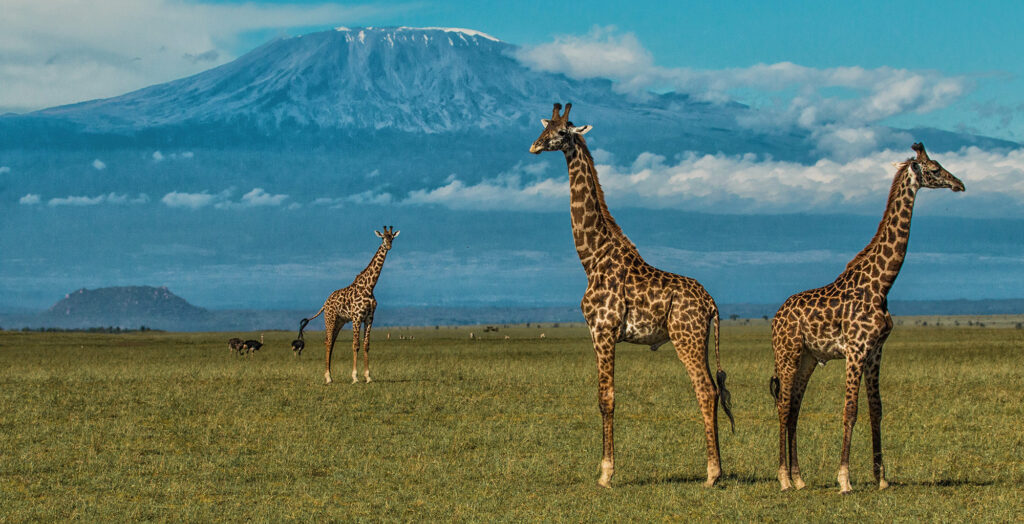
Ol Tukai, near many of Amboseli’s lodges, serves as both a sanctuary for wildlife and a scenic haven for travelers. It’s the most accessible of the marshes, offering breathtaking views of animals against the backdrop of Mount Kilimanjaro.
These marshes not only feed animals but also shape Amboseli’s rhythm — dictating migration routes, birthing seasons, and feeding patterns.
3. The Role of Kilimanjaro’s Hidden Rivers
Though Amboseli has no visible rivers flowing into it, its lifeblood lies underground. The Kilimanjaro aquifer system channels freshwater through porous lava rock, emerging in springs across the park.
The water is pure, cold, and constant — flowing year-round even when the plains above turn brown and dusty. This unique hydrology creates a natural contrast: the lush green of the swamps beside the parched plains.
For elephants, buffalo, and hundreds of bird species, these springs are essential for survival. The underground rivers of Kilimanjaro are an invisible connection between two of Africa’s greatest icons — the mountain and the savannah.
4. Elephants and the Marsh Connection
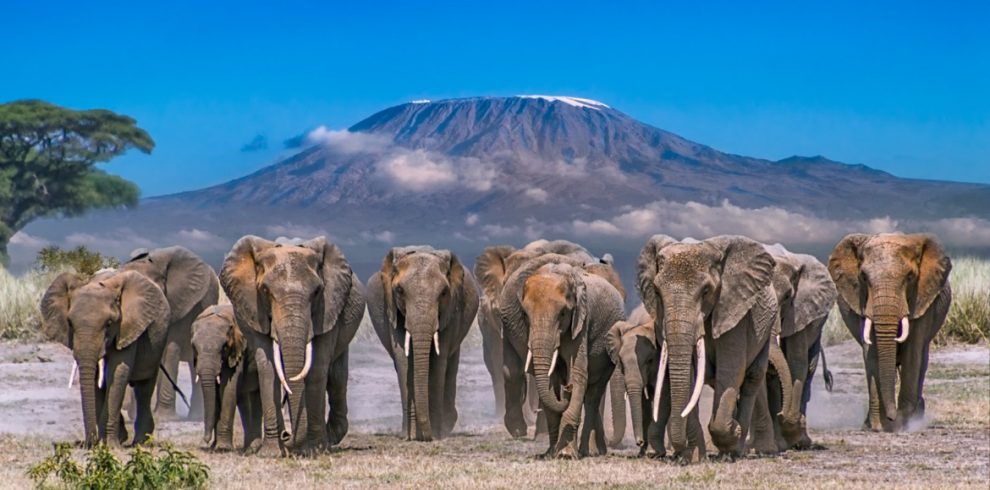
Amboseli’s elephants are inseparable from its marshes.
During the hottest months, they spend hours immersed in water, cooling off and feeding on aquatic vegetation. Their massive presence helps maintain the marsh ecosystem — trampling dense reeds, opening channels, and creating space for smaller animals and birds.
Calves splash and play under their mothers’ watchful eyes, while older bulls wallow and coat themselves in mud to protect their skin from insects and sunburn.
It’s no coincidence that Amboseli’s elephant population has remained strong despite Kenya’s dry climate. The marshes are their refuge — the reason Amboseli remains one of the best places in the world to observe elephants in natural, relaxed behavior.
With Woodsly Adventures, visitors get to see these interactions respectfully and up close, guided by experts who know where the herds gather daily.
5. Birdlife of the Wetlands – A Symphony of Wings
Amboseli’s marshes are also a paradise for birdwatchers.
The abundance of water attracts over 400 bird species, from graceful herons and egrets to dazzling kingfishers and rollers. Seasonal rains transform the area into a festival of color and sound.
Key species include:
-
African Fish Eagle – often perched in acacia trees near the water.
-
Crowned Crane – elegant and proud, dancing in pairs through the reeds.
-
Jacanas – light-footed birds walking across floating vegetation.
-
Pelicans and spoonbills – feeding in coordinated lines.
-
Flamingos – occasionally arriving when the water salinity shifts.
The marshes’ calm reflections and vibrant skies make Amboseli a dream for photographers and nature lovers alike. Whether you’re an avid birder or a casual observer, every moment here feels like nature’s orchestra in full performance.
6. Predators and Prey – The Marsh as a Stage of Survival
Life around Amboseli’s wetlands is a constant dance between hunter and hunted.
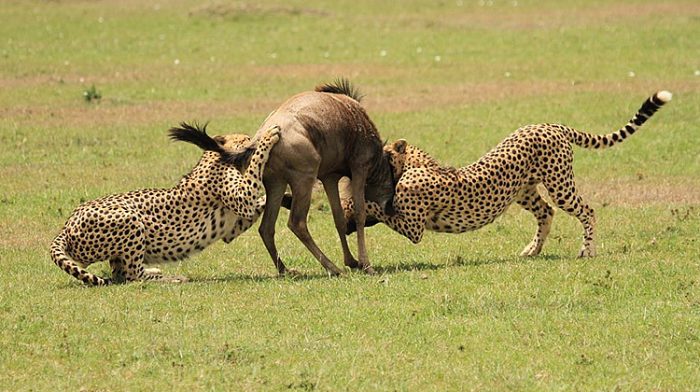
Lions, hyenas, and cheetahs often patrol the marsh edges, where gazelles and zebras come to drink. The tall grasses conceal ambushes, while open water provides brief safety for prey that can reach it in time.
For predators, the marsh is both opportunity and challenge. The thick mud slows their chase, but the abundance of life ensures that food is never far away.
Watching these moments — a lion’s silent stalk, a herd’s nervous drink, a standoff at sunset — reminds visitors that Amboseli’s beauty is balanced by the raw reality of nature’s cycle.
7. Seasonal Changes and the Marsh Cycle
The marshes’ appearance changes dramatically with the seasons.
-
During the rainy months (November–May): Amboseli turns into a green paradise. Water overflows the marshes, birds flock from across Africa, and newborn animals thrive in abundance.
-
In the dry season (June–October): The surrounding plains fade to gold and grey, concentrating wildlife around the remaining pools. This is the best time for game viewing, as thousands of animals gather near the wetlands.
Regardless of the season, the marshes never completely dry up — they remain constant, offering life even when the land around them seems lifeless.
For travelers with Woodsly Adventures, these seasonal shifts are part of the experience. Each visit feels new, shaped by light, color, and sound unique to that moment in time.
8. Human and Wildlife Coexistence Around the Wetlands
The communities living around Amboseli — primarily the Maasai people — have long understood the importance of water. Their coexistence with wildlife reflects a deep respect for the land’s rhythms.
Water sources like the Amboseli marshes are shared carefully, guided by tradition and necessity. The Maasai often graze their cattle near the park’s peripheries, avoiding direct competition with wildlife inside the protected area.
Tourism brings additional benefits: sustainable income, conservation awareness, and infrastructure that support both people and animals. Through partnerships with responsible tour operators like Woodsly Adventures, local communities become active protectors of the marsh ecosystem.
9. Conservation Efforts Protecting Amboseli’s Marshes
Amboseli’s wetlands are fragile. Rising temperatures, overgrazing outside park boundaries, and unpredictable rainfall patterns threaten the delicate water balance.
Thankfully, conservation efforts led by the Kenya Wildlife Service (KWS) and the Amboseli Ecosystem Trust focus on protecting these marshes through:
-
Sustainable water management
-
Habitat restoration
-
Anti-poaching patrols
-
Research collaboration with the Amboseli Elephant Research Project
By visiting through ethical operators such as Woodsly Adventures, travelers directly support these initiatives. Every booking contributes to maintaining Amboseli’s lifelines — ensuring the marshes continue to nourish the land, its wildlife, and its people.
10. Explore Amboseli’s Lifelines with Woodsly Adventures
To understand Amboseli, you must understand its marshes. They are where elephants meet egrets, where lions hunt zebras, and where life persists against all odds.
With Woodsly Adventures, you’ll experience Amboseli beyond the surface — guided through the wetlands that define its soul.
The Amboseli Elephant Safari includes dedicated visits to Enkongo Narok and Ol Tukai, expert naturalist briefings, and photography opportunities at sunrise and sunset.
For travelers seeking a complete Kenyan adventure, combine your Amboseli safari with:
-
Tsavo National Park Adventure – explore red elephants and rugged terrain.
-
Masai Mara Safari – experience the Great Migration.
-
Wasini Island Marine Park Excursion – dive into coral gardens and dolphin-rich waters.
-
Mombasa Beach Retreat – unwind by the Indian Ocean after your safari.
From mountain to marsh, from savannah to sea, every journey with Woodsly Adventures is connected — just like Amboseli’s hidden waters.
Final Thoughts – Where Life Finds a Way
Amboseli’s marshes are more than just places on a map — they are living symbols of endurance, harmony, and interdependence.
Here, water gives life, elephants give shape, and travelers gain understanding. Watching a herd reflected in still marsh water under Kilimanjaro’s snow-capped peak is an experience that stays with you forever.
Book your Amboseli Elephant Safari with Woodsly Adventures and discover the heart that keeps the savannah alive — the magnificent, eternal marshes of Amboseli.