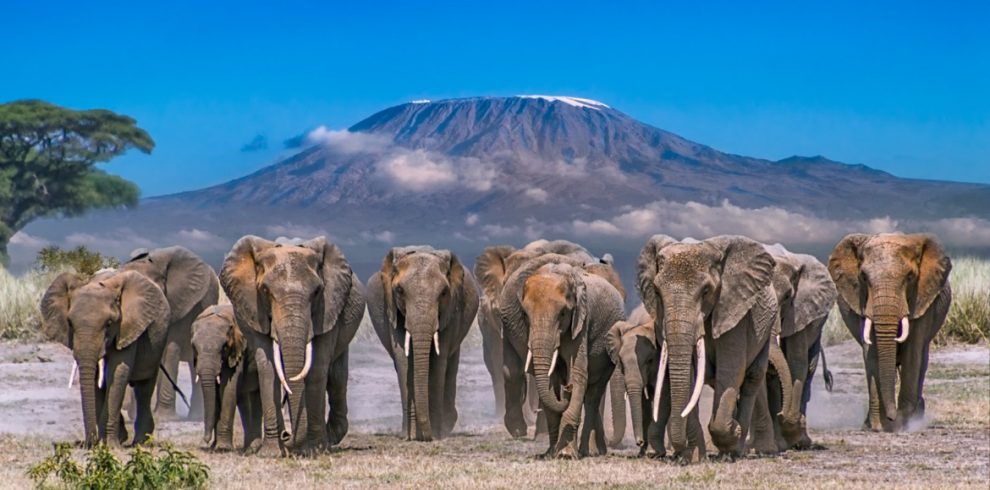
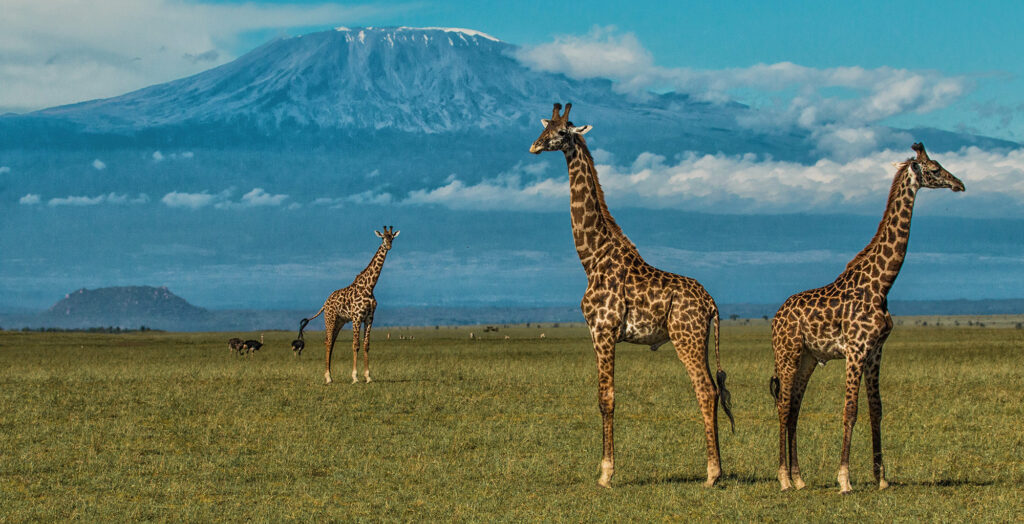
In the heart of southern Kenya lies Amboseli National Park, where elephants roam freely against the towering silhouette of Mount Kilimanjaro. This breathtaking landscape has inspired travelers, photographers, and conservationists for decades. Yet, beyond its beauty lies a truth that cannot be ignored — Amboseli’s future depends on balance.
As tourism grows, so do the challenges. Climate change threatens the swamps that sustain life here. Expanding human settlements pressure wildlife corridors. Without sustainable practices, the paradise we admire today could fade tomorrow.
That is why Woodsly Adventures believes that every safari should be more than a journey — it should be a commitment to preservation. By promoting eco-friendly travel and supporting local communities, Woodsly ensures that Amboseli’s wildlife, culture, and ecosystems thrive for generations to come.
Table of Contents
-
Understanding Amboseli’s Ecological Importance
-
The Challenges Facing Amboseli Today
-
What “Sustainable Safari” Really Means
-
Woodsly Adventures’ Commitment to Responsible Tourism
-
Eco-Friendly Lodges and Low-Impact Travel
-
Supporting Local Communities and the Maasai People
-
Wildlife Conservation and the Elephant Connection
-
How Travelers Can Make a Positive Impact
-
Connecting Sustainable Travel Across Kenya
-
Plan Your Ethical Safari with Woodsly Adventures
1. Understanding Amboseli’s Ecological Importance
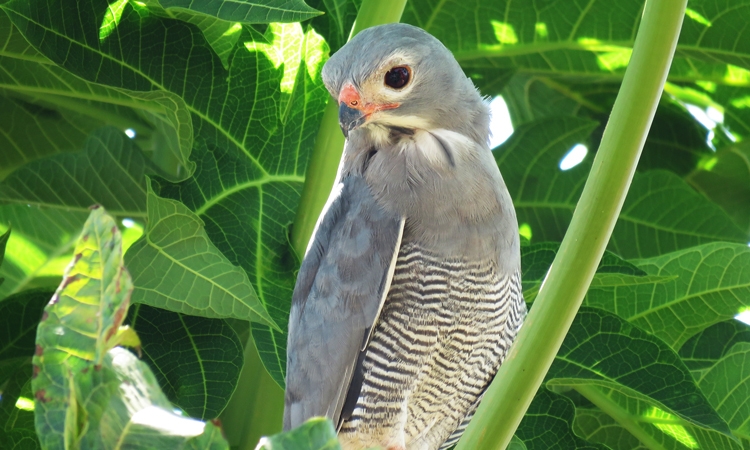
Amboseli is one of Africa’s most diverse ecosystems despite its relatively small size. Its semi-arid plains, wetlands, and acacia woodlands support an incredible variety of wildlife — from elephants and lions to over 400 bird species.
The park also plays a crucial ecological role as part of a wider migration corridor between Kenya and Tanzania. Animals move freely between Amboseli, Tsavo, and other neighboring reserves, maintaining the delicate balance of nature that sustains them.
These landscapes are more than scenic views — they’re living systems that regulate water flow, provide grazing grounds, and sustain human livelihoods. Protecting Amboseli means protecting the lifeline of both wildlife and people.
2. The Challenges Facing Amboseli Today
Despite its beauty, Amboseli faces mounting threats.
-
Climate Change: Irregular rainfall and rising temperatures affect water availability, altering migration patterns and vegetation.
-
Habitat Encroachment: Expanding agriculture and infrastructure reduce wildlife corridors essential for free movement.
-
Mass Tourism: Overcrowded game drives and poorly managed tourism can disrupt animal behavior and degrade the environment.
-
Human-Wildlife Conflict: As communities grow closer to park borders, competition for water and grazing land can create tension.
Sustainability is no longer optional — it’s essential. Without conscious effort, Amboseli’s unique balance could be lost.
This is where Woodsly Adventures stands out — by rethinking what tourism means and focusing on travel that benefits, not burdens, this fragile environment.
3. What “Sustainable Safari” Really Means
A sustainable safari is about minimizing harm while maximizing good. It’s about ensuring that your presence contributes to conservation, not exploitation.
In Amboseli, sustainability means:
-
Reducing waste and pollution within the park.
-
Supporting lodges that use renewable energy and eco-friendly construction.
-
Traveling with operators who employ and empower local people.
-
Respecting wildlife — keeping a safe distance and following ethical viewing practices.
When done right, tourism becomes a force for good — funding conservation, supporting education, and protecting cultural heritage.
4. Woodsly Adventures’ Commitment to Responsible Tourism
At Woodsly Adventures, sustainability is woven into every safari. The company designs small-group and private itineraries that minimize environmental impact while maximizing cultural respect and conservation value.
Every Amboseli tour follows strict eco-guidelines — from waste reduction to energy-efficient transportation. Vehicles are maintained for low emissions, and lodges are selected based on sustainable operations and fair labor practices.
Woodsly also partners with local conservation organizations that monitor elephant populations and protect wildlife corridors. A portion of every booking supports these initiatives, ensuring travelers directly contribute to Amboseli’s preservation.
In short, when you travel with Woodsly Adventures, you’re not just seeing Amboseli — you’re helping save it.
5. Eco-Friendly Lodges and Low-Impact Travel
Luxury and sustainability coexist beautifully in Amboseli. Many lodges within and around the park operate on eco-friendly principles without compromising comfort.
Solar power, rainwater harvesting, and natural cooling systems reduce energy consumption. Waste is recycled or composted, and menus feature locally sourced ingredients to minimize transport emissions.
Some properties even run wildlife rehabilitation programs or community education initiatives. Woodsly Adventures carefully chooses these lodges to ensure every stay aligns with environmental ethics.
Examples of sustainable practices include:
-
Plastic-Free Operations: Refillable water bottles and biodegradable materials.
-
Eco-Architecture: Using natural materials that blend with the landscape.
-
Conservation Contributions: Each guest night funds wildlife protection.
This approach ensures guests experience Amboseli’s wild elegance responsibly — proof that travel can be both indulgent and ethical.
6. Supporting Local Communities and the Maasai People
Sustainability extends beyond the environment. True conservation must also uplift the people who share the land with wildlife.
The Maasai community plays a vital role in Amboseli’s stewardship. Their traditional knowledge of grazing patterns and coexistence with animals has helped preserve the ecosystem for generations.
Woodsly Adventures supports community-based tourism projects that empower Maasai families through fair trade and direct income. Guests can visit villages ethically, purchase handmade crafts, and learn about ancient traditions without exploitation.
Funds from these programs support schools, water projects, and healthcare — ensuring tourism provides tangible benefits. When you travel this way, you’re not just observing culture; you’re sustaining it.
For travelers interested in deeper cultural immersion, combining Amboseli with the Masai Mara Safari allows you to experience Maasai heritage across regions, understanding both the challenges and triumphs of modern coexistence.
7. Wildlife Conservation and the Elephant Connection
Amboseli’s elephants are among the most studied in the world — icons of resilience and intelligence. Yet they remain vulnerable to poaching, habitat loss, and climate change.
Woodsly Adventures works with conservation partners to protect these giants by supporting anti-poaching units and research initiatives that monitor elephant behavior.
By choosing responsible tourism, travelers help fund these efforts. Your safari becomes part of a global mission to protect one of nature’s greatest species.
For those who want to deepen their conservation experience, a combined Tsavo National Park Adventure showcases different elephant populations and landscapes, offering a broader understanding of Kenya’s conservation network.
8. How Travelers Can Make a Positive Impact
Every traveler can play a role in protecting Amboseli. Here are some ways to make your safari truly sustainable:
-
Travel Lightly: Bring reusable bottles, bags, and toiletries. Avoid single-use plastics.
-
Choose Ethical Operators: Book with responsible companies like Woodsly Adventures that support conservation and community initiatives.
-
Respect Wildlife: Observe quietly, never feed animals, and maintain a respectful distance.
-
Support Local Economies: Buy handmade crafts directly from artisans rather than mass markets.
-
Stay in Eco-Lodges: Prioritize accommodations with sustainable practices.
-
Educate and Advocate: Share your experience to inspire others to travel responsibly.
Sustainable travel is not about sacrifice — it’s about mindfulness. Every choice, from your lodge to your souvenir, can protect Amboseli’s heritage.
9. Connecting Sustainable Travel Across Kenya
Sustainability doesn’t stop at Amboseli’s borders. Kenya’s diverse ecosystems — from savannahs to coral reefs — are all interconnected.
After exploring Amboseli, extend your journey responsibly with:
-
The Masai Mara Safari for ethical wildlife encounters and community visits.
-
The Mombasa Beach Retreat for eco-friendly coastal relaxation.
-
The Wasini Island Marine Park Excursion for marine conservation experiences, including coral reef preservation and dolphin monitoring.
Each Woodsly Adventures itinerary is designed to minimize carbon footprint while maximizing positive impact. This interconnected approach ensures that every kilometer of your journey contributes to Kenya’s long-term environmental health.
10. Plan Your Ethical Safari with Woodsly Adventures
Amboseli’s beauty is timeless — but its survival depends on the choices we make today. The elephants, the wetlands, and the Maasai communities all share one fragile ecosystem. Sustainable tourism ensures that this harmony endures.
When you choose Woodsly Adventures, you’re choosing a safari company that believes luxury and responsibility can walk hand in hand. You’re supporting conservation, empowering local people, and experiencing Kenya in a way that respects its soul.
A sustainable safari isn’t just about seeing wildlife — it’s about joining a movement that keeps the wild alive.
Call to Action
Travel with purpose. Book your Amboseli Elephant Safari with Woodsly Adventures today and become part of the story protecting Kenya’s wild future.