Navigating the vast landscapes of Kenya’s national parks is an unparalleled experience that safari-goers cherish. From the renowned Masai Mara to the expansive Tsavo and scenic Amboseli, understanding the best time to visit these parks is key to a fulfilling safari experience. This article delves into each park’s seasonal dynamics, wildlife wonders, and cultural significance.
The Unique Allure of Masai Mara
Masai Mara, often synonymous with the Great Migration, offers a breathtaking spectacle of wildebeests crossing the Mara River. This chapter explores the timing and significance of this natural wonder and explains why July to October is ideal for witnessing the migration. Learn about the ecosystem, the indigenous Maasai people, and how they coexist with the wildlife.
Discovering the Vastness of Tsavo National Park
Transitioning from the unique spectacle offered by Masai Mara, we journey into the heart of Tsavo National Park. This expansive savanna is a landscape of contrasts, from the rugged terrain of the Yatta Plateau, stretching over 290 km to become the world’s longest lava flow, to the serene waters of Lugard Falls carving through volcanic rock. Tsavo is bifurcated into East and West sections by the A109 road and a railway, each offering distinct natural wonders and wildlife spectacles. A profound historical and archaeological significance shadows the area, with evidence of early man’s activities and the infamous tales of the Maneaters of Tsavo echoing through the savannah. The optimal viewing periods, June to October and January to February, steer clear of the heavy rains, paving the way for unsurpassed game-viewing expeditions. The arid environment of Tsavo West contrasts sharply with the more lush landscapes of Tsavo East, providing a comprehensive safari experience. Much like the transitioning herds in Masai Mara, Tsavo’s dry-season brings forth a vivid tableau of wildlife congregating around the remaining water sources, offering a different yet equally compelling narrative of survival and beauty in the Kenyan wilderness.
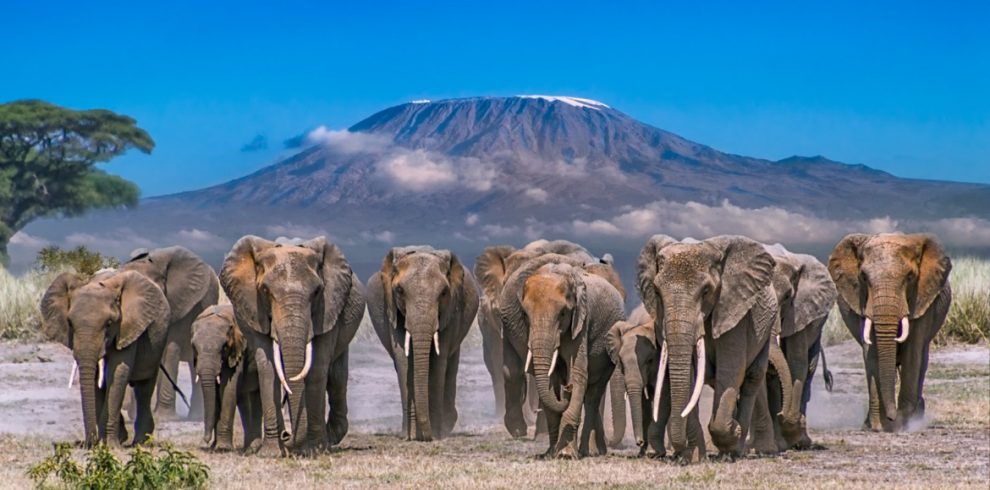
As we shift our gaze from the expansive vistas of Tsavo, the majestic peaks of Mount Kilimanjaro beckon us towards Amboseli National Park. Here, the narrative changes from the vastness of the savanna to an intimate portrayal of elephant herds against the backdrop of towering mountains, setting the stage for the next chapter of our Kenyan safari adventure.
Amboseli National Park and the Majestic Elephants
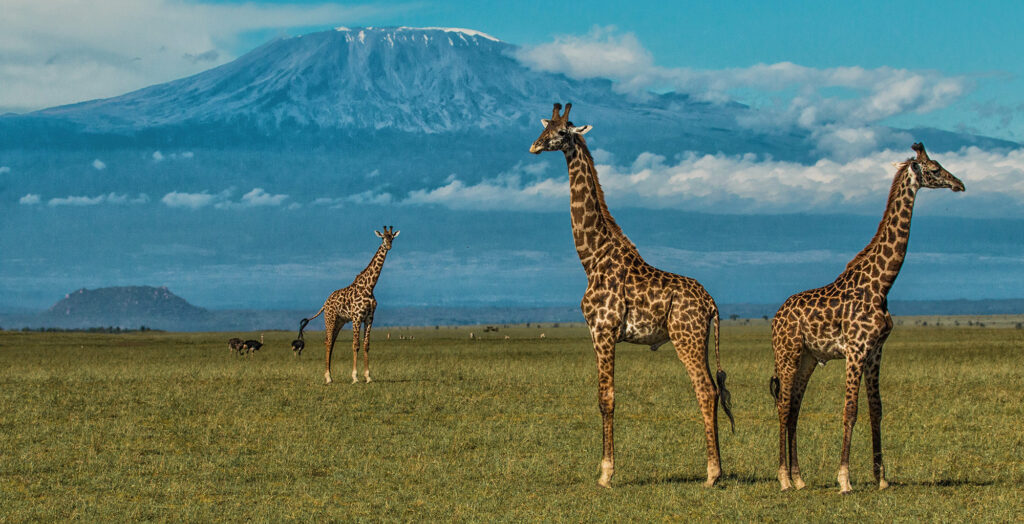
As a backdrop to the stunning views of Mount Kilimanjaro, Amboseli National Park is famed for its elephant herds. This chapter details the best vantage points, including the perennial swamps that create a game-viewing haven. Highlight the November to May rainy season and its impact on wildlife visibility and bird watching opportunities.
Integrating Culture and Conservation in Kenya’s Wildlife Havens
Following the fascinating journey through the Amboseli National Park and its majestic elephant herds against the backdrop of Mount Kilimanjaro, we delve deeper into the harmonious relationship between indigenous cultures and conservation efforts across Kenya’s stunning wildlife sanctuaries. This interconnection is vividly showcased through community-driven tourism models in the Masai Mara, Tsavo National Park, and Amboseli National Park, highlighting how sustainable tourism fosters not only wildlife protection but also cultural preservation.
Visitors have a unique opportunity to contribute to this balance, ensuring their safari adventures support the very essence of what makes Kenya’s national parks world-renowned. By choosing experiences that respect and involve local communities, tourists play a part in nurturing an environment where wildlife thrives and traditional ways of life are safeguarded. This approach underpins an enriching safari experience, available all-year-round, by emphasizing respect for natural habitats and the people who have historically coexisted with Kenya’s diverse wildlife.
In this context, the enchanting landscapes of Kenya are more than just a destination; they become a space where the goals of conservation and cultural integrity converge, offering visitors a profound connection to the earth and its inhabitants. Through engaging in respectful, informed tourism practices, every traveler to Kenya’s national parks can contribute to a legacy of conservation and cultural appreciation, ensuring these wonders persist for generations to come.
Conclusions
Kenya’s national parks offer a dynamic mix of wildlife, culture, and natural beauty, each with its ideal visiting times to maximize the safari experience. From the Great Migration in Masai Mara to the iconic elephants of Amboseli, understanding each park’s seasonal and cultural attributes is essential for planning an unforgettable safari. Embracing both the dry and rainy seasons further enriches the travel narrative.