Introduction – The Song of the Savannah
At dawn in Amboseli, the first sounds you hear are not the thunder of elephants or the rustle of lions — they are the songs of birds. The sweet calls of weaverbirds weave through the acacia branches, crowned cranes trumpet across the wetlands, and fish eagles let out their piercing cry over the mirror-like waters.
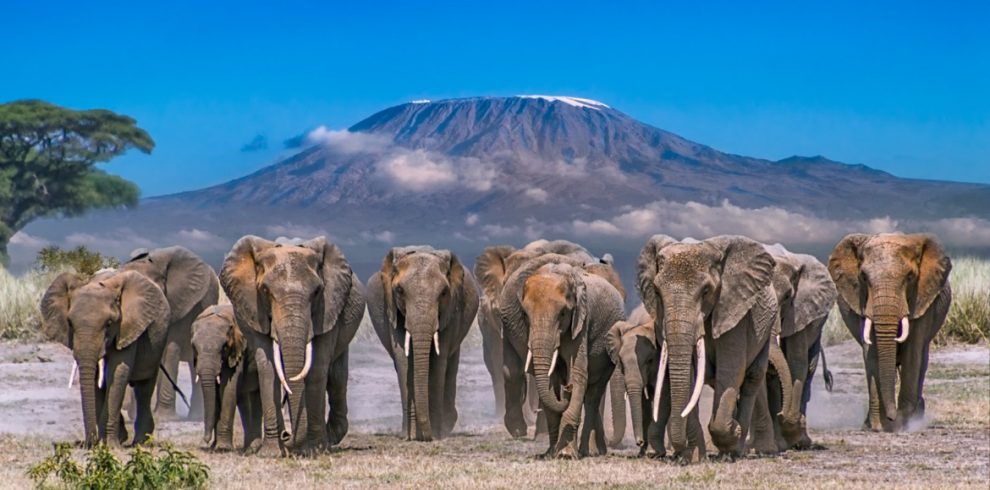
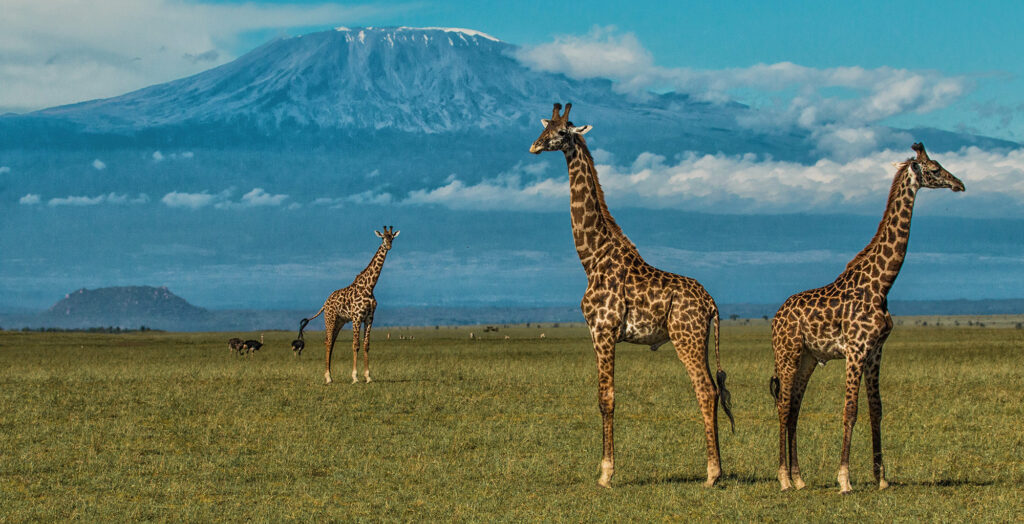
Amboseli may be famous for its elephants and the towering view of Mount Kilimanjaro, but for those who listen closely, it is also a paradise for birdwatchers. Over 400 bird species call this park home, making it one of Kenya’s most rewarding destinations for birding safaris.
With Woodsly Adventures, travelers discover Amboseli not just through its giants, but through the fluttering, vibrant life that fills its skies.
Table of Contents
-
Amboseli: More Than Elephants
-
Why Amboseli Is a Birdwatcher’s Haven
-
The Wetlands – Life Among the Reeds
-
The Savannah Birds – Colors of the Dry Plains
-
Rare and Migratory Species in Amboseli
-
Flamingos and Waterbirds – Dancing on Reflections
-
Photography Tips for Bird Lovers
-
Combining Birdwatching with Other Safari Experiences
-
Planning Your Amboseli Birding Safari with Woodsly Adventures
-
Conclusion – Listening to the Language of the Wild
1. Amboseli: More Than Elephants
While most travelers come to Amboseli to witness the famous elephants walking beneath Mount Kilimanjaro, few realize that the same landscapes that attract giants also host an extraordinary diversity of birdlife.
From dusty plains to lush marshes, every corner of the park hums with activity. Lilac-breasted rollers flash bright colors as they swoop between acacias. Secretary birds stride gracefully through the grass in search of snakes. Overhead, vultures circle patiently while starlings shimmer in the sun.
This is the secret side of Amboseli — a world of wings, calls, and motion that adds color and sound to the park’s timeless beauty.
2. Why Amboseli Is a Birdwatcher’s Haven
The diversity of Amboseli’s habitats makes it an ideal destination for birding enthusiasts. The park lies in an ecological crossroads between dry savannah and wetland, offering both resident and migratory species abundant opportunities to thrive.
Here’s why birdwatchers from around the world love Amboseli:
-
High Diversity: Over 400 recorded species, including rare endemics and seasonal migrants.
-
Accessibility: The open plains and low vegetation make bird spotting remarkably easy.
-
Water and Marshes: Permanent wetlands attract large concentrations of waterfowl.
-
Guided Expertise: Safari guides from Woodsly Adventures are trained naturalists who know where to find both common and elusive species.
Whether you’re an experienced birder or a curious traveler with binoculars, Amboseli offers endless surprises.
3. The Wetlands – Life Among the Reeds
At the heart of Amboseli lies its beating heart — the swamps and marshes fed by underground rivers from Mount Kilimanjaro. These waters sustain life even in the driest months, making them the perfect refuge for birds.
The Enkongo Narok Swamp and Ol Tukai Lagoon are among the best spots for birdwatching. Here, flocks of egrets, herons, and storks gather in the shallows, while jacanas walk delicately across lily pads.
Kingfishers dive into the mirror-like waters, returning with silver flashes of fish in their beaks. Reed warblers sing from hidden perches, and African fish eagles dominate the airspace, their calls echoing across the marsh.
It’s a symphony of life and sound — one that makes even the quietest observer fall in love with Kenya’s wetlands.
4. The Savannah Birds – Colors of the Dry Plains
Beyond the wetlands, Amboseli’s dry grasslands and acacia woodlands host an entirely different community of birds. These are the survivors of the heat and dust, adapted to thrive in open terrain.
Some of the most recognizable include:
-
Lilac-breasted Roller: Kenya’s national bird, famous for its dazzling blue, green, and purple plumage.
-
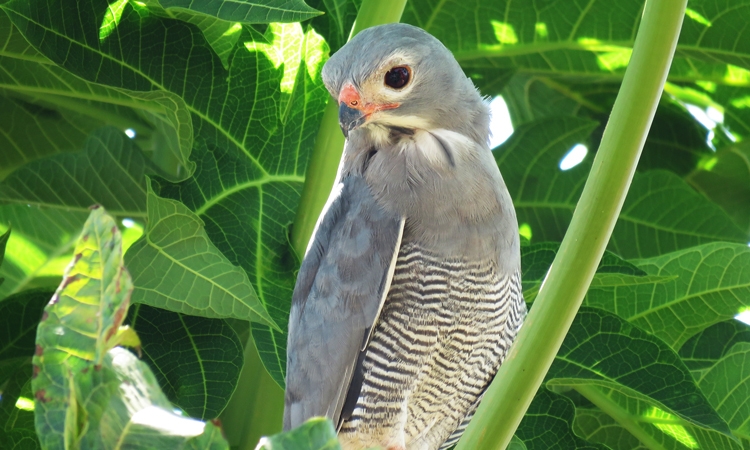
Secretary Bird: A tall, elegant raptor that hunts snakes and small mammals on foot.
-
Kori Bustard: Africa’s heaviest flying bird, often seen strutting across the plains.
-
Yellow-necked Spurfowl: Often spotted near lodges and roadsides, adding a splash of color to the landscape.
-
Hornbills and Bee-eaters: Their distinct calls and bright colors make them easy favorites for photographers.
Each species plays a role in the ecosystem — from controlling insects to spreading seeds — proving that even the smallest creatures are vital to Amboseli’s balance.
5. Rare and Migratory Species in Amboseli
For keen birdwatchers, Amboseli offers rare treasures. During the migratory season, which runs roughly from October to April, the park becomes a temporary home for species traveling thousands of kilometers from Europe and Asia.
Among these are:
-
European Bee-eaters
-
Steppe Eagles
-
Northern Wheatears
-
White Storks
Meanwhile, resident rarities like the Taveta Golden Weaver and Grey Crowned Crane make Amboseli particularly special for those seeking to add unique species to their birding lists.
With expert guidance from Woodsly Adventures, you’ll know exactly where to look — whether it’s a weaver’s nest hidden among reeds or a rare falcon gliding silently overhead.
6. Flamingos and Waterbirds – Dancing on Reflections
When the sun hits the shallow lakes of Amboseli, they transform into a stage of light and motion. Flamingos, pelicans, and Egyptian geese gather in graceful formation, their reflections perfectly mirrored in the calm waters.
The sight of flamingos feeding — their necks bent, their pink plumage glowing against Kilimanjaro’s backdrop — is among Africa’s most photogenic scenes.
Amboseli’s waterbirds are as varied as they are abundant. You might spot:
-
African Spoonbills wading through the shallows.
-
White-faced Whistling Ducks moving in rhythmic harmony.
-
Great and Little Egrets displaying snowy elegance.
-
Open-billed Storks feeding side by side with ibises.
Every wetland in Amboseli feels like its own ecosystem — alive, musical, and endlessly fascinating.
7. Photography Tips for Bird Lovers
Bird photography in Amboseli is as rewarding as it is challenging. The key lies in understanding light, patience, and positioning — all of which your Woodsly Adventures guides help you master.
Tips for capturing Amboseli’s birds:
-
Use early morning light: Birds are most active, and the golden tones bring out plumage details.
-
Focus on behavior: A bird in flight, feeding, or interacting tells a richer story than a static portrait.
-
Keep silent and still: Amboseli’s birds respond to calm energy.
-
Include the landscape: Framing birds against Kilimanjaro or the wetlands adds depth and sense of place.
Whether using a DSLR or a smartphone, you’ll leave Amboseli with images that feel alive — moments of stillness caught between wings.
8. Combining Birdwatching with Other Safari Experiences
One of the joys of an Amboseli birding safari is how easily it blends with other wildlife adventures.
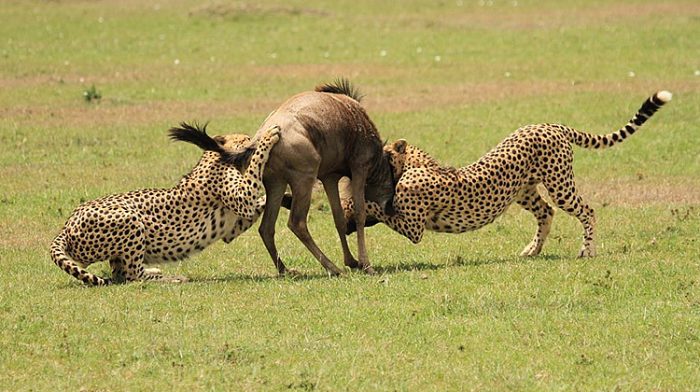
While watching a lilac-breasted roller, you might suddenly notice elephants emerging from the marsh. As you follow a heron’s flight, you might spot a lion resting in the shade. Amboseli is that kind of place — where birds and mammals share the same rhythm of life.
Many travelers choose to extend their birdwatching trips to explore Kenya’s diverse habitats through Woodsly Adventures’ curated itineraries:
-
Tsavo National Park Adventure: Red dust landscapes and raptors.
-
Masai Mara Safari: Grassland species and migration birds.
-
Mombasa Beach Retreat: Coastal mangrove birds and seabirds.
-
Wasini Island Marine Park Excursion: Oceanic birdlife and coral-reef ecosystems.
These combinations turn your Kenya journey into a complete mosaic of landscapes and life — from the highland skies to the Indian Ocean breeze.
9. Planning Your Amboseli Birding Safari with Woodsly Adventures
Booking a birdwatching safari with Woodsly Adventures means every moment is designed for discovery. Each trip is led by seasoned naturalists who combine passion with precision, ensuring travelers see both the famous and the hidden.
Your Amboseli Birding Safari includes:
-
Guided birdwatching drives and walks through key habitats.
-
Comfortable eco-lodges near prime birding areas.
-
High-quality binoculars and spotting scopes (on request).
-
Flexible itineraries for photography, leisure, or scientific observation.
-
Optional visits to Maasai villages to learn about cultural coexistence with nature.
Whether you’re chasing a rare sighting or simply soaking in the beauty of Kenya’s skies, Woodsly Adventures provides the expertise and hospitality to make it unforgettable.
Visit the official Woodsly Adventures website to explore all available safari packages and begin your journey into Amboseli’s avian paradise.
10. Conclusion – Listening to the Language of the Wild
As the sun sets over Amboseli, the air fills with sound — the evening chorus of crickets, the whoop of hyenas in the distance, and above all, the quiet flutter of wings returning home.
In that golden hour, you realize that the birds of Amboseli are not just ornaments of the landscape; they are its voice. They remind us that beauty thrives in diversity, and that every song, every color, and every flight carries the essence of wild Africa.
Through the eyes of Woodsly Adventures, birdwatching becomes more than an activity — it becomes a way of seeing life itself.
Amboseli’s skies are waiting. All you need to do is look up.