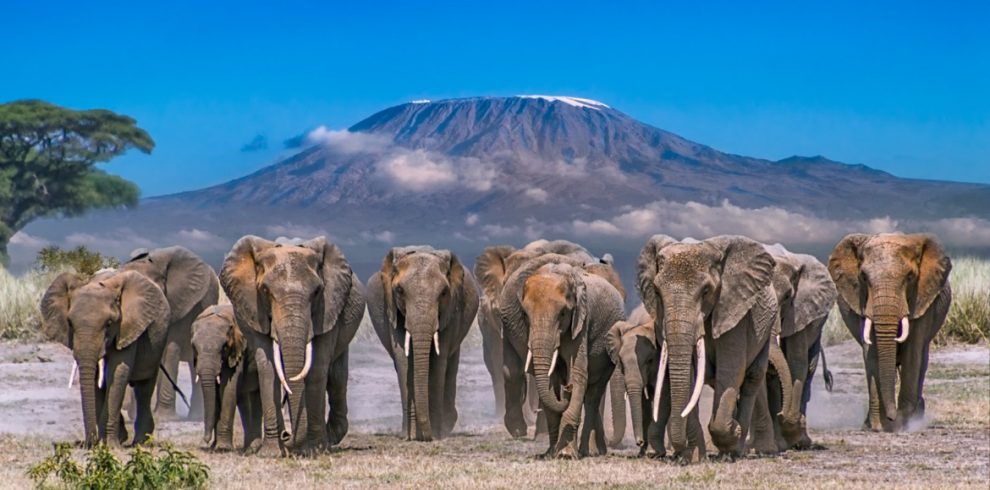
There are few experiences as humbling as standing before an elephant whose tusks nearly graze the earth. These are the big tuskers of Amboseli — giants whose size, intelligence, and grace embody the soul of Africa’s wild. Their presence commands silence, respect, and awe.
For photographers and travelers, Amboseli National Park is a rare sanctuary where these magnificent creatures still roam free under the shadow of Mount Kilimanjaro. With the guidance of Woodsly Adventures, visitors can not only photograph them but also understand their history, behavior, and the conservation efforts that keep their legacy alive.
The Amboseli big tuskers are more than just animals — they are the keepers of Kenya’s heritage.
Table of Contents
-
The Story of Amboseli’s Big Tuskers
-
Why Amboseli Is the Best Place to Photograph Elephants
-
The Personalities Behind the Tusks
-
Understanding Elephant Behavior
-
Photography Tips for Capturing Giants
-
Ethics of Elephant Photography
-
Conservation Efforts Protecting Amboseli’s Tuskers
-
Lodges Ideal for Elephant Encounters
-
Combine Amboseli with Other Destinations
-
Plan Your Big Tuskers Safari with Woodsly Adventures
1. The Story of Amboseli’s Big Tuskers
Amboseli is world-renowned for its elephants — specifically, a handful of males known as “super tuskers.” These individuals carry tusks weighing more than 45 kilograms each, nearly touching the ground. Their lineage has been studied for decades, most notably by the Amboseli Elephant Research Project, one of the world’s longest-running elephant studies.
Names like Tim, Craig, and Toni have become legendary, symbolizing resilience and the majesty of untouched Africa. Many of these giants have lived well into their fifties and sixties, a testament to Amboseli’s protection and Kenya’s strong conservation policies.
When you book the Amboseli Elephant Safari with Woodsly Adventures, you step into this living history — where every elephant sighting feels like meeting a myth carved from time.
2. Why Amboseli Is the Best Place to Photograph Elephants
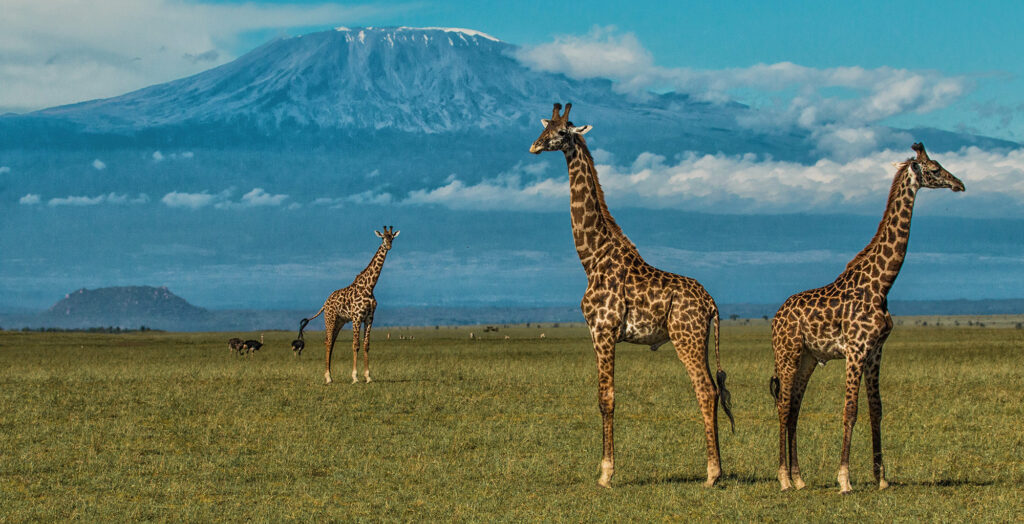
Amboseli offers one of the most unique photographic opportunities in Africa. The park’s open plains, swamps, and Kilimanjaro backdrop create a natural studio for wildlife photography.
Here, elephants move freely across golden grasslands, often in the company of zebra, wildebeest, and flamingos. The light is exceptional — soft, warm, and dust-filled — perfect for highlighting textures on elephant skin or catching the glint of sunlight on ivory.
Unlike denser parks such as Tsavo National Park, Amboseli’s visibility allows photographers to compose clean, dramatic frames. It’s no surprise many of the world’s most famous elephant portraits were taken right here.
3. The Personalities Behind the Tusks
Each tusker has a distinct character. Spend even a few hours observing them, and you’ll notice differences in how they walk, interact, and respond to their herds.
-
Craig is Amboseli’s most famous living tusker, known for his calm demeanor and perfectly symmetrical tusks.
-
Toni, slightly smaller but more spirited, often moves with a younger following.
-
Tim, one of Amboseli’s most iconic elephants until his passing, was revered for his wisdom and gentle nature.
Photographing these giants isn’t just about size — it’s about expression, mood, and story. Woodsly Adventures guides understand how to read elephant behavior, positioning travelers where they can safely capture personality as well as majesty.
4. Understanding Elephant Behavior
Knowing how elephants behave enhances both photography and safety. Amboseli elephants are well-accustomed to vehicles, which allows for close but ethical encounters.
-
Body Language: Flapping ears, raised trunks, or mock charges often communicate curiosity, not aggression.
-
Family Dynamics: Females move in herds led by matriarchs, while males roam solo or in small bachelor groups.
-
Social Bonds: Watch for greetings, play, and dust baths — perfect for storytelling images.
Experienced guides from Woodsly Adventures interpret these cues for guests, ensuring each approach respects the animal’s space while maximizing photographic potential.
5. Photography Tips for Capturing Giants
Elephant photography is an art of timing and perspective. These tips help create images that honor their scale and dignity:
-
Use a Wide Angle: To include the landscape and Kilimanjaro backdrop, go wide (24-70mm).
-
Get Low: Shooting from a lower angle emphasizes the elephant’s size.
-
Focus on Eyes and Tusks: These tell emotion and history.
-
Capture Interaction: Mothers with calves, dust clouds, and herd formations convey emotion.
-
Play with Light: Early morning and late afternoon provide dramatic, golden tones.
Bring a zoom lens (100-400mm or 500mm) for detail shots but don’t forget the power of environmental context — Amboseli’s vastness is part of the story.
6. Ethics of Elephant Photography
Photographing wildlife responsibly is essential. Elephants are intelligent, emotional beings, and every encounter should be respectful.
-
Keep a safe distance — never push for proximity.
-
Avoid flash or loud sounds.
-
Support ethical operators like Woodsly Adventures, who follow park regulations and conservation guidelines.
-
Never encourage guides to off-track or stress animals for better angles.
Great photography celebrates wildlife; it never compromises it. Amboseli’s big tuskers deserve admiration, not intrusion.
7. Conservation Efforts Protecting Amboseli’s Tuskers
The survival of Amboseli’s giants is not guaranteed. Poaching, habitat loss, and climate change remain ongoing threats. Fortunately, Amboseli’s elephants benefit from dedicated protection through organizations like the Amboseli Trust for Elephants, Kenya Wildlife Service, and responsible tour operators.
Woodsly Adventures works closely with local conservation networks, promoting sustainable tourism that directly benefits elephant protection. Every safari booked contributes to the preservation of Amboseli’s fragile ecosystem.
By photographing these elephants, you become part of their story — raising awareness through your images and helping secure their future.
8. Lodges Ideal for Elephant Encounters
Amboseli offers several lodges where guests can view elephants directly from camp — a dream for photographers.
-
Tortilis Camp: Positioned for unobstructed Kilimanjaro views, ideal for dawn shots.
-
Ol Tukai Lodge: Located near elephant corridors with frequent sightings from verandas.
-
Amboseli Serena Safari Lodge: Balances comfort with access to photographic hotspots.
-
Kibo Safari Camp: A family-friendly option close to Amboseli’s heart.
When you book through Woodsly Adventures, you get tailored accommodation options — early access to prime photography zones and expert guides who know where the tuskers roam.
9. Combine Amboseli with Other Destinations
To enrich your photography and wildlife experience, Amboseli connects seamlessly with other Woodsly Adventures destinations:
-
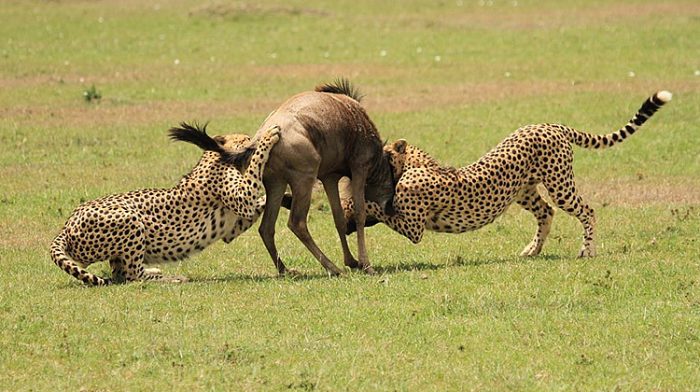
Masai Mara Safari: Perfect for capturing predators and migration drama.
-
Tsavo National Park Adventure: Features red elephants and rugged terrains.
-
Mombasa Beach Retreat: Ideal for soft-light coastal photography after the savannah.
-
Wasini Island Marine Park Excursion: Offers vivid seascapes and marine life imagery.
This multi-destination circuit allows travelers to photograph Kenya’s wildest contrasts — from elephant plains to coral reefs — in one journey.
10. Plan Your Big Tuskers Safari with Woodsly Adventures
The magic of Amboseli’s tuskers lies not just in their size, but in the sense of history they carry. Each photograph you take is a connection to decades of conservation and coexistence.
At Woodsly Adventures, we craft photography safaris that go beyond sightseeing. Our expert guides know the elephants by name and track their movements ethically, ensuring close but safe experiences.
When you join the Amboseli Elephant Safari, you’re not just taking pictures — you’re preserving a story for future generations. You’ll learn, connect, and return home with images that speak louder than words.
If you’ve ever dreamed of standing before the giants of Africa, camera in hand and Kilimanjaro on the horizon, this is your moment. Amboseli awaits — and Woodsly Adventures will take you there.