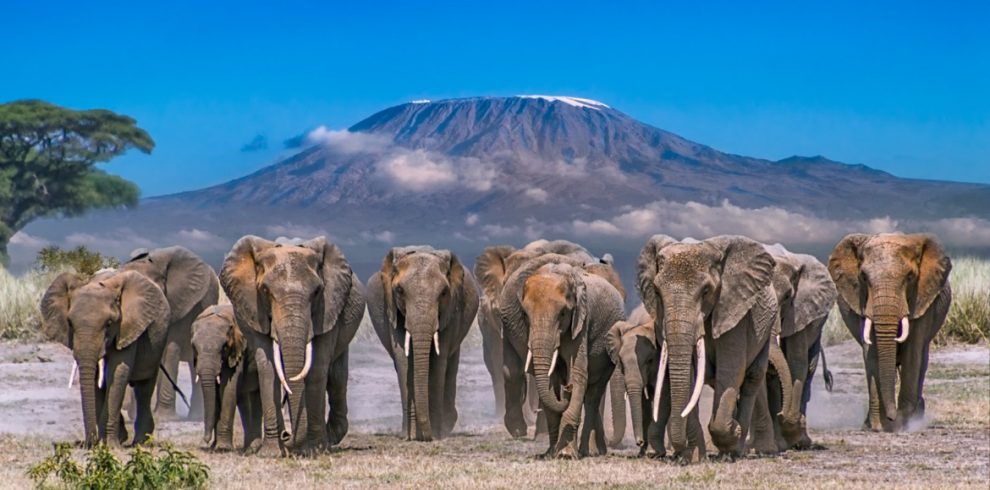
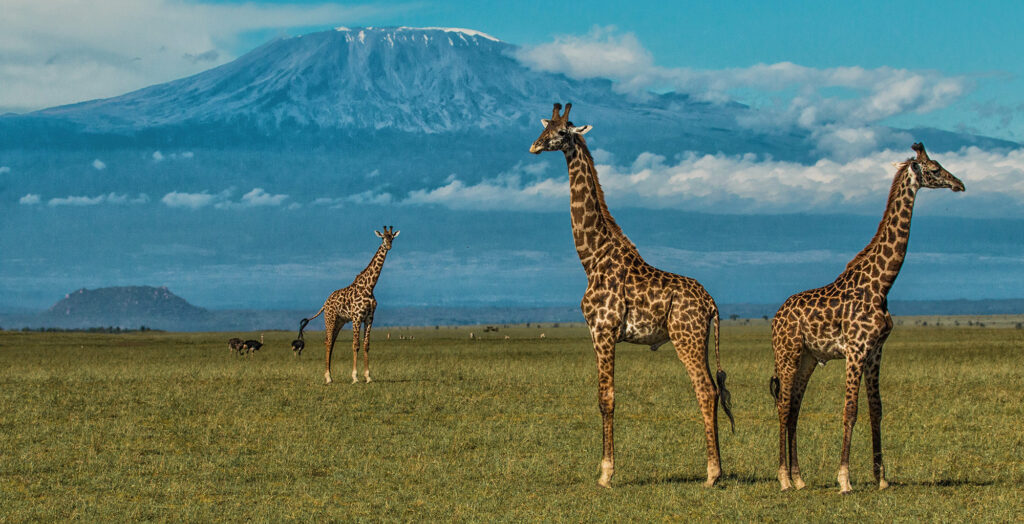
Every visit to Amboseli tells a different story. Sometimes the plains shimmer in gold and dust as elephants march in slow unison beneath the vast blue sky. Other times, rain paints the park green, the swamps overflow, and flocks of birds fill the air with sound and motion. Amboseli never looks the same twice.
For travelers planning a safari, understanding these seasonal changes can transform your experience. The best time to visit depends on what you want to see and feel — the thrill of clear skies and big game, the serenity of lush wetlands, or the quiet beauty of fewer crowds.
With Woodsly Adventures as your guide, you’ll not only visit Amboseli at the right time — you’ll visit it the right way. Their team understands the land’s rhythm, the wildlife’s behavior, and the perfect moments that make every season worth exploring.
Table of Contents
-
Understanding Amboseli’s Climate and Ecosystem
-
The Dry Season (June to October) – Clear Skies and Concentrated Wildlife
-
The Short Rains (November to December) – Refreshing and Vibrant
-
The Long Rains (March to May) – Lush, Quiet, and Photogenic
-
The Green Season (January to February) – Perfect Balance of Beauty and Comfort
-
Wildlife Patterns Across the Seasons
-
Photography Opportunities Through the Year
-
Seasonal Travel Tips for Amboseli Visitors
-
How Amboseli Connects to Other Parks Year-Round
-
Plan Your Perfect Safari with Woodsly Adventures
1. Understanding Amboseli’s Climate and Ecosystem
Amboseli National Park lies in southern Kenya, near the border with Tanzania, in the shadow of Mount Kilimanjaro. Its semi-arid climate means temperatures are warm year-round, with average highs between 25°C and 30°C (77°F–86°F).
But Amboseli’s beauty lies in its extremes. Dry months bring sun-bleached landscapes and vast herds gathering near water sources. When rains arrive, the land transforms — grass grows thick and green, and the swamps swell with life.
Unlike some parks, Amboseli remains accessible in all seasons. Its network of tracks and diverse habitats ensures that, no matter when you visit, something remarkable is always unfolding.
2. The Dry Season (June to October) – Clear Skies and Concentrated Wildlife
If your dream is to witness Amboseli at its most iconic — elephants crossing dry plains beneath a cloudless sky — the dry season is ideal.
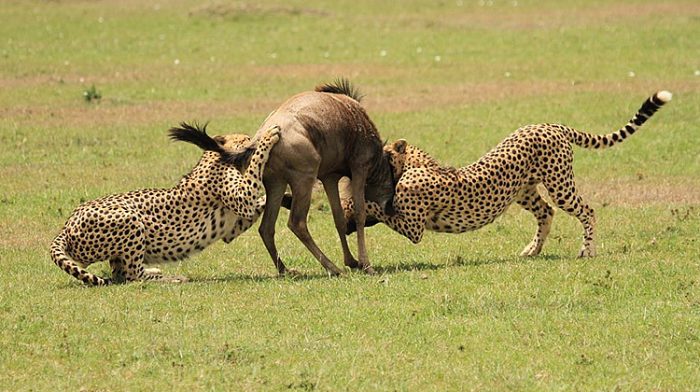
During these months, rainfall is minimal, and water sources become scarce. This concentrates wildlife around the marshes and swamps, making game viewing exceptional. Herds of elephants, buffalo, zebra, and wildebeest gather in large numbers, while predators like lions and cheetahs follow closely behind.
The skies remain clear, offering the best chance of seeing Mount Kilimanjaro in all its glory, especially at sunrise. Dusty horizons, glowing light, and dramatic silhouettes make this season perfect for photography.
Accommodations tend to book quickly, as it’s the peak safari period, so planning early through Woodsly Adventures ensures you secure the best lodges and guides for your preferred dates.
3. The Short Rains (November to December) – Refreshing and Vibrant
After months of dryness, Amboseli breathes again when the short rains arrive. The showers, usually brief and scattered, bring new energy to the land. Grass turns emerald green, and the air fills with the scent of wet earth.
This is a beautiful time for travelers who prefer fewer crowds and a softer, more intimate atmosphere. The animals remain active, and the light is perfect for photography — deep blue skies contrast with fresh vegetation, creating incredible color palettes.
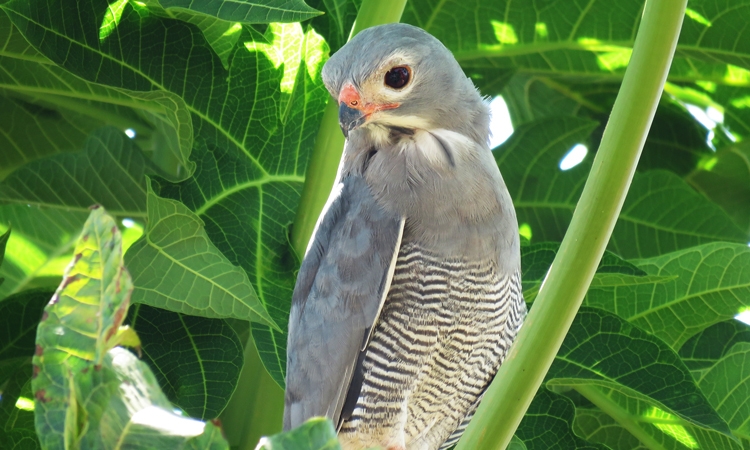
Migratory birds begin to arrive from Europe and Asia, turning Amboseli into a haven for birdwatchers. Flamingos, pelicans, and kingfishers add splashes of color to the swamps.
With Woodsly Adventures, you can plan this as part of a broader circuit — combining Amboseli’s rejuvenated beauty with the Mombasa Beach Retreat for a seamless mix of safari and seaside relaxation.
4. The Long Rains (March to May) – Lush, Quiet, and Photogenic
The long rains mark Amboseli’s low season — but for certain travelers, it’s the most rewarding time of all.
Yes, showers can be heavier, especially in April, but the park becomes a photographer’s paradise. The landscape glows in shades of green and gold, reflections mirror the sky in the flooded marshes, and Kilimanjaro often appears crowned with fresh snow.
This is also the time when wildlife gives birth. Young calves and foals bring new life to the plains, and predators are more active. Fewer vehicles mean quieter sightings, ideal for travelers seeking solitude.
Lodges often offer reduced rates, making luxury more affordable. Woodsly Adventures ensures you travel comfortably — choosing eco-lodges with reliable infrastructure and experienced guides who know how to navigate safely even during rain.
5. The Green Season (January to February) – Perfect Balance of Beauty and Comfort
The short dry spell between the rains, often called the Green Season, offers the best of both worlds — lush landscapes with easy accessibility.
Grass remains green from previous showers, but the roads are dry, and wildlife viewing is excellent. Elephants gather in the swamps daily, birds are still abundant, and the weather is pleasantly warm with clear mornings for photographing Kilimanjaro.
This is a favorite for returning travelers who want vibrant scenery without peak-season crowds. For honeymooners and photographers, it’s a golden window — calm, colorful, and full of character.
Pair your Amboseli trip with a Tsavo National Park Adventure to witness Kenya’s transition from savannah to rugged wilderness — all within a single journey curated by Woodsly Adventures.
6. Wildlife Patterns Across the Seasons
Amboseli’s wildlife thrives year-round, but each season brings distinct behaviors and moods:
-
Dry Season (June–October): Animals congregate near water; elephants dominate the plains; predators are more visible.
-
Short Rains (Nov–Dec): Fresh vegetation attracts grazers; bird activity increases; breeding season begins.
-
Long Rains (Mar–May): Birth season for many species; dramatic weather patterns; fewer vehicles.
-
Green Season (Jan–Feb): Ideal mix of wildlife and lush scenery.
No matter when you visit, Amboseli offers consistency in sightings — elephants, lions, giraffes, zebras, and hippos remain resident all year.
7. Photography Opportunities Through the Year
Amboseli’s changing light and weather conditions make it a dream destination for photographers.
-
Dry Season: Crisp air, golden sunsets, and dramatic dust backdrops for iconic elephant shots.
-
Short Rains: Vibrant greens, reflections, and pastel skies after rain.
-
Long Rains: Moody clouds, thunderous skies, and newborn wildlife.
-
Green Season: Strong contrasts and morning clarity for Kilimanjaro compositions.
For dedicated photographers, Woodsly Adventures offers customized itineraries with expert guides who understand lighting, positioning, and wildlife behavior — ensuring you capture Amboseli’s beauty in every frame.
You can also combine Amboseli with the Masai Mara Safari for a year-round photography journey covering Kenya’s greatest landscapes.
8. Seasonal Travel Tips for Amboseli Visitors
-
Book Early for Peak Months: June to October is the busiest period. Reserve lodges and tours months ahead.
-
Carry Layers: Early mornings can be cool, especially during dry months, while afternoons may be hot.
-
Pack Rain Protection: A waterproof bag or poncho helps during the rains.
-
Mind the Dust: Bring lens wipes or filters to protect photography equipment.
-
Embrace Patience: Amboseli’s magic often appears to those who wait — whether it’s Kilimanjaro emerging from clouds or elephants crossing the plains in silence.
Woodsly Adventures provides detailed packing and seasonal preparation guides for every client, ensuring your safari is effortless regardless of when you travel.
9. How Amboseli Connects to Other Parks Year-Round
One of Amboseli’s great advantages is how easily it connects to Kenya’s other safari destinations, making it ideal for multi-park itineraries.
-
Masai Mara (July–October): Combine Amboseli’s tranquility with the Great Migration’s drama.
-
Tsavo National Park (March–June): Add volcanic landscapes and red elephants for contrast.
-
Mombasa Coast (Anytime): Relax after safari with a beach retreat at the Indian Ocean.
-
Wasini Island Marine Park (December–March): Pair your safari with marine excursions among dolphins and coral reefs.
With Woodsly Adventures managing your logistics, each connection feels seamless — one continuous story of Kenya’s natural beauty told through changing light and landscape.
10. Plan Your Perfect Safari with Woodsly Adventures
Every season in Amboseli tells a different version of the same story — the story of nature’s resilience, beauty, and rhythm. The dry months are bold and dramatic; the rainy ones gentle and intimate. None is better than the other — they’re simply different chapters of the same magnificent book.
When you plan your safari with Woodsly Adventures, you’re not just choosing dates on a calendar — you’re choosing the experience that matches your soul. Their team understands how to align your interests, timing, and budget with Amboseli’s natural cycles.
Whether you’re chasing golden light for your camera, seeking tranquility in green landscapes, or hoping to teach your family the wonders of wildlife, Woodsly Adventures will guide you to the right moment.
Call to Action
Find your perfect season for adventure. Book your Amboseli Elephant Safari with Woodsly Adventures today and experience Kenya’s most breathtaking park in its finest light.