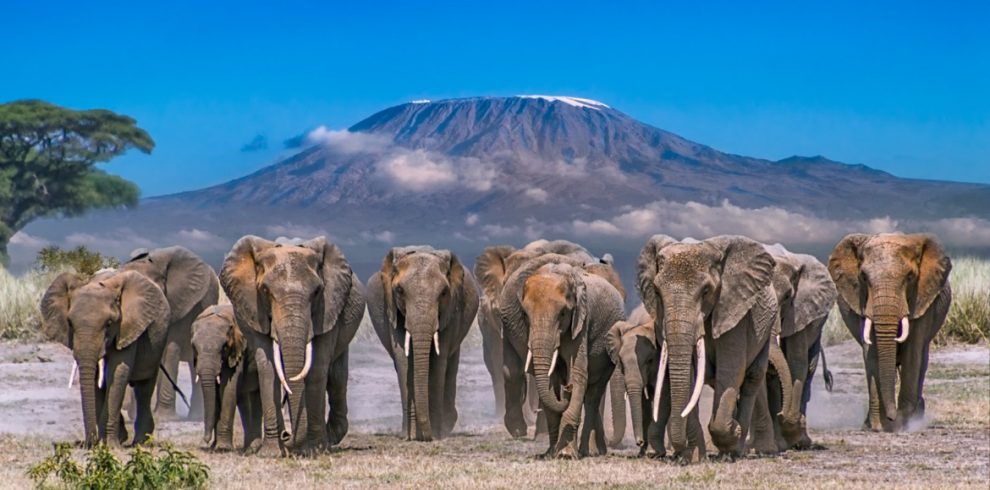
Imagine standing at dawn on the open plains of Amboseli National Park. The air is cool, the horizon glows pink, and the snowcapped peak of Mount Kilimanjaro rises in silent majesty. In the foreground, a herd of elephants crosses the misty marsh — their silhouettes forming a perfect composition against Africa’s highest mountain.
It’s a scene that photographers travel the world to capture. But in Amboseli, it isn’t rare — it’s a daily masterpiece waiting for the right eye and the right light.
For anyone passionate about wildlife photography, Amboseli is a living canvas. Its golden savannahs, reflective wetlands, and dramatic skies create conditions that challenge and reward in equal measure. And with the expert guidance of Woodsly Adventures, you can turn moments like these into images that tell stories of Kenya’s soul.
Table of Contents
-
Why Amboseli is a Photographer’s Paradise
-
The Magic of Light and Timing
-
Composing with Kilimanjaro
-
The Stars of the Show – Amboseli’s Wildlife
-
Camera Gear and Preparation Tips
-
Mastering Animal Behavior and Patience
-
Ethical Wildlife Photography
-
Seasonal Changes and Their Visual Impact
-
Beyond Amboseli – Expanding Your Kenya Photography Journey
-
Planning Your Amboseli Photography Safari
1. Why Amboseli is a Photographer’s Paradise
Few safari destinations offer such variety within such proximity. Amboseli’s diverse habitats — from dusty plains and acacia woodlands to lush swamps — mean every few kilometers, the scenery and lighting shift dramatically.
For photographers, that’s an invitation to experiment. You can shoot elephants wading through wetlands in the morning, flamingos in flight by midday, and lions resting under golden light in the afternoon. The park’s wide horizons also provide natural framing for Kilimanjaro, allowing creative compositions that combine wildlife, landscape, and atmosphere.
Amboseli’s animals are famously relaxed around vehicles, thanks to years of gentle conservation tourism. This allows for intimate, low-stress photography sessions that reveal natural behavior rather than startled reactions.
Every day feels like a film set — and with Woodsly Adventures, you’ll have a front-row seat.
2. The Magic of Light and Timing
Light is the soul of photography, and in Amboseli, it’s nothing short of magic.
Morning Light (6:00–9:00 AM):
The soft golden hues of dawn offer the most flattering light for portraits and landscapes. This is also when Mount Kilimanjaro’s peak is most visible before clouds gather later in the day. Use this time for silhouette shots of elephants and birds against the rising sun.
Midday (10:00 AM–3:00 PM):
While the light is harsher, reflections in the wetlands can be stunning, especially for bird photography. Use a polarizing filter to control glare and deepen the sky’s blue tones.
Evening Light (4:00–6:30 PM):
The warm glow of sunset wraps Amboseli in rich amber tones. This “golden hour” is perfect for capturing dramatic close-ups of elephants, giraffes, and zebra herds. Shadows lengthen, textures emerge, and every frame feels alive.
The guides at Woodsly Adventures schedule drives around these golden windows, ensuring you’re always in the right place when the light is at its best.
3. Composing with Kilimanjaro
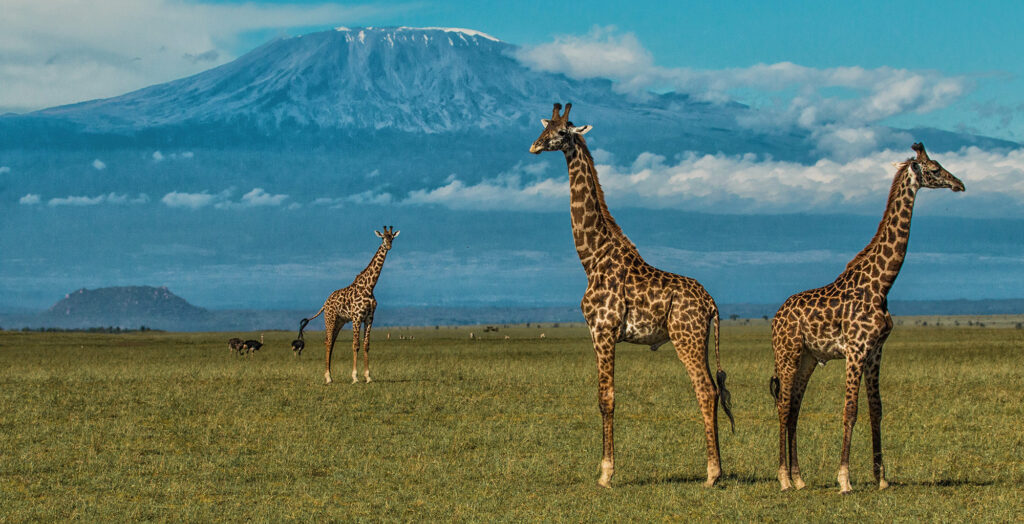
Mount Kilimanjaro is more than a backdrop — it’s Amboseli’s crown jewel. Photographing it requires awareness of distance, scale, and timing.
-
Best Time: Early morning when skies are clearest.
-
Best Angles: From Observation Hill or the southern sections near Enkongo Narok swamp.
-
Technique: Use leading lines — elephant trails, acacia trees, or reflections — to draw the viewer’s eye toward the mountain.
Amboseli is one of the few places on earth where you can frame wildlife with such a dramatic natural monument. To make the most of it, switch between wide-angle lenses for landscapes and telephoto lenses for wildlife to tell both intimate and grand stories in one setting.
4. The Stars of the Show – Amboseli’s Wildlife
Amboseli’s stars are its elephants — enormous, gentle, and deeply expressive. Many are descendants of the world’s most famous tuskers, studied for decades by conservationists. Watching them bathe and interact is a masterclass in patience and timing.
Key subjects for your lens:
-
Elephants: Capture family interactions, reflections in water, and silhouettes at sunrise.
-
Buffalo and Zebra: Offer strong patterns and movement within the frame.
-
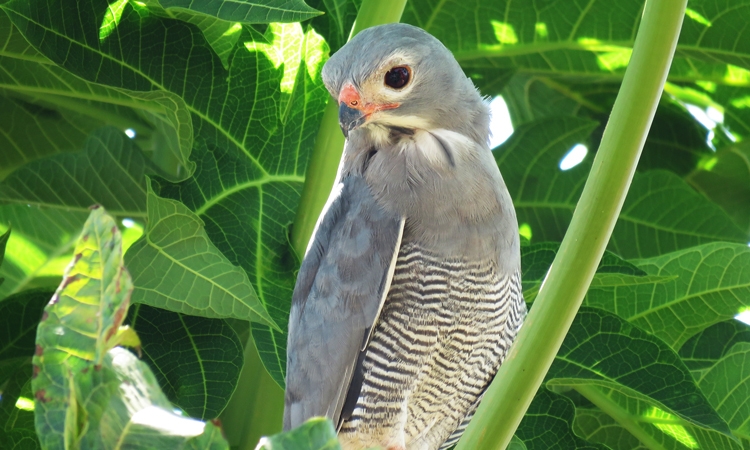
Birdlife: Over 420 species, from fish eagles to crowned cranes, create endless photographic variety.
-
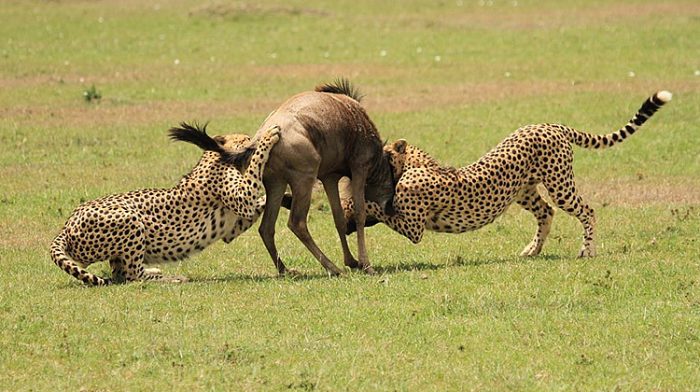
Predators: Lions and hyenas, though elusive, add narrative depth to your wildlife portfolio.
Each animal presents a chance to tell a story — and that’s what makes Amboseli so special for photographers. It’s not just about documenting wildlife; it’s about translating emotion and energy into visual poetry.
5. Camera Gear and Preparation Tips
You don’t need a studio’s worth of gear to capture Amboseli’s spirit — but thoughtful preparation matters.
Recommended Equipment:
-
DSLR or mirrorless camera with fast autofocus.
-
Lenses:
-
70–200mm or 100–400mm for wildlife.
-
24–70mm for landscapes and wide scenes.
-
50mm prime for portraits or low-light shots.
-
-
Tripod or monopod for stability, especially in low light.
-
Extra batteries and memory cards — Amboseli’s scenery is addictive.
Technical Tips:
-
Use continuous autofocus for moving subjects.
-
Keep shutter speeds above 1/1000 for action shots.
-
Adjust ISO dynamically as light changes — Amboseli can shift from bright to diffused within minutes.
-
Always shoot in RAW for flexibility in editing.
Woodsly Adventures’ vehicles are modified for photographers — open roofs, stable shooting positions, and experienced guides who position you perfectly for composition and light.
6. Mastering Animal Behavior and Patience
Great wildlife photography isn’t luck — it’s anticipation. Amboseli’s animals follow rhythms tied to light, temperature, and water. Understanding these patterns allows you to predict moments rather than chase them.
For example:
-
Elephants: Usually move toward marshes in the morning and back toward the woodlands in the evening.
-
Birds: Are most active after dawn and before sunset.
-
Predators: Often rest during the day and stir at dusk.
Patience transforms a good photo into a great one. Waiting for the matriarch to lift her trunk, for a calf to play in the mud, or for Kilimanjaro to reveal itself behind passing clouds — these moments reward those who stay still and ready.
Your Woodsly Adventures guide will help you read these cues, combining knowledge of wildlife patterns with an artist’s eye for timing.
7. Ethical Wildlife Photography
The beauty of Amboseli lies in its authenticity. Ethical photography ensures it stays that way.
Golden rules:
-
Never approach too closely or block animal paths.
-
Avoid flash; it startles wildlife and disrupts behavior.
-
Respect nesting sites and young animals.
-
Let guides manage vehicle distance and positioning.
-
Always prioritize the animal’s comfort over the perfect shot.
At Woodsly Adventures, every safari is designed to uphold ethical and sustainable photography principles. Our guides understand that true images of nature come from respect, not intrusion.
8. Seasonal Changes and Their Visual Impact
Amboseli’s character shifts with the seasons, offering different photographic moods.
Dry Season (June–October; January–February):
The landscape turns golden, skies are clear, and wildlife congregates at water sources — ideal for dramatic contrasts and close-up portraits.
Green Season (November–December; March–May):
After the rains, Amboseli transforms into a lush paradise. Reflection shots, rainbows, and cloudscapes dominate. Migratory birds arrive, and elephants wade through shimmering wetlands.
Photographers who visit multiple times in a year often find their galleries evolving like chapters — each season revealing a new palette of light and life.
9. Beyond Amboseli – Expanding Your Kenya Photography Journey
Amboseli’s magic often inspires travelers to explore further. With Woodsly Adventures, you can expand your portfolio across Kenya’s contrasting ecosystems:
-
Masai Mara Safari: Capture the Great Migration and predator action in golden plains.
-
Tsavo National Park Adventure: Discover red elephants and vast wilderness textures.
-
Mombasa Beach Retreat: Perfect for coastal sunsets and cultural photography.
-
Wasini Island Marine Park Excursion: Add ocean life and island charm to your Kenya collection.
These combinations create a visual journey from savannah to sea — a complete narrative of Kenya’s beauty through your lens.
10. Planning Your Amboseli Photography Safari
A successful photography safari requires more than skill — it requires the right environment, timing, and support.
With Woodsly Adventures, you gain access to:
-
Knowledgeable guides who understand light and animal behavior.
-
Flexible itineraries tailored for photographers’ needs.
-
Lodges strategically located for sunrise and sunset shoots.
-
Vehicles adapted for stability and 360-degree shooting angles.
Whether you’re building a professional portfolio or simply want to capture unforgettable memories, our Amboseli Elephant Safari ensures that every frame tells a story worth keeping.
From your first sunrise beneath Kilimanjaro to your final farewell on the open plains, Amboseli will change the way you see — not just through your camera, but through your heart.