There are places in the world where the light seems alive — where every sunrise paints the sky with emotion and every shadow tells a story. Amboseli National Park is one of those places. With Mount Kilimanjaro rising behind endless plains, herds of elephants drifting through the dust, and birds cutting across the golden horizon, it is a paradise for photographers.
Whether you’re a seasoned wildlife photographer or a traveler who simply loves capturing beauty, Amboseli offers compositions you won’t find anywhere else. And with Woodsly Adventures, you don’t just visit — you learn to see through the lens of Africa’s rhythm. Expert guides, custom itineraries, and ideal timing ensure every moment counts, every frame speaks.
Table of Contents
-
The Photographic Soul of Amboseli
-
The Magic of Light – Morning and Evening Drama
-
Iconic Subjects: Elephants and Kilimanjaro
-
Beyond the Big Picture – Hidden Gems for Storytelling
-
Wildlife Behavior and Patience Behind the Shot
-
Essential Photography Tips for Amboseli
-
Best Locations Within the Park
-
Seasonal Differences – How Weather Shapes the Frame
-
Photo Safaris with Woodsly Adventures
-
Combining Amboseli with Other Photographic Destinations
1. The Photographic Soul of Amboseli
Amboseli isn’t just a place to photograph — it’s a mood. It’s the interplay of dust and light, the movement of elephants across open plains, and the sudden clarity of Kilimanjaro after a day of haze.
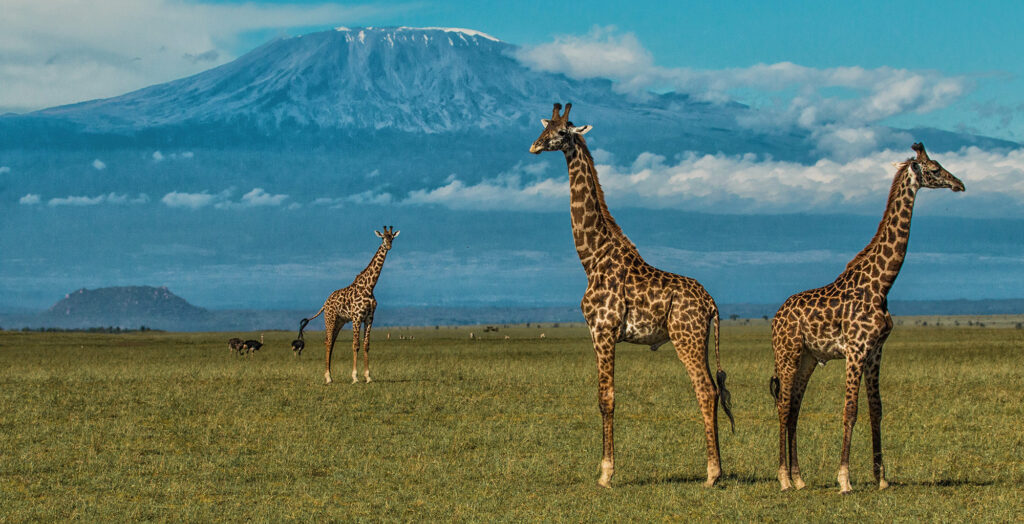
For photographers, Amboseli is all about contrast. The parched earth against the lush swamps, the tiny silhouette of a giraffe beneath the mountain, or the reflection of clouds in shallow pools after the rains.
Every frame holds balance — between scale and detail, between silence and movement. And with a little patience, Amboseli rewards you with compositions that speak of Africa’s ancient heart.
2. The Magic of Light – Morning and Evening Drama
In Amboseli, light is everything.
Morning Light (6:00–9:00 AM):
The best time to capture Kilimanjaro’s peak. As the sun rises, the snowcap glows pink and gold, while elephants and zebras wander through the mist. The air is cool, clear, and full of texture — ideal for both wide landscapes and close portraits.
Evening Light (4:00–6:30 PM):
The plains turn golden, the dust rises like smoke, and every animal seems outlined in fire. It’s Amboseli’s cinematic hour. Silhouettes of giraffes, herds of elephants backlit by the setting sun, and Maasai herders returning home all create timeless frames.
Woodsly Adventures designs safari drives to coincide with these light transitions, ensuring photographers are always in position at the right time.
3. Iconic Subjects: Elephants and Kilimanjaro
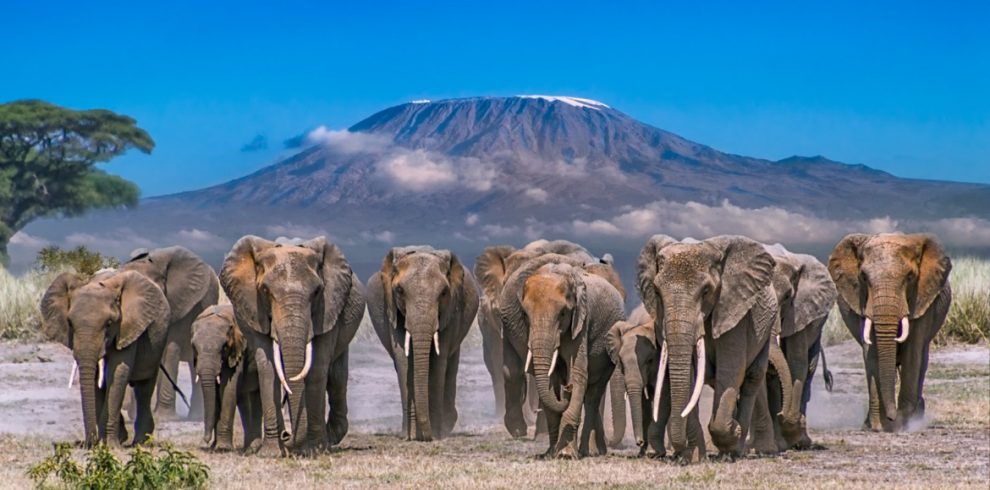
If there’s one image that defines Amboseli, it’s elephants against Mount Kilimanjaro. This combination — Africa’s largest land animals with its tallest mountain — is what makes the park legendary in photography circles.
Amboseli’s elephants are famously calm, thanks to decades of conservation work. This allows for close, ethical photography without disturbance. You can frame them in wide-angle landscapes, capture intimate family interactions, or focus on textures — the wrinkles of their skin, the dust rising from their steps.
And when Kilimanjaro clears, it creates the perfect backdrop — a poetic alignment between nature’s giants and nature’s crown.
Woodsly Adventures ensures you’re there when it happens. Their guides know the vantage points, light angles, and even the timing when the mountain is most likely to reveal itself.
4. Beyond the Big Picture – Hidden Gems for Storytelling
Amboseli’s drama doesn’t stop with its icons. The park rewards photographers who look beyond the obvious.
-
Reflections in the Marshlands: Capture mirror-like scenes of elephants wading through water, surrounded by white egrets.
-
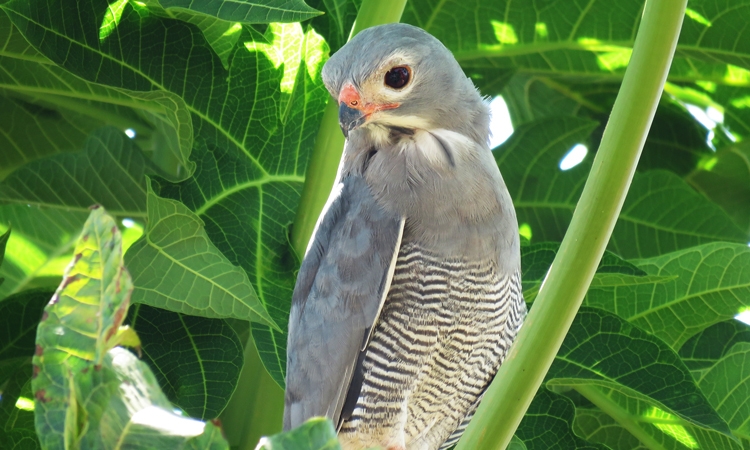
Birdlife: More than 400 species, from lilac-breasted rollers to pelicans, make Amboseli a paradise for bird photographers.
-
Textures and Details: Cracked mud, animal footprints, and acacia thorns all add storytelling depth.
-
Human Element: With ethical guidance, photographing Maasai culture near Amboseli adds context — people and wildlife coexisting gracefully.
Woodsly Adventures encourages photographers to tell complete stories — not just take pictures. Their guides understand behavior, composition, and narrative flow, making each drive a creative workshop in the wild.
5. Wildlife Behavior and Patience Behind the Shot
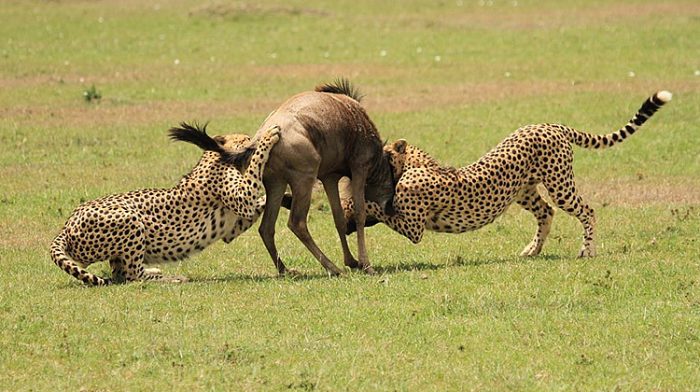
Wildlife photography is about anticipation. Amboseli’s open terrain gives photographers the rare chance to study movement — watching herds gather, predators stalk, or birds prepare for flight.
Woodsly Adventures guides help you read the signs. They’ll notice when elephants line up for a water crossing or when a lioness is likely to emerge from the grass. Knowing what comes next allows you to position yourself for that one perfect shot.
Patience is key. The best Amboseli photos often happen after long quiet moments — when the light, behavior, and landscape align. Woodsly’s private safaris give you the time and space to wait without rush.
6. Essential Photography Tips for Amboseli
To make the most of your Amboseli photography experience:
-
Lenses: Bring both telephoto (200–600mm) for wildlife and wide-angle (16–35mm) for landscapes.
-
Dust Protection: Amboseli is dry and dusty — use camera covers and clean regularly.
-
Golden Hours: Prioritize dawn and dusk; midday light can be harsh.
-
Tripods & Bean Bags: Essential for stability on vehicles.
-
Focus on Eyes: Whether it’s an elephant or a Maasai warrior, eyes convey emotion.
-
Shoot in RAW: Preserve dynamic range for post-processing.
-
Include Scale: Use trees, vehicles, or Kilimanjaro to emphasize the vastness.
Woodsly Adventures provides dedicated photography vehicles equipped with beanbags, charging ports, and customized roof openings — ensuring both comfort and technical readiness.
7. Best Locations Within the Park
Not every part of Amboseli photographs the same. Each zone has its visual rhythm:
-
Enkongo Narok Swamp: Lush green, great for elephant reflections.
-
Observation Hill: A panoramic spot ideal for sunrise and sunset timelapses.
-
Longinye Salt Pan: Stark minimalism — excellent for black-and-white shots.
-
Kimana Gate Corridor: Scenic landscapes and cultural photography opportunities with local Maasai.
Woodsly Adventures tailors each safari route according to your goals — from high-contrast wildlife portraits to serene landscape compositions.
8. Seasonal Differences – How Weather Shapes the Frame
Amboseli’s seasons change the light, colors, and mood of photography dramatically:
-
Dry Season (June–October): Harsh light, dust haze, and dramatic contrast. Ideal for silhouette photography.
-
Short Rains (November–December): Fresh greens and reflective puddles enhance color saturation.
-
Green Season (January–March): Soft light, clear Kilimanjaro views, and baby animals for storytelling.
-
Long Rains (April–May): Brooding skies and unique moody tones for fine art compositions.
Woodsly Adventures adjusts travel timing to match your creative vision — whether you want bright drama or subdued emotion.
9. Photo Safaris with Woodsly Adventures
A photography safari isn’t just about where you go — it’s about how you experience it. Woodsly Adventures specializes in customized photo tours that bring out your best work while ensuring ethical and comfortable travel.
What You Get:
-
Private vehicle with open roofs and unobstructed shooting angles.
-
Guides trained to position for light, background, and behavior.
-
Flexible schedules — no rushing back for group timetables.
-
Collaboration with local experts and photography instructors when needed.
-
Backup equipment and charging solutions.
For professionals, Woodsly Adventures can also arrange special photography permits, dawn access, and dedicated film-support logistics.
If you’re combining Amboseli with other destinations, you can extend your photography journey to:
-
Masai Mara Safari for predator action and the Great Migration.
-
Tsavo National Park Adventure for rugged landscapes and red elephants.
-
Wasini Island Marine Park Excursion for ocean photography and underwater life.
Each combination builds a diverse portfolio — from savannah to sea.
10. Combining Amboseli with Other Photographic Destinations
To truly capture Kenya’s photographic diversity, Woodsly Adventures curates itineraries that flow seamlessly between regions:
-
Amboseli + Tsavo: Contrast Amboseli’s open plains with Tsavo’s rugged wilderness.
-
Amboseli + Masai Mara: From elephants to big cats — an iconic wildlife double.
-
Amboseli + Coast: Shift from safari light to seascape serenity at the Mombasa Beach Retreat, perfect for relaxation and coastal photography.
Each region tells a new story through your lens — and Woodsly Adventures ensures the journey between them feels effortless.
Conclusion – See, Feel, Capture
Amboseli isn’t just beautiful — it’s expressive. Every sunrise whispers a new emotion, every herd movement tells an ancient story, and every frame feels alive.
Photographing Amboseli is more than taking pictures; it’s an act of connection. It’s about slowing down, observing, and translating wildness into memory.
With Woodsly Adventures, you don’t just visit Amboseli — you see it differently. Guided by experts who understand both nature and art, you’ll return home with more than photos. You’ll return with perspective.
Call to Action
Ready to capture Africa’s soul through your lens? Book your Amboseli Elephant Safari with Woodsly Adventures and experience Kenya’s most photogenic park through the eyes of a storyteller.
Meta Description (for SEO):
Capture Amboseli through your lens with Woodsly Adventures. Discover photography tips, iconic shots of elephants and Kilimanjaro, and custom photo safaris across Kenya’s wild beauty.