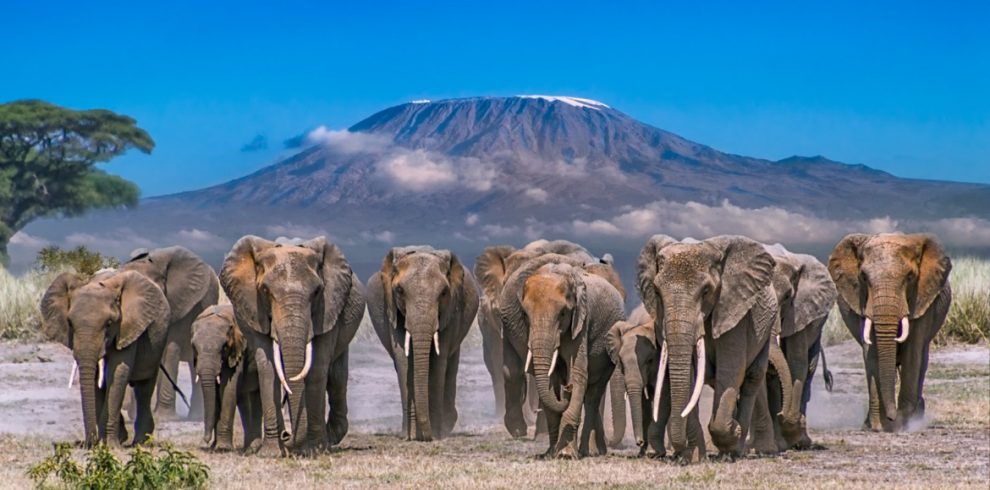
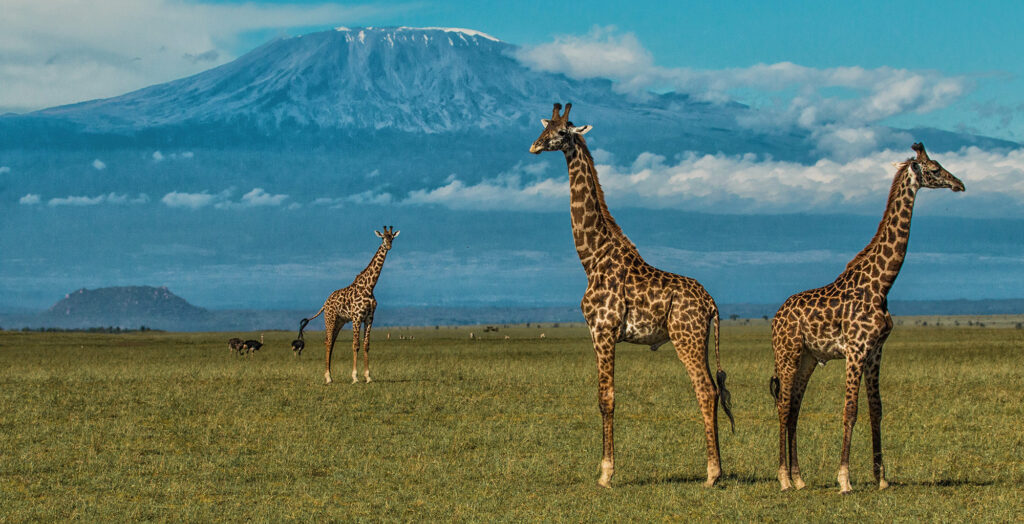
Few moments compare to preparing for your first safari. You can already picture it — the early morning drives, elephants silhouetted against Mount Kilimanjaro, the quiet hum of the savannah at dusk. But before that dream becomes reality, there’s one question almost every traveler asks: What should I pack for Amboseli?
Packing for a safari is different from any other trip. Amboseli National Park is a place where comfort meets adventure, where the right gear can turn a good trip into an unforgettable experience.
At Woodsly Adventures, we’ve guided hundreds of travelers through Kenya’s most iconic destinations — from Amboseli’s open plains to the Masai Mara Safari and beyond. Over the years, we’ve learned what works, what doesn’t, and what you’ll wish you’d packed.
This complete Amboseli safari packing list is designed to help you travel light, stay comfortable, and be ready for every moment the wild has to offer.
Table of Contents
-
Understanding Amboseli’s Climate and Conditions
-
Safari Clothing – Comfort and Function First
-
Footwear – For Game Drives and Camps
-
Essential Safari Gear and Accessories
-
Photography Equipment – Capture Every Memory
-
Health, Safety, and Hygiene Essentials
-
Travel Documents and Money Matters
-
What Not to Pack
-
Bonus Items That Make a Big Difference
-
Book Your Amboseli Safari with Woodsly Adventures
1. Understanding Amboseli’s Climate and Conditions
Before you start packing, it helps to understand what you’re packing for. Amboseli has a warm, semi-arid climate with two main seasons:
-
Dry Season (June to October): Sunny days, clear skies, and cool mornings. Perfect for game viewing.
-
Green Season (November to May): Occasional rain, greener landscapes, and slightly higher humidity.
Temperatures range between 20°C (68°F) and 30°C (86°F), but mornings and evenings can feel chilly — especially during June and July. The key is light layers and neutral colors that blend into the environment.
Dust can be a factor during the dry months, while rain jackets are useful in the green season. A little preparation goes a long way in keeping you comfortable no matter what the weather brings.
2. Safari Clothing – Comfort and Function First
When it comes to safari wear, functionality always wins over fashion. Amboseli’s charm lies in its natural simplicity — and your clothing should reflect that.
Recommended Clothing Checklist:
-
Lightweight, Neutral-Colored Shirts: Long sleeves protect against sun and insects while keeping you cool.
-
Convertible Safari Pants: Breathable and practical; zip-off legs turn them into shorts during midday heat.
-
Fleece or Light Jacket: Essential for chilly mornings and evening drives.
-
Rain Jacket or Poncho: Especially important from November to May.
-
Wide-Brim Hat or Cap: For sun protection during open-vehicle safaris.
-
Sunglasses: Polarized lenses reduce glare when spotting wildlife.
-
Comfortable Cotton T-shirts: Ideal for casual time at the lodge.
-
Light Scarf or Buff: Great for dust protection on game drives.
Stick to colors like beige, khaki, olive, and brown — they help you blend into the bush and avoid attracting insects. Avoid bright colors and camouflage prints (illegal for civilians in Kenya).
3. Footwear – For Game Drives and Camps
While you’ll spend most of your time in vehicles, the right shoes still matter. Amboseli’s terrain ranges from soft marshes to dusty plains.
Recommended Footwear:
-
Sturdy Walking Shoes or Trainers: Ideal for light bush walks and lodge areas.
-
Comfortable Sandals or Flip-Flops: Perfect for relaxing at camp.
-
Socks: Bring breathable pairs — thin for daywear, thicker for cooler nights.
If your itinerary includes add-on tours like the Tsavo National Park Adventure or Wasini Island Marine Park Excursion, versatile footwear will serve you well across multiple environments — from dusty trails to sandy beaches.
4. Essential Safari Gear and Accessories
Packing the right accessories makes your safari smoother and more enjoyable. These small details often separate seasoned travelers from first-timers.
Don’t Forget:
-
Binoculars: A must-have. Amboseli’s wide plains mean animals are often seen from a distance.
-
Daypack: Lightweight and comfortable for carrying water, sunscreen, and your camera.
-
Reusable Water Bottle: Stay hydrated without relying on disposable plastics.
-
Power Bank or Portable Charger: Many lodges use solar power — charging ports may be limited.
-
Headlamp or Flashlight: Useful for walking between tents after dark.
-
Insect Repellent: Choose one with DEET or picaridin.
-
Sunscreen: SPF 30+ and water-resistant.
-
Travel Adapter: Kenya uses type G sockets (same as the UK).
Woodsly Adventures’ guides are always equipped with essentials, but having your own gear keeps you ready for impromptu stops and spontaneous wildlife encounters.
5. Photography Equipment – Capture Every Memory
Amboseli is a photographer’s paradise. Whether you’re shooting on a DSLR or a smartphone, you’ll want to do justice to its incredible light and landscapes.
Photography Must-Haves:
-
Camera Body: DSLR or mirrorless with manual controls.
-
Zoom Lens: 100–400mm range for wildlife; wider lenses (24–70mm) for landscapes.
-
Memory Cards & Backups: Bring extras — Amboseli’s beauty fills them fast.
-
Lens Cleaning Kit: Dust is unavoidable; a soft brush or blower keeps images sharp.
-
Tripod or Bean Bag: For steady shots on bumpy drives.
-
Protective Bag: Padded and weather-resistant.
If photography is a major focus, consider the Amboseli Elephant Safari or Masai Mara Safari — both offer prime conditions for wildlife photography and expert-guided tours.
6. Health, Safety, and Hygiene Essentials
Your comfort and health are top priorities. Amboseli is malaria-prone, so preventive measures and preparation matter.
Health Checklist:
-
Prescription Medication: Bring enough for the full trip and a few extra days.
-
Malaria Prophylaxis: Consult your doctor before traveling.
-
First Aid Kit: Include pain relievers, antihistamines, antiseptic wipes, and band-aids.
-
Hand Sanitizer & Wet Wipes: For use during game drives.
-
Motion Sickness Tablets: Helpful for bumpy roads.
-
Travel Insurance: Essential for medical emergencies and evacuation coverage.
Most lodges are equipped for basic medical care, and Woodsly Adventures always ensures your safety through vetted accommodations and professional guides trained in first aid.
7. Travel Documents and Money Matters
Even the best-planned safari can stall without the right paperwork. Keep your documents organized and easily accessible.
Important Documents:
-
Passport: Must be valid for at least six months after your travel date.
-
Kenya eVisa: Apply online before arrival.
-
Vaccination Certificates: Yellow fever proof may be requested.
-
Travel Insurance Policy: Include emergency contact information.
-
Booking Confirmations: Printed or digital copies from Woodsly Adventures.
For money, carry a mix of USD cash and credit cards. Many lodges accept cards, but small cash payments are useful for tips and local markets.
8. What Not to Pack
Overpacking is a common mistake. Amboseli safaris are casual, and most lodges offer laundry services. Keep it light and simple.
Avoid Packing:
-
Brightly colored or white clothing (attracts insects and dust).
-
Camouflage outfits (restricted for civilians).
-
Hairdryers or high-voltage devices (solar power limits).
-
Large hard-shell suitcases (soft duffel bags are best for small planes).
-
Too much jewelry or valuables.
Woodsly Adventures always recommends soft-sided luggage under 15–20kg per person for easy transfers between destinations — especially if connecting with air safaris to Mombasa Beach Retreat or Masai Mara.
9. Bonus Items That Make a Big Difference
Sometimes it’s the little things that make your safari extraordinary. These items might not be essential, but they’ll make your trip more comfortable and enjoyable.
-
Travel Journal: Document your wildlife sightings and reflections.
-
Guidebook or Birding App: Helps identify species and learn about the ecosystem.
-
Portable Fan: Great for the warm midday hours.
-
Kenya SIM Card or eSIM: For connectivity in remote areas.
-
Foldable Duffel Bag: For souvenirs or extra gear.
-
Snacks: Energy bars, nuts, or trail mix for long game drives.
When you travel with Woodsly Adventures, many of these comforts — from binoculars to picnic snacks — are thoughtfully included in your safari vehicle. We believe preparation should enhance your experience, not complicate it.
10. Book Your Amboseli Safari with Woodsly Adventures
Packing for Amboseli is more than a checklist — it’s the first step in your adventure. The moment you zip that bag, you’re already halfway to the savannah.
With Woodsly Adventures, you’ll never have to worry about the details. We provide pre-departure guidance, personalized packing advice, and seamless logistics from the moment you land in Nairobi.
Your Amboseli Elephant Safari can easily extend to the Masai Mara Safari, Tsavo National Park Adventure, or Mombasa Beach Retreat — giving you the ultimate Kenya experience without the stress of planning.
So pack light, travel smart, and let Woodsly Adventures handle the rest. The elephants are waiting, Kilimanjaro is watching, and your safari story is ready to begin.