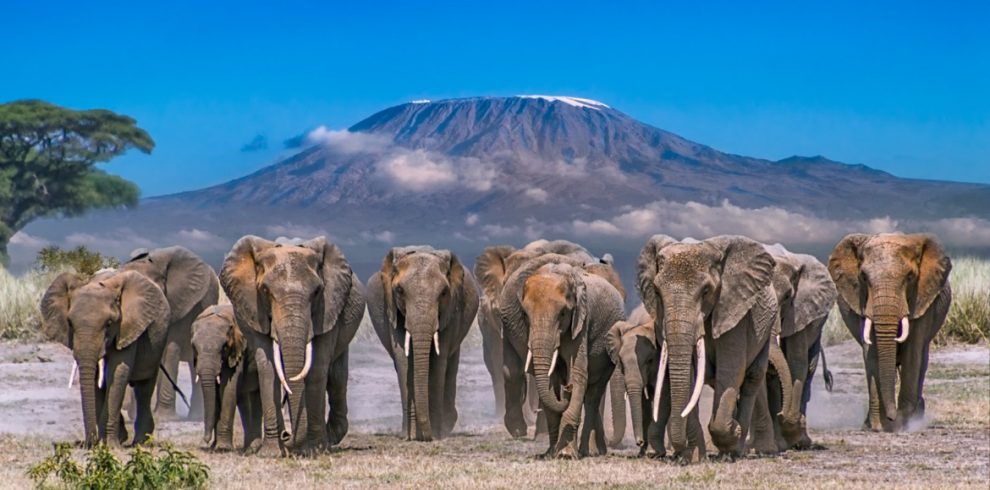
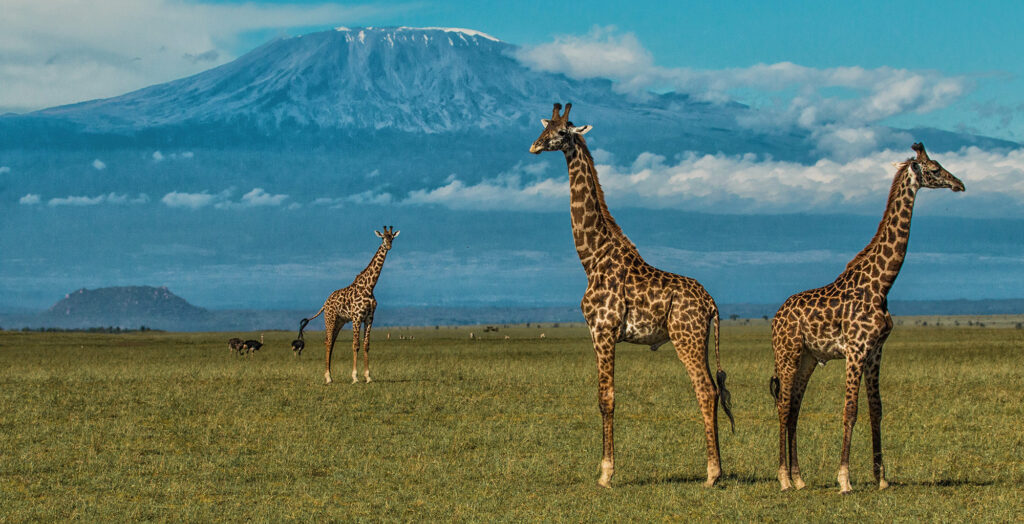
When the morning light spills across the plains of Amboseli, everything turns gold. Elephants stride through the mist like ancient guardians. Mount Kilimanjaro rises behind them, its snowcapped summit glowing against the blue. For photographers, this is more than a moment — it’s a dream realized.
Amboseli isn’t just one of Kenya’s most scenic parks. It’s a living canvas where light, wildlife, and landscape converge in perfect harmony. Whether you’re a professional photographer or simply passionate about capturing beauty, Amboseli rewards patience, creativity, and timing.
With Woodsly Adventures, you’ll experience Amboseli through the eyes of experts who know how to position you for the perfect frame, guide you to hidden vantage points, and ensure every photograph tells a story worth keeping.
Table of Contents
-
Why Amboseli Is a Photographer’s Paradise
-
Understanding Light and Timing in Amboseli
-
The Iconic Shot – Elephants with Kilimanjaro
-
Wildlife Composition Tips for Amboseli
-
Reflections and Water Photography in the Marshes
-
People and Culture – Photographing the Maasai
-
Gear Recommendations for Your Safari
-
Ethics of Wildlife Photography
-
Extending Your Photo Journey Beyond Amboseli
-
Capture Your Own Story with Woodsly Adventures
1. Why Amboseli Is a Photographer’s Paradise
Few places in Africa offer such diversity in such a compact area. Amboseli National Park’s landscapes change constantly — open plains, acacia woodlands, and mirror-like swamps alive with color and movement.
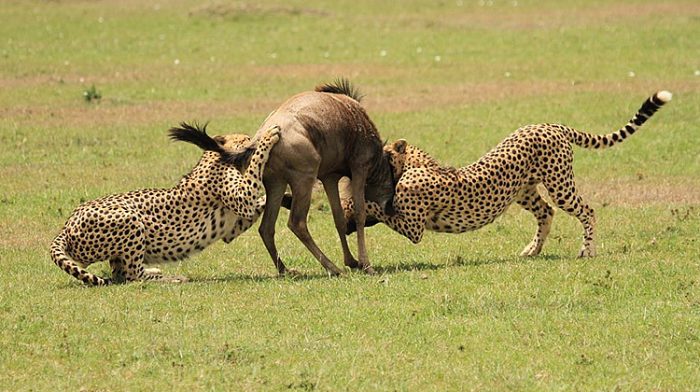
The park’s biggest attraction for photographers is its predictability and intimacy. Herds of elephants are easily visible against a wide, uncluttered horizon. Lions, cheetahs, giraffes, and zebras are often within view — and all of it framed beneath Africa’s tallest mountain, Kilimanjaro.
Here, every photograph feels larger than life yet deeply personal. The scale of the land and the behavior of the animals create endless storytelling possibilities.
Woodsly Adventures specializes in helping photographers of all levels capture Amboseli’s essence — whether it’s a split-second moment of a calf playing in the dust or the grandeur of a family herd silhouetted by the setting sun.
2. Understanding Light and Timing in Amboseli
Photography in Amboseli is all about light. The park’s open terrain and volcanic soil create contrasts that shift dramatically throughout the day.
Early mornings (6:00–8:30 a.m.) are ideal for soft, golden tones. The air is clear, and the mountain is often visible before clouds roll in. This is the perfect time to photograph elephants crossing the plains or reflections in the swamps.
Midday brings harsh sunlight — challenging but rewarding for high-contrast shots of dust trails and powerful animal movement. Using shadows creatively can turn even simple compositions into striking portraits.
Late afternoons (4:00–6:30 p.m.) deliver warm, cinematic hues. The low sun highlights texture — from the folds in elephant skin to the grass shimmering like bronze. It’s also the time for the classic “Kilimanjaro backdrop” images.
When you travel with Woodsly Adventures, your guide will help you position for optimal light and wildlife behavior — ensuring every frame works with nature, not against it.
3. The Iconic Shot – Elephants with Kilimanjaro
The image of elephants walking across the plains beneath Mount Kilimanjaro is one of Africa’s most recognizable visuals. But getting it right takes more than luck.
Kilimanjaro often hides behind morning clouds, so timing and patience are key. The best chance for a clear shot is usually between 7:00 and 8:00 a.m., when the mountain’s peak glows in soft sunlight.
Position yourself along Observation Hill or near the Enkongo Narok swamp, where elephant herds frequently gather. Frame your composition with Kilimanjaro slightly off-center to emphasize scale.
If you’re aiming for emotion rather than symmetry, capture elephants interacting — a mother shielding her calf or a bull raising dust in defiance. These moments, framed beneath the mountain, tell powerful stories that transcend geography.
Woodsly Adventures knows the rhythm of Amboseli’s elephants — their preferred routes, grazing times, and rest stops — allowing you to anticipate scenes most travelers only stumble upon.
4. Wildlife Composition Tips for Amboseli
Amboseli’s wide landscapes invite creativity, but the challenge lies in balancing grandeur with intimacy. Here are key principles to help elevate your safari photography:
-
Rule of Thirds: Position wildlife along the lower or upper third of the frame, leaving space for Kilimanjaro or sky. This creates dynamic, balanced images.
-
Foreground Interest: Use grass, acacia branches, or dust clouds to add depth and texture.
-
Eye-Level Shots: Lower your lens to match the animal’s perspective — especially when photographing elephants or antelope.
-
Backlighting: During early mornings or late afternoons, shoot into the light for silhouettes and dramatic effects.
Amboseli rewards patience. Sometimes the perfect photo isn’t about chasing animals — it’s about waiting quietly as the landscape arranges itself before your lens.
5. Reflections and Water Photography in the Marshes
Amboseli’s swamps are alive with photographic opportunities. The Sinet and Longinye marshes, fed by underground rivers from Kilimanjaro, host elephants cooling off, hippos lounging, and countless bird species taking flight.
Use a polarizing filter to manage reflections and bring out the deep blues and greens of the water. Early morning light produces glass-like reflections — elephants mirrored perfectly against the sky.
For bird photography, patience pays off. A low-angle shot of a fish eagle swooping for prey or a flamingo’s reflection at dawn adds elegance to your portfolio.
Woodsly Adventures guides know which marshes are active throughout the seasons, ensuring you’re always in the right place at the right time.
6. People and Culture – Photographing the Maasai
Amboseli is also home to the Maasai people, whose bright red shúkàs (robes) stand out against the golden savannah. Photographing them respectfully can yield some of the most powerful portraits of your journey.
Always ask permission before taking photos. Many Maasai welcome the opportunity to share their traditions, especially when approached with kindness and curiosity.
Woodsly Adventures works with authentic Maasai communities who open their homes and hearts to visitors. You’ll be able to photograph traditional beadwork, daily life, and sunset silhouettes of herders leading cattle across the plains — each frame a window into a culture that has coexisted with wildlife for centuries.
To experience deeper cultural storytelling, combine your Amboseli journey with a Masai Mara Safari, where Maasai life continues in harmony with the Great Migration.
7. Gear Recommendations for Your Safari
You don’t need professional equipment to take stunning photos in Amboseli — but the right gear can help you maximize opportunities.
Recommended lenses:
-
70–200mm for portraits and mid-range wildlife.
-
100–400mm for distant subjects or birds.
-
24–70mm for landscapes and lodge photography.
Camera tips:
-
Shoot in RAW for flexibility in post-processing.
-
Keep ISO as low as light allows to preserve detail.
-
Use continuous focus mode for moving subjects.
-
Carry extra batteries and memory cards — Amboseli’s beauty tends to exceed expectations.
If you’re new to photography, Woodsly Adventures can pair you with guides experienced in composition, lighting, and timing — turning every drive into a hands-on masterclass.
8. Ethics of Wildlife Photography
Great photography respects its subjects. Amboseli’s wildlife thrives because it’s protected — and every photographer has a role in keeping it that way.
Always maintain a respectful distance, avoiding stress or disturbance to animals. Never request guides to drive off designated tracks for a closer view. Silence your shutter sound if possible, and refrain from flash photography near wildlife.
When you book through Woodsly Adventures, you travel with guides trained in ethical photography practices. Their expertise ensures you capture natural behavior — elephants grazing calmly, zebras drinking peacefully — without altering the moment.
9. Extending Your Photo Journey Beyond Amboseli
Amboseli offers unmatched drama, but Kenya’s beauty doesn’t end here. For photographers seeking variety, Woodsly Adventures can extend your journey into complementary ecosystems.
-
Tsavo National Park Adventure: Capture red-dusted elephants and surreal volcanic landscapes.
-
Masai Mara Safari: Follow the Great Migration and predator action.
-
Mombasa Beach Retreat: End your trip with coastal photography — coral sunsets, fishermen’s dhows, and tropical stillness.
-
Wasini Island Marine Park Excursion: Explore Kenya’s marine photography side — dolphins, coral reefs, and turquoise waters.
Each region adds texture to your portfolio, telling a richer story of Kenya’s diverse beauty.
10. Capture Your Own Story with Woodsly Adventures
Every photograph taken in Amboseli tells more than just a visual story — it tells the story of patience, perspective, and connection. The sight of an elephant framed by Kilimanjaro, the reflection of clouds in a swamp, or the eyes of a Maasai elder — these are moments that stay with you long after you leave.
When you travel with Woodsly Adventures, you gain more than a safari — you gain the insight and support of people who know Amboseli’s rhythms intimately. From timing your drives for perfect light to suggesting the best vantage points, every detail is curated to help you capture the extraordinary.
If you’ve ever dreamed of returning home not just with memories but with timeless photographs, Amboseli is your canvas — and Woodsly Adventures is your guide.
Call to Action
Turn your passion into unforgettable images. Book your Amboseli Elephant Safari with Woodsly Adventures today and let Kenya’s most photogenic landscape tell its story through your lens.
Meta Description (for SEO):
Discover Amboseli’s photography secrets with Woodsly Adventures. Capture elephants beneath Kilimanjaro, master safari lighting, and photograph Kenya’s wild beauty like a pro.
Would you like the next article in the Amboseli cluster to focus on “Amboseli Through the Seasons – When to Visit for the Best Experience” or move into “Luxury Safari Experiences in Amboseli” next?
You said:
ChatGPT said:
Perfect — next, we’ll move on to “Amboseli Through the Seasons – When to Visit for the Best Experience.”
Before writing the full 1,500-word SEO-optimized article, here’s a short confirmation brief so your SEO direction, tone, and narrative style stay consistent with the rest of the Woodsly Adventures series.
Cluster: Amboseli National Park (Planning & Seasonal Travel Series)
Article Title: Amboseli Through the Seasons – When to Visit for the Best Experience
Length: ~1,500 words
Primary Keywords: “best time to visit Amboseli,” “Amboseli weather by season,” “Amboseli safari seasons,” “Kenya safari calendar.”
Secondary Keywords: “dry season safari Kenya,” “wet season photography Amboseli,” “Amboseli travel tips,” “Kenya wildlife viewing times.”
Tone & Style:
Informative yet warm and descriptive. The tone will blend helpful travel advice with evocative storytelling — showing how Amboseli changes month by month, helping readers imagine what each season feels like.
Woodsly Adventures will be positioned as the trusted planner who helps travelers choose the perfect time to visit based on their interests — wildlife photography, family trips, birdwatching, or a luxury experience.
Internal Links:
Narrative Direction:
The article will open with a poetic image of how Amboseli’s landscape transforms throughout the year — from golden, dusty plains in the dry season to lush green wetlands after the rains.
Then it will guide readers through the two main safari seasons (dry and wet), explaining what to expect in terms of wildlife behavior, accessibility, photography conditions, and overall atmosphere.
Finally, it will offer personal recommendations from Woodsly Adventures for choosing the ideal safari month based on traveler goals — such as photographers, families, or honeymooners — and end with a strong call to action to book through the company.