The first light of dawn breaks over Amboseli National Park, and the plains come alive with song. Lilac-breasted rollers flash like jewels in the morning air, herons stride through the shimmering marshes, and fish eagles cry from acacia branches that glow golden in the sun.
Amboseli is not only a land of elephants and Kilimanjaro views — it’s a paradise for birds. With over 400 recorded species, the park transforms into a painter’s palette of feathers and flight, where every moment offers a new discovery.
For travelers who find joy in the small, fleeting details — a flutter in the reeds, a call across still water, a burst of color against the sky — an Amboseli birdwatching safari is a dream realized. And with Woodsly Adventures, that dream unfolds effortlessly, guided by experts who understand not only where to find these feathered wonders, but how to truly appreciate them.
Table of Contents
-
Why Amboseli Is a Birdwatcher’s Haven
-
The Ecosystems That Attract Hundreds of Species
-
Amboseli’s Most Iconic Birds
-
Seasonal Bird Migrations – When to Visit
-
Bird Photography in Amboseli – Light, Composition, and Patience
-
The Marshes – A Wetland Wonderland
-
Birds of Prey and the Drama of the Skies
-
Cultural and Ecological Importance of Birdlife
-
Combine Birding with Other Safari Experiences
-
Conclusion – Listen to the Wind, Watch the Sky
1. Why Amboseli Is a Birdwatcher’s Haven
Amboseli might be small compared to other Kenyan parks, but its diversity of habitats creates an exceptional variety of birdlife. Open grasslands, acacia woodlands, marshes, and dry lakebeds attract both resident and migratory species.
Here, every corner tells a different story. The still waters mirror egrets and kingfishers. Dusty plains host coursers and larks. Overhead, eagles patrol thermal currents. Whether you’re a seasoned birder or a beginner with a new pair of binoculars, Amboseli invites you to slow down and look closer.
Woodsly Adventures designs birdwatching safaris that balance patience with adventure — ensuring travelers enjoy every feathered encounter without missing the park’s iconic wildlife.
2. The Ecosystems That Attract Hundreds of Species
Amboseli’s secret lies in its ecological variety. Fed by underground streams from Mount Kilimanjaro, the park’s marshes stay lush even during dry months, creating permanent water sources that attract countless species.
Key Habitats for Birdwatching:
-
Enkongo Narok and Ol Tukai Marshes: Home to herons, pelicans, flamingos, and dozens of waterfowl species.
-
Savannah and Grasslands: Ground hornbills, ostriches, and bustards thrive here.
-
Acacia Woodlands: Ideal for barbets, sunbirds, and rollers.
-
Lake Amboseli Basin: Seasonal wetlands that host migrating shorebirds like stilts and sandpipers.
Each ecosystem holds its own rhythm. A morning might begin with weavers building intricate nests in acacias, and end with flocks of flamingos glowing pink in sunset’s reflection.
3. Amboseli’s Most Iconic Birds
Among Amboseli’s 400+ species, some stand out as stars of the show.
1. African Fish Eagle
With its white head and piercing cry, it’s often seen perched near the marshes — Africa’s answer to the bald eagle.
2. Grey Crowned Crane
Regal and elegant, this national bird of Uganda dances gracefully in the wetlands, its golden crown glinting in sunlight.
3. Lilac-Breasted Roller
A favorite of photographers, this colorful bird performs aerial acrobatics, its feathers a kaleidoscope of blues, purples, and greens.
4. Secretary Bird
Tall, striking, and fierce, it hunts snakes across the plains — a perfect subject for dramatic photography.
5. Flamingos
During wet seasons, Amboseli’s shallow lakes shimmer with pink hues as flamingos gather to feed and dance.
6. African Jacana
Known as the “Jesus bird” for walking on floating vegetation, it’s often seen gliding across the marshes.
7. Kori Bustard
Africa’s heaviest flying bird, seen striding majestically through the grasslands.
Woodsly Adventures guides know where these birds frequent, when they’re most active, and how to approach without disturbing them — ensuring the best sightings for both observation and photography.
4. Seasonal Bird Migrations – When to Visit
Amboseli offers exceptional birding year-round, but certain seasons bring unique opportunities.
-
November to April: Migratory season when species from Europe and Asia arrive. Expect to see raptors, warblers, and waders in abundance.
-
June to October: Dry season when the wetlands shrink, concentrating birdlife and making viewing easier.
-
December to February: Perfect for photography — clear skies, breeding plumage, and stunning light conditions.
Woodsly Adventures tailors itineraries to your interests and timing. Whether you want to focus on migratory birds, rare sightings, or year-round residents, they curate the ideal experience for your visit.
5. Bird Photography in Amboseli – Light, Composition, and Patience
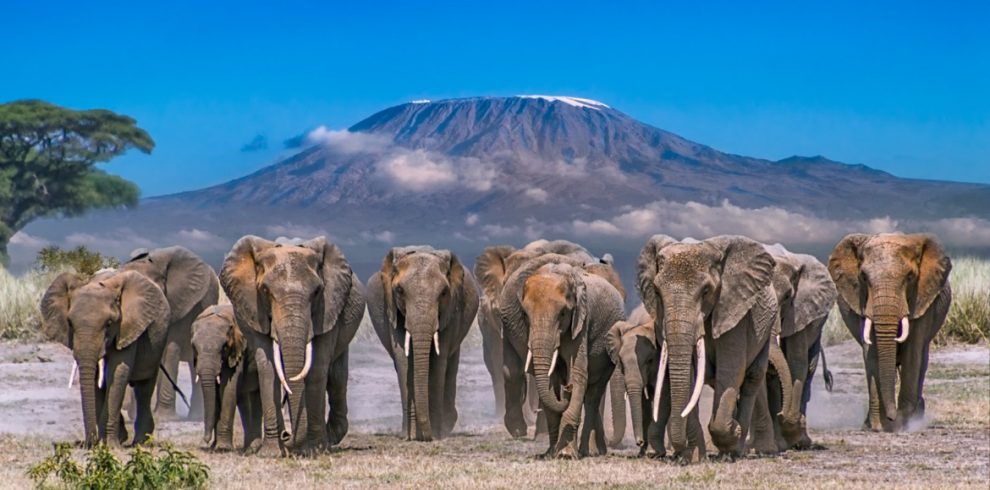
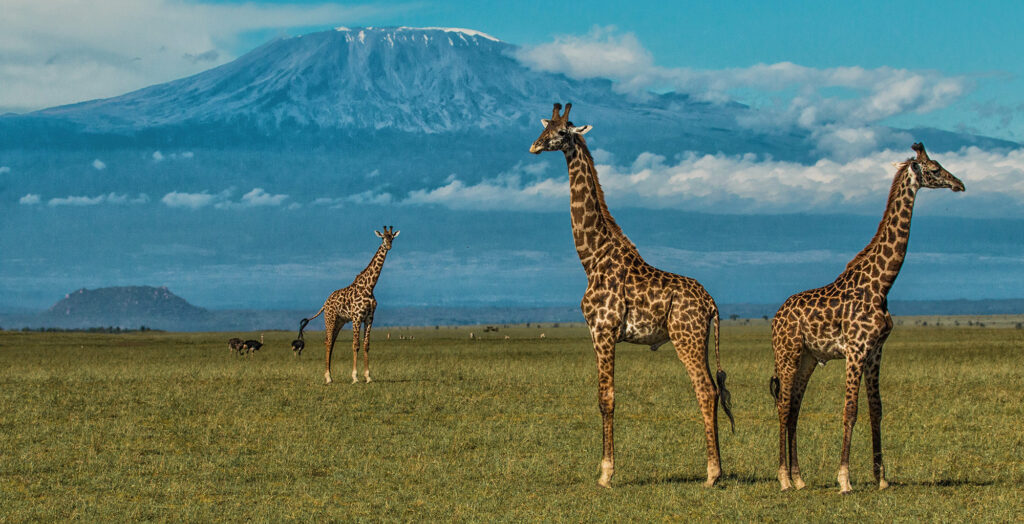
Amboseli’s landscapes make every bird photograph extraordinary. The backdrop of Kilimanjaro, open skies, and earthy tones create compositions that feel cinematic.
Here’s how to make the most of it:
-
Timing: Early morning and late afternoon bring soft light and active birds.
-
Equipment: A telephoto lens (200–400mm) captures distant species without intrusion.
-
Perspective: Use the mountain or wetlands as framing elements.
-
Behavior Shots: Wait for feeding, preening, or flight moments — they tell better stories than still poses.
On the Amboseli Elephant Safari, Woodsly Adventures integrates bird photography sessions with wildlife drives, helping photographers capture both diversity and depth in a single trip.
6. The Marshes – A Wetland Wonderland
If Amboseli has a heart, it beats in its marshes. Fed by Kilimanjaro’s underground streams, they stay green even as the plains dry, providing refuge for hundreds of species.
Here, you’ll see:
-
Herons standing still as statues.
-
Egrets glowing white against emerald grasses.
-
African Spoonbills sweeping their unique bills through shallow water.
-
Jacanas and ducks gliding across lilies.
The marshes aren’t just scenic — they’re alive with sound and rhythm. The soft hum of insects, the rustle of reeds, and the chorus of calls create a soundtrack that feels ancient and endless.
Woodsly Adventures often schedules slow, quiet drives or guided walks around these wetlands to give birders time to observe and connect with nature’s subtler beauty.
7. Birds of Prey and the Drama of the Skies
While Amboseli is gentle in mood, its skies host fierce predators. Raptors dominate here, using the thermal currents rising from the plains to patrol their territory.
Some of the most impressive include:
-
Bateleur Eagle: Known for its short tail and striking red face.
-
Martial Eagle: Africa’s largest eagle — strong enough to hunt small antelope.
-
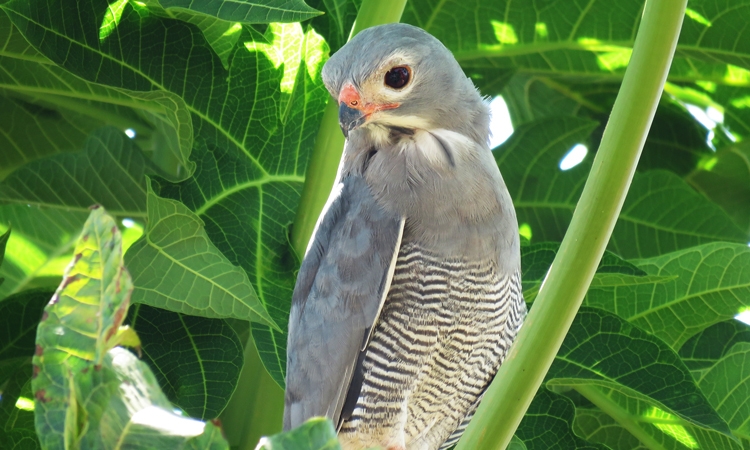
Augur Buzzard: Often seen circling near the foothills of Kilimanjaro.
-
Lanner Falcon and African Hobby: Masters of speed and precision.
Watching these birds hunt or soar above the plains adds an exhilarating layer to Amboseli’s serenity. Their presence reminds us that even in beauty, nature holds power.
8. Cultural and Ecological Importance of Birdlife
To the Maasai communities who call Amboseli home, birds carry meaning. Their songs mark seasons, migrations predict weather, and certain species symbolize good fortune or guidance.
Ecologically, birds are vital to Amboseli’s balance — pollinating plants, dispersing seeds, and controlling insects. Every sighting becomes not just a photo opportunity, but a glimpse into an intricate natural system that has evolved over millennia.
Woodsly Adventures supports eco-conscious travel that values these relationships. By choosing ethical birding tours, you contribute to local conservation and community empowerment — ensuring Amboseli’s skies remain full of wings for generations to come.
9. Combine Birding with Other Safari Experiences
Birdwatching doesn’t exist in isolation. Amboseli’s location makes it easy to combine with other remarkable destinations, offering contrast and variety.
-
Masai Mara Safari: Witness grassland species and the Great Migration’s scavenger dynamics.
-
Tsavo National Park Adventure: Discover arid-adapted species like the Somali ostrich and vulturine guineafowl.
-
Mombasa Beach Retreat: Relax after your safari and spot coastal birds like terns and sandpipers.
-
Wasini Island Marine Park Excursion: Extend your birdwatching to the ocean — where seabirds meet dolphins and coral reefs.
Woodsly Adventures can craft tailor-made birding itineraries that blend Amboseli’s wetlands with Kenya’s other ecosystems, creating a complete avian adventure from mountain to sea.
10. Conclusion – Listen to the Wind, Watch the Sky
Amboseli is more than a safari park — it’s a living orchestra. Every flutter, every cry, every color tells part of a vast, interconnected story.
For bird lovers, it’s a revelation: a place where even the smallest movement catches the eye and the heart. For travelers, it’s a reminder that beauty is often found not in grand spectacles, but in delicate moments — a sunbird at dawn, a heron taking flight, a shadow crossing the marsh.
An Amboseli Birdwatching Safari with Woodsly Adventures is more than an activity. It’s an experience of stillness, awe, and gratitude — where you don’t just see nature, you feel part of it.
Book your Amboseli Elephant Safari today, and let the sky above Amboseli introduce you to the language of wings.