Some landscapes are defined by a single feature so powerful it shapes everything around it. For Amboseli National Park, that feature is Mount Kilimanjaro. Rising over 19,000 feet, Africa’s tallest mountain stands silent and eternal, its snow-capped summit visible for miles across the plains.
From dawn until dusk, Kilimanjaro dominates the horizon — sometimes clear and sharp, other times veiled in cloud or dust. Yet no matter how it appears, it commands the imagination. The mountain isn’t just a view; it’s a presence. For the wildlife, it offers life through underground streams. For travelers, it offers perspective — a reminder of how small we are in nature’s grand design.
With Woodsly Adventures, visitors experience this harmony up close. Amboseli’s safaris unfold in the shadow of Kilimanjaro, where every photograph, every sunrise, and every elephant sighting is framed by the mountain’s majestic outline.
Table of Contents
-
Kilimanjaro: The Silent Guardian of Amboseli
-
The Science Behind the Snow-Capped Peak
-
The Spirit and Symbolism of Kilimanjaro in Kenyan Culture
-
Photographing Kilimanjaro – Light, Composition, and Magic
-
Wildlife and the Mountain – Amboseli’s Natural Harmony
-
The Elephant Connection – Giants Beneath the Great Mountain
-
Kilimanjaro and the Changing Climate
-
The Human Stories of the Mountain’s Shadow
-
Experiencing Kilimanjaro’s Majesty with Woodsly Adventures
-
Conclusion – The Mountain That Lives in Memory
1. Kilimanjaro: The Silent Guardian of Amboseli
Standing on Amboseli’s open plains, Kilimanjaro feels impossibly close — so vast and still that it seems to watch over everything below. Though technically across the border in Tanzania, its grandeur belongs as much to Kenya as to Africa itself.
From the marshes to the acacia woodlands, every view in Amboseli is touched by the mountain’s presence. At sunrise, it glows gold and pink; by midday, its white crown gleams against the endless blue. As evening falls, its silhouette turns violet in the fading light.
For Amboseli’s wildlife, Kilimanjaro is more than scenery — it’s life itself. The snow that melts from its summit feeds underground springs, creating the park’s vital swamps and wetlands. Without the mountain, Amboseli would be dry dust. With it, life thrives.
This balance between mountain and plain defines Amboseli’s spirit — one of resilience, grace, and awe.
2. The Science Behind the Snow-Capped Peak
Kilimanjaro’s snow has fascinated travelers for centuries. Lying almost directly on the equator, it seems impossible that such a mountain could carry ice and snow. Yet its elevation creates its own microclimate — one where glaciers can form even in tropical Africa.
The mountain is made up of three volcanic cones: Kibo, Mawenzi, and Shira. Kibo, the tallest, is home to the iconic Uhuru Peak and the famous white cap that glistens in Amboseli’s skyline.
From Amboseli, travelers can sometimes see the entire mass rising above the clouds. Guides from Woodsly Adventures often point out the shimmering reflection of the glaciers at sunrise — a sight that leaves even seasoned adventurers speechless.
While the snows of Kilimanjaro have retreated in recent decades due to climate change, their brilliance endures, reminding visitors of nature’s power and fragility.
3. The Spirit and Symbolism of Kilimanjaro in Kenyan Culture
For the Maasai people who live around Amboseli, Kilimanjaro is sacred. They call it Ol Doinyo Oibor — “The White Mountain.” In their traditions, it is a symbol of purity, endurance, and ancestral strength.
The Maasai believe the mountain connects the heavens and the earth. Its snow represents the presence of the divine, and its waters give life to their cattle and families. To stand beneath it is to stand close to something eternal.
For travelers, that same energy is palpable. Whether you’re on a morning game drive or watching the mountain emerge from mist, Kilimanjaro fills the soul with calm and wonder. It’s not just a landmark; it’s a living spirit that defines the Amboseli experience.
When you travel with Woodsly Adventures, guides share not only the scientific wonders but also these cultural stories, deepening the connection between traveler and landscape.
4. Photographing Kilimanjaro – Light, Composition, and Magic
Few places in the world offer photographers such a perfect natural frame. Elephants grazing in golden light, acacia trees silhouetted against the horizon, and Kilimanjaro towering above — it’s a scene that belongs on every traveler’s bucket list.
To capture Kilimanjaro at its best, timing is everything.
-
Early mornings often bring the clearest visibility before the day’s heat draws clouds around the summit.
-
Late afternoons offer a different mood — deeper colors, long shadows, and glowing skies.
-
During the green season, reflections in Amboseli’s wetlands add layers of depth and color.
For guests on Woodsly Adventures’ Amboseli Elephant Safari, every drive is planned to align with these natural rhythms. Guides know the best vantage points for composition — whether you’re a professional photographer or simply someone who loves beauty.
Each click of the camera captures not just an image, but a feeling — the essence of Africa beneath its greatest mountain.
5. Wildlife and the Mountain – Amboseli’s Natural Harmony
Amboseli’s wildlife lives in constant relationship with Kilimanjaro’s rhythm. The mountain’s hidden springs feed the marshes where elephants cool themselves, hippos wallow, and buffalo graze.
The dry season, when much of Kenya’s land bakes under the sun, still sees Amboseli alive and green thanks to the mountain’s water. Herds gather around Enkongo Narok and Ol Tukai swamps, creating scenes that feel painted by nature itself.
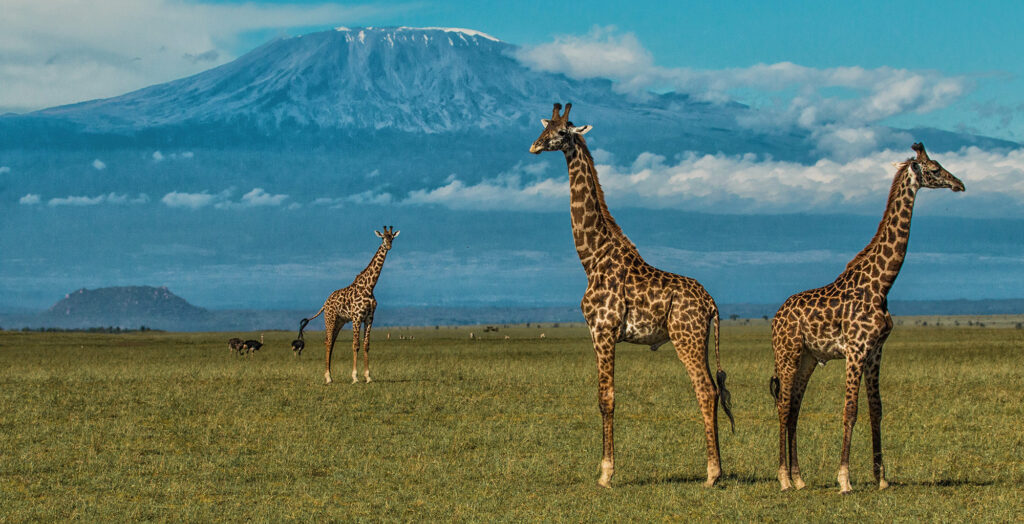
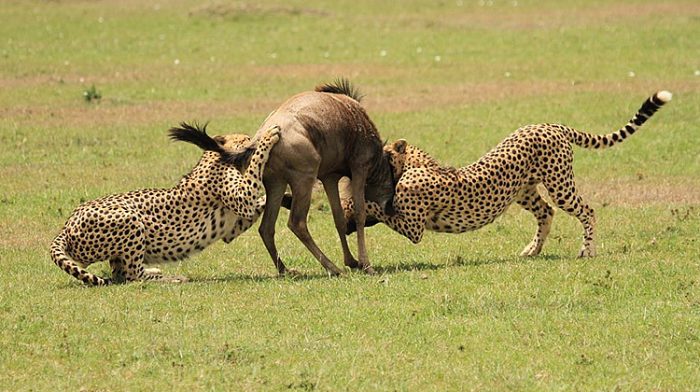
Predators such as lions and hyenas linger nearby, drawn by the abundance of prey. Giraffes stretch their long necks to browse on umbrella acacias, while flamingos color the shallows in soft pink hues.
It’s this balance — the power of Kilimanjaro and the pulse of life below — that makes Amboseli a living masterpiece.
6. The Elephant Connection – Giants Beneath the Great Mountain
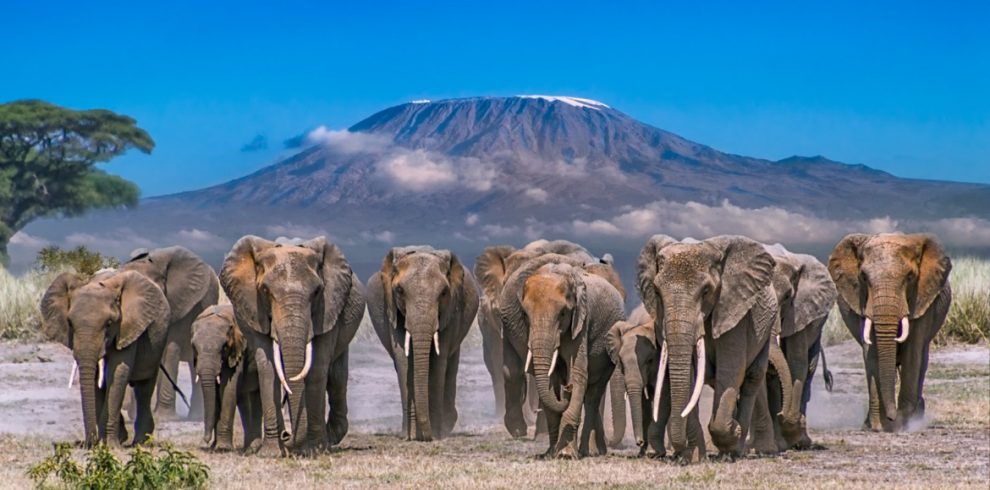
Perhaps no image defines Amboseli more than that of elephants walking beneath Kilimanjaro. Their immense bodies move slowly across the plains, dust rising at their feet, while the mountain looms silently above.
These elephants are among the most studied in Africa, known for their intelligence, strong family bonds, and impressive tusks. Watching them move together across the open land is an experience that lingers long after the trip ends.
Woodsly Adventures offers travelers the chance to witness this majestic harmony in person. The connection between elephants and Kilimanjaro isn’t just visual — it’s symbolic. Both represent endurance, wisdom, and timeless grace.
For photographers and dreamers alike, this is the quintessential African scene — pure, proud, and unforgettable.
7. Kilimanjaro and the Changing Climate
While Kilimanjaro still reigns as Africa’s white-capped jewel, its glaciers have been shrinking for decades. Scientists estimate that more than 80 percent of the mountain’s ice has vanished in the past century.
The causes are complex — global warming, deforestation, and shifting weather patterns all play a part. The loss of snow affects not only the visual beauty of the mountain but also the delicate water balance that sustains Amboseli’s wetlands.
Woodsly Adventures is deeply committed to promoting sustainable tourism that supports conservation efforts. By traveling responsibly — choosing eco-friendly lodges, minimizing waste, and supporting local communities — visitors help protect Amboseli’s fragile ecosystem for generations to come.
Every safari becomes a partnership with nature, ensuring that the spirit of Kilimanjaro endures long after the journey ends.
8. The Human Stories of the Mountain’s Shadow
Life beneath Kilimanjaro moves to its own rhythm. The Maasai continue to herd their cattle across the plains, their red shukas bright against the earth. Nearby, local farmers depend on the fertile soils enriched by ancient volcanic ash.
These communities have adapted to Kilimanjaro’s moods for centuries — celebrating the rains, enduring the droughts, and honoring the mountain’s power through story and song.
Travelers with Woodsly Adventures can visit Maasai villages to learn how traditional life thrives alongside conservation. These encounters remind visitors that Amboseli’s magic isn’t just in its wildlife or views, but also in its people — those who live every day in harmony with the land.
9. Experiencing Kilimanjaro’s Majesty with Woodsly Adventures
To experience Amboseli is to stand in the mountain’s shadow and feel its quiet strength. Woodsly Adventures brings travelers closer to that feeling through expertly curated itineraries that blend adventure, comfort, and authenticity.
Start your journey on the Amboseli plains, where elephants and Kilimanjaro share the same skyline. Continue to Tsavo National Park for red-dusted landscapes and dramatic terrain. Then head north to the Masai Mara Safari for the Great Migration.
Finally, rest by the ocean with a Mombasa Beach Retreat or sail to paradise on the Wasini Island Marine Park Excursion.
Each destination complements the other — mountain, plain, and sea — forming a journey through the soul of Kenya.
10. Conclusion – The Mountain That Lives in Memory
There are places you visit, and there are places that stay with you. Amboseli belongs to the latter. And within it, Kilimanjaro reigns eternal — a silent witness to the dance of elephants, the flight of birds, and the rise and fall of the seasons.
Its snow may melt, and its clouds may hide it at times, but its spirit never fades. To see it once is to remember it forever.
When you travel with Woodsly Adventures, you don’t just see Kilimanjaro from Amboseli — you feel it. You experience its grace, its mystery, and its timeless connection to the land and life below.
Book your Amboseli Elephant Safari today and discover the spirit of Kilimanjaro — where Africa’s tallest mountain meets the beating heart of the wild.