There are places in the world that you photograph, and then there are places that photograph you — leaving their light imprinted on your memory forever. Amboseli National Park belongs to the latter.
At the foot of Mount Kilimanjaro, Africa’s highest peak, Amboseli stretches in golden plains, acacia woodlands, and shimmering swamps that teem with life. But what sets it apart isn’t just the scenery — it’s the way the light changes, the dust glows, and the animals seem to move in rhythm with the land itself.
For photographers — whether amateur enthusiasts or seasoned professionals — Amboseli is a dreamscape. Every sunrise feels like a stage set for nature’s greatest show. Every frame carries the silent power of Africa’s wild heart.
With Woodsly Adventures, you can do more than witness this magic; you can capture it. Their expert-guided photography safaris are designed to position you in the right place, at the right moment, under the perfect light — every time.
Table of Contents
-
Why Amboseli Is a Dream for Photographers
-
Mount Kilimanjaro – Africa’s Most Photographed Backdrop
-
The Red Elephants of Amboseli – Nature’s Moving Masterpieces
-
Light and Landscape – Painting with Dust and Sky
-
Wildlife Encounters Through the Lens
-
Cultural Portraits – The Human Story of the Maasai
-
Photography Tips from the Experts at Woodsly Adventures
-
Combining Amboseli with Other Iconic Photo Destinations in Kenya
-
Planning the Perfect Photography Safari
-
Conclusion – Frame the Wild, Keep It Forever
1. Why Amboseli Is a Dream for Photographers
Amboseli’s visual diversity makes it one of Africa’s most photogenic parks. Within a few kilometers, you can capture elephants walking through salt flats, flamingos wading in reflective lakes, and herds of wildebeest grazing against a snow-capped mountain.
The park’s open plains offer unobstructed visibility, giving photographers the freedom to frame wide-angle compositions or intimate portraits without distractions. The contrast between the red earth, blue sky, and white Kilimanjaro summit provides a naturally cinematic color palette.
Add to that the gentle rhythm of the wildlife — elephants, zebras, lions, giraffes, and over 400 bird species — and Amboseli becomes a photographer’s classroom, muse, and masterpiece all at once.
With Woodsly Adventures, guests enjoy specialized photography-focused safaris that include custom vehicle setups, early access to key sites, and guides trained to understand light, distance, and perspective — because timing, in Amboseli, is everything.
2. Mount Kilimanjaro – Africa’s Most Photographed Backdrop
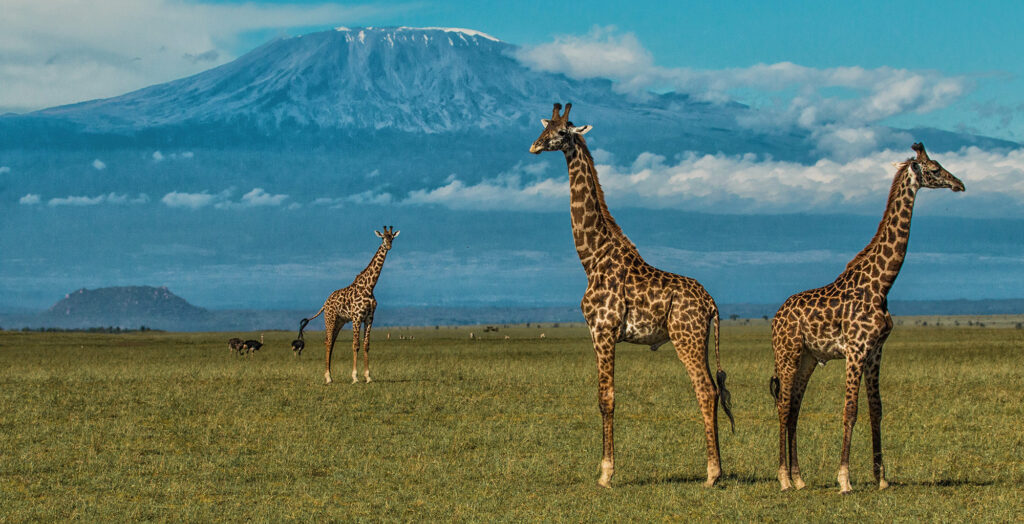
Few natural backdrops compare to Mount Kilimanjaro, and Amboseli offers the most iconic view of it. Rising 5,895 meters above the savannah, its snowcapped peak floats like a dream above the horizon.
Photographers often wake before dawn to catch the first light on Kilimanjaro’s slopes, when the air is still and the mountain reveals itself before clouds roll in. The contrast between the glowing peak and the shadowed plains creates a perfect dynamic range.
For the best compositions, Woodsly Adventures guides position travelers along the marshlands or Enkongo Narok swamp, where elephants and buffaloes graze in the foreground. When the golden light of morning touches their backs, the result is an image that embodies Kenya’s soul — wild, free, and timeless.
3. The Red Elephants of Amboseli – Nature’s Moving Masterpieces
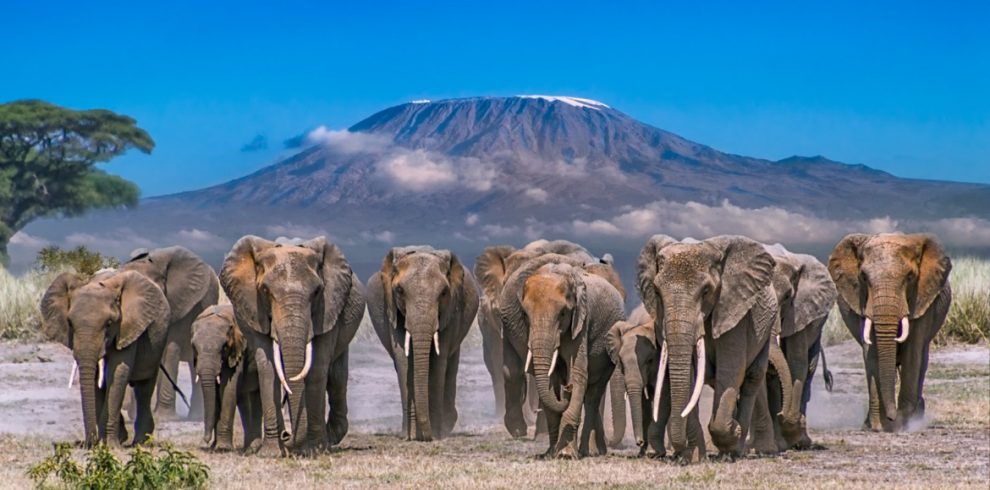
No photograph of Amboseli is complete without its most famous residents: the red elephants.
These majestic giants aren’t actually a different species — their rusty hue comes from the park’s distinctive red volcanic soil. Watching them dust themselves and walk in procession against the glowing savannah is one of Africa’s greatest spectacles.
For photographers, they’re the perfect subjects — graceful, emotional, and immense. Amboseli’s elephants are also some of the most habituated in Kenya, allowing for close yet respectful encounters.
Early morning or late afternoon light highlights the texture of their skin and the swirl of red dust around them. Woodsly Adventures’ guides know the best routes to track these herds safely, giving you the chance to capture their interactions, from tender moments between mothers and calves to dramatic marches across open plains.
Every photograph of an Amboseli elephant tells a story — of endurance, community, and the raw beauty of the wild.
4. Light and Landscape – Painting with Dust and Sky
Amboseli is not just about what you see; it’s about how it feels.
During the dry season, the air carries fine red dust that softens sunlight into a warm, golden haze. This natural filter creates cinematic depth, turning even ordinary scenes into masterpieces. In the wet season, the grasslands turn emerald green, the skies mirror the plains, and the contrast becomes breathtaking.
The light shifts quickly, especially at sunrise and sunset, offering opportunities for both high-contrast and soft-focus compositions.
Woodsly Adventures tailors each day’s schedule around the best light conditions, ensuring you capture Amboseli at its most expressive — from dawn’s first shimmer to twilight’s last glow.
5. Wildlife Encounters Through the Lens
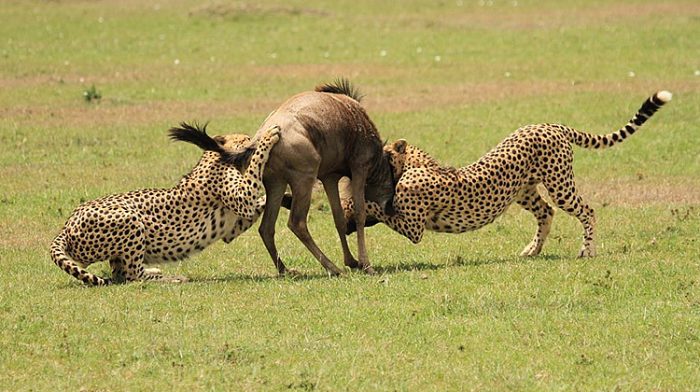
Amboseli may be known for elephants, but its wildlife is wonderfully diverse. Lions lounge beneath acacias, cheetahs stalk silently through the grass, giraffes stretch into the sky, and hyenas patrol the dusty tracks at dawn.
Because the park’s vegetation is sparse, animals are often visible even from a distance — ideal for both telephoto and wide-angle photography. The marshlands attract hippos, antelope, and countless bird species, while the open plains frame dramatic predator-prey interactions.
For a layered composition, photographers often use the backdrop of Kilimanjaro or the shimmering mirage of Lake Amboseli. With the guidance of Woodsly Adventures’ expert trackers, you’ll learn to anticipate animal behavior — to capture not just motion, but emotion.
6. Cultural Portraits – The Human Story of the Maasai
Beyond the wildlife, Amboseli is alive with human culture — particularly the Maasai people, whose bright attire and proud traditions bring another dimension to your photography.
Visiting a Maasai village with Woodsly Adventures allows guests to respectfully photograph ceremonies, daily life, and portraits of warriors and artisans. The play of color — red shukas against golden light — is visually stunning.
Yet, these images mean more when taken with understanding. Woodsly Adventures emphasizes cultural sensitivity, ensuring every photo opportunity honors Maasai dignity and partnership.
For photographers seeking depth beyond landscapes, Maasai portraits capture the heart of Amboseli’s living heritage — a balance between people and nature.
7. Photography Tips from the Experts at Woodsly Adventures
The guides at Woodsly Adventures aren’t just drivers — they’re photographers’ allies. They understand light angles, positioning, and how to minimize vehicle movement for sharper shots.
Here are their top Amboseli photography tips:
-
Use the golden hours: Early morning and late afternoon give you the best color, texture, and contrast.
-
Experiment with scale: Frame elephants or giraffes against Mount Kilimanjaro to emphasize perspective.
-
Go low: Shooting from a lower angle makes animals appear larger and more dramatic.
-
Respect the distance: Amboseli’s animals are wild — always use zoom lenses instead of approaching too closely.
-
Carry protection: The dust can be relentless. Use camera covers and lens filters to safeguard your gear.
Woodsly Adventures also offers private photographic safaris with vehicle modifications that allow 360° rotation and unobstructed shooting from every seat — ideal for professionals and enthusiasts alike.
8. Combining Amboseli with Other Iconic Photo Destinations in Kenya
Amboseli is stunning, but it’s only part of Kenya’s photographic story. Woodsly Adventures helps travelers create journeys that connect the country’s most visually striking landscapes.
-
Masai Mara Safari: Capture the Great Migration, big cat hunts, and sweeping savannah horizons.
-
Tsavo National Park Adventure: Explore rugged red terrain, volcanic formations, and massive elephant herds.
-
Mombasa Beach Retreat: End your photography journey with sunrise seascapes and coastal culture.
-
Wasini Island Marine Park Excursion: Dive into underwater photography amid coral reefs and dolphins.
These combinations create a complete visual journey — from mountain shadows to ocean reflections — all expertly planned and supported by Woodsly Adventures.
9. Planning the Perfect Photography Safari
Every photographer’s vision is different, which is why Woodsly Adventures crafts safaris around your creative goals.
Their team helps you plan based on:
-
Season: The dry season (June–October) is ideal for clarity and wildlife visibility; the green season (March–May) offers moody skies and color.
-
Focus: Choose between wildlife, landscapes, or cultural photography — or blend all three.
-
Equipment: Whether you shoot DSLR, mirrorless, or mobile, Woodsly’s guides know how to position you for the best angles.
-
Pacing: Flexibility is key. Photo safaris allow you to linger longer at a scene until the light is just right.
With private vehicles, experienced driver-guides, and a commitment to ethical travel, Woodsly Adventures ensures your safari isn’t rushed — it’s deliberate, patient, and rewarding.
10. Conclusion – Frame the Wild, Keep It Forever
Amboseli is more than a destination — it’s a living studio of light and life.
Here, every sunrise paints the savannah in gold, every dust trail tells a story, and every animal silhouette becomes a memory that endures long after the shutter closes.
To photograph Amboseli is to witness Africa’s wild heart — but to do it with Woodsly Adventures is to experience it in its purest form: respectful, ethical, and unforgettable.
So whether you’re chasing the glow of Kilimanjaro, the majesty of the red elephants, or the quiet poetry of Maasai culture, let Woodsly Adventures guide your lens. Because in Amboseli, every frame is a masterpiece waiting to be captured — and every photograph is a love letter to the wild.
Book your Amboseli Elephant Safari today and start framing your own story beneath Africa’s most beautiful mountain.