Few encounters in the wild compare to standing before an elephant in Amboseli National Park. The way they move — slow yet deliberate, powerful yet peaceful — captivates every traveler who comes to Kenya. Their presence feels ancient, wise, and almost human.
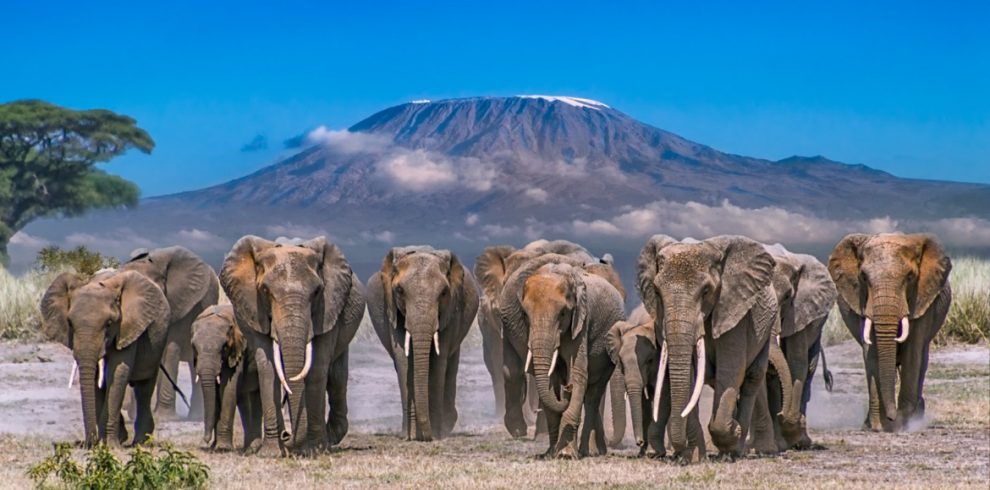
In Amboseli, elephants are more than wildlife; they’re symbols of grace, memory, and connection. Watching a herd march across the plains with Mount Kilimanjaro in the background is like witnessing a story that began long before our time.
Through the lens of Woodsly Adventures, these elephants aren’t just animals — they are teachers. Each encounter reveals something about nature, family, and the delicate balance that keeps the savannah alive.
Table of Contents
-
Why Amboseli Is the Best Place to See Elephants
-
The Elephant Family – Matriarchs and Bonds
-
Communication – How Elephants Speak Without Words
-
The Role of Memory and Emotion
-
The Daily Life of an Amboseli Elephant
-
Challenges and Conservation Efforts
-
The Ethics of Elephant Tourism
-
Witnessing Elephant Behavior with Woodsly Adventures
-
Exploring Beyond Amboseli
-
Conclusion – A Lesson in Wisdom and Connection
1. Why Amboseli Is the Best Place to See Elephants
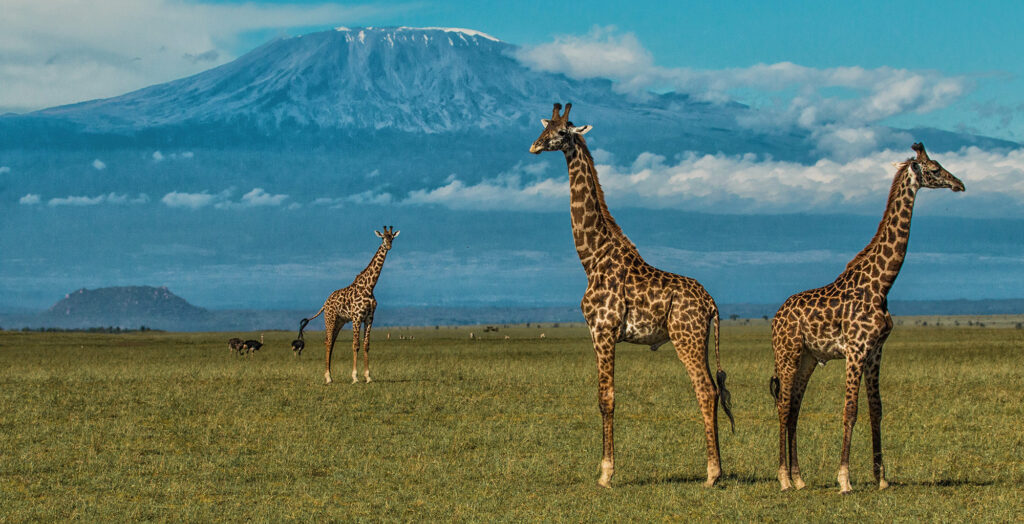
Amboseli is often called “The Land of Giants” — and for good reason. The park is home to some of Africa’s largest and most studied elephant herds.
Here, elephants roam freely across open plains, marshes, and acacia woodlands. The visibility is unmatched, allowing visitors to observe these magnificent creatures up close without disturbing their natural behavior.
Amboseli’s elephants are famous for their long tusks and gentle temperaments, thanks to decades of research and protection under Kenya Wildlife Service and the Amboseli Trust for Elephants.
It’s not just about seeing elephants; it’s about understanding them — their relationships, emotions, and intelligence. And no safari company does this better than Woodsly Adventures, whose experienced guides help travelers interpret what they see through storytelling and conservation insight.
2. The Elephant Family – Matriarchs and Bonds
Elephants are highly social animals, and their family structures mirror our own in many ways. A typical Amboseli herd consists of related females and their calves, led by the oldest and wisest female — the matriarch.
Her role is vital. She guides the herd to food and water, mediates conflicts, and ensures the safety of younger elephants. Her experience — built over decades — can mean the difference between survival and danger.
Calves grow up surrounded by love and discipline. Older siblings help care for the young, teaching them how to behave, where to find food, and how to interact with the herd. The bond between mothers and calves is especially deep — scientists have observed elephants grieving when one of their own dies.
Witnessing these interactions in Amboseli feels intimate. You begin to see parallels to human families — the playfulness, the affection, and the quiet leadership that defines community.
3. Communication – How Elephants Speak Without Words
Elephants are master communicators. While we often focus on their trumpeting calls, most of their communication happens at frequencies humans can’t hear.
Through infrasound, elephants send low-frequency vibrations that can travel several kilometers underground. These signals allow them to coordinate movements, warn of danger, or call distant family members.
They also communicate through body language — a raised trunk, a flap of the ears, or a gentle nudge can express curiosity, warning, or affection.
On a Woodsly Adventures Amboseli Elephant Safari, your guide will help decode these subtle gestures. You’ll start to notice how elephants greet each other, form protective circles around calves, or even celebrate reunions after long separations.
It’s not just observation — it’s understanding a language that transcends species.
4. The Role of Memory and Emotion
There’s a reason elephants are said to “never forget.” Their brains are among the largest of any land animal, capable of storing vast amounts of information.
Elephants remember waterholes, migration routes, and even individual humans for decades. This memory helps them survive through Kenya’s changing seasons — guiding their families safely across the savannah.
But memory isn’t just practical; it’s emotional. Elephants have been seen showing signs of joy, sorrow, and empathy. They mourn their dead, standing over bones and touching them gently with their trunks. They comfort distressed calves and form friendships that last a lifetime.
These behaviors remind us that intelligence isn’t measured only in words — it’s found in compassion, memory, and awareness. Amboseli gives travelers a front-row seat to this wisdom.
5. The Daily Life of an Amboseli Elephant
Life in Amboseli follows a gentle rhythm shaped by light, temperature, and water.
Morning: As the sun rises over Kilimanjaro, herds move from the forests and wetlands to open plains. It’s feeding time — grasses and shrubs make up the majority of their diet.
Midday: Elephants seek shade or head to the swamps to cool off. Watching them bathe is pure joy — they splash, roll, and spray water over each other like playful children.
Afternoon: They slowly begin their return journey, feeding and socializing along the way.
Evening: As dusk approaches, elephants rest under acacia trees or near water sources, their silhouettes framed by the setting sun.
On safari with Woodsly Adventures, you’ll witness these cycles firsthand — moments of strength, tenderness, and community unfolding naturally before you.
6. Challenges and Conservation Efforts
While Amboseli’s elephants thrive, they face growing challenges. Habitat loss, human-wildlife conflict, and climate change threaten their stability.
Conservation groups like the Amboseli Trust for Elephants have been studying and protecting these herds since the 1970s. Their long-term research has made Amboseli one of the best-documented elephant populations in the world.
By booking through Woodsly Adventures, travelers directly support eco-conscious tourism. The company partners with local communities and conservation initiatives, ensuring that every safari contributes to the protection of Amboseli’s ecosystem.
Tourism, when done responsibly, becomes a lifeline for elephants — funding research, employment, and education in the region.
7. The Ethics of Elephant Tourism
In Kenya, ethical tourism is about respect — for both wildlife and people.
True safari operators, like Woodsly Adventures, never promote activities that exploit or distress elephants. Instead, they emphasize observation from a respectful distance, allowing natural behavior to unfold undisturbed.
This approach not only protects the animals but also gives visitors a more authentic experience. Watching a mother elephant guide her calf across the plains feels far more meaningful when it’s natural, not staged.
Ethical safaris create awareness — turning travelers into advocates for conservation long after their journey ends.
8. Witnessing Elephant Behavior with Woodsly Adventures
Every Woodsly Adventures Amboseli safari is designed to bring travelers closer to the heart of the wild — safely, respectfully, and knowledgeably.
Guides are trained naturalists who understand elephant behavior deeply. They know when to approach, when to wait, and how to position you for incredible photographs without interfering with the animals’ space.
Whether you’re watching a herd cross a river or a bull elephant flapping his ears in gentle warning, your guide will explain what each gesture means.
And when the light turns golden in the late afternoon, and elephants walk slowly beneath Kilimanjaro’s towering peak, you’ll realize you’re witnessing something timeless — a connection between earth, animal, and spirit that no camera can fully capture.
You can book your personalized elephant experience through the official Amboseli Elephant Safari page or explore multi-park itineraries across Kenya at woodsyadventures.com.
9. Exploring Beyond Amboseli
If Amboseli introduces you to the soul of elephants, Kenya’s other parks show you the diversity of its wilderness.
-
Masai Mara Safari: Witness the Great Migration — millions of wildebeest and zebras on the move, pursued by lions and crocodiles.
-
Tsavo National Park Adventure: Explore red-earth landscapes and meet Tsavo’s famous red elephants, stained by the park’s iron-rich soil.
-
Mombasa Beach Retreat: Relax after your safari with ocean breezes and white-sand beaches.
-
Wasini Island Marine Park Excursion: Swim with dolphins and snorkel through coral reefs — the perfect coastal finale to your safari adventure.
Together, these experiences create a complete Kenyan journey — from the elephant herds of Amboseli to the shores of the Indian Ocean.
10. Conclusion – A Lesson in Wisdom and Connection
Spending time with elephants in Amboseli changes the way you see the world. You begin to understand patience in their slow movements, strength in their silence, and empathy in their touch.
They remind us that family, memory, and connection are the true treasures of life.
With Woodsly Adventures, your safari becomes more than a trip — it becomes a lesson in humility and harmony. You’ll leave Amboseli not just with photographs, but with a deeper appreciation for what it means to share the planet with such gentle giants.
So come, walk among legends. Let the elephants of Amboseli show you what it means to truly belong to the wild.