Introduction – Every Season Has Its Own Story
In Amboseli National Park, time doesn’t just pass — it paints. The golden plains shift in tone with the seasons, the marshes rise and fall with the rains, and Mount Kilimanjaro reveals a new face every few months.
Knowing the best time to visit Amboseli isn’t about chasing perfection — it’s about choosing the experience that speaks to you. Whether you dream of watching elephants in the dry season’s clarity or photographing birdlife in the emerald glow of the rains, Amboseli delivers magic year-round.
With Woodsly Adventures, every journey is timed to your vision. Here’s your complete month-by-month guide to Amboseli — Kenya’s jewel beneath Kilimanjaro.
Table of Contents
-
Understanding Amboseli’s Seasons
-
The Dry Season (June to October) – Clear Skies and Unforgettable Sightings
-
The Short Rains (November to December) – Beauty Returns in Green
-
The Wet Season (March to May) – Renewal and Solitude
-
The Transition Months – February and January
-
Month-by-Month Highlights
-
Wildlife Behavior Through the Seasons
-
Photography and Scenic Changes
-
When to Combine Amboseli with Other Kenya Adventures
-
Choosing the Perfect Time with Woodsly Adventures
1. Understanding Amboseli’s Seasons
Amboseli’s climate is shaped by its proximity to Mount Kilimanjaro and the surrounding plains. Unlike Europe or North America, Kenya doesn’t experience four traditional seasons — instead, there are two main dry periods and two rainy ones.
-
Dry Season: June–October and January–February
-
Wet Season: March–May (long rains) and November–December (short rains)
Each season brings its own character, influencing wildlife movement, vegetation, and even the mood of the park.
2. The Dry Season (June to October) – Clear Skies and Unforgettable Sightings
This is widely regarded as the best time to visit Amboseli National Park for classic safari experiences.
-
Weather: Cool mornings, sunny afternoons, and minimal rain.
-
Wildlife: Animals congregate around permanent water sources like Ol Tukai and Enkongo Narok Marshes, making sightings easy and frequent.
-
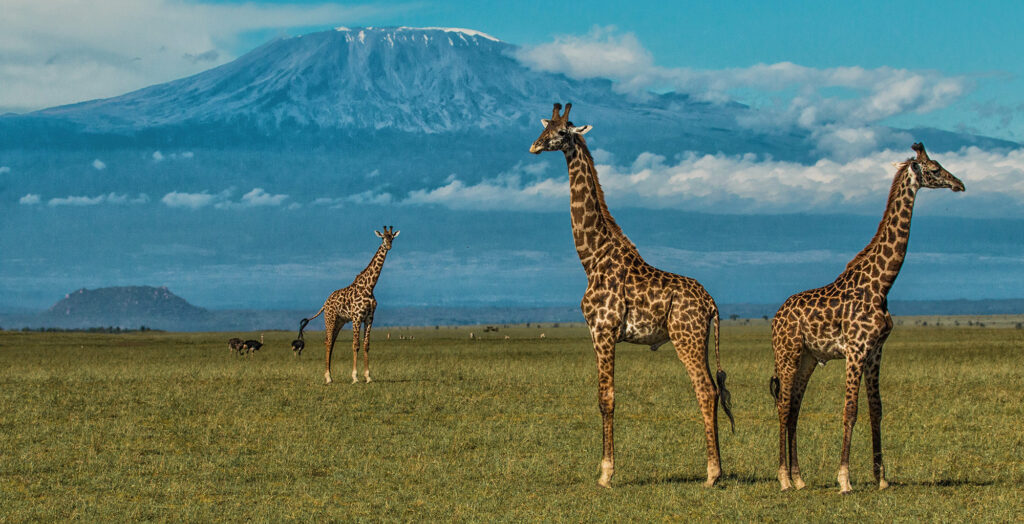
Scenery: Golden grasslands, crystal-clear views of Mount Kilimanjaro.
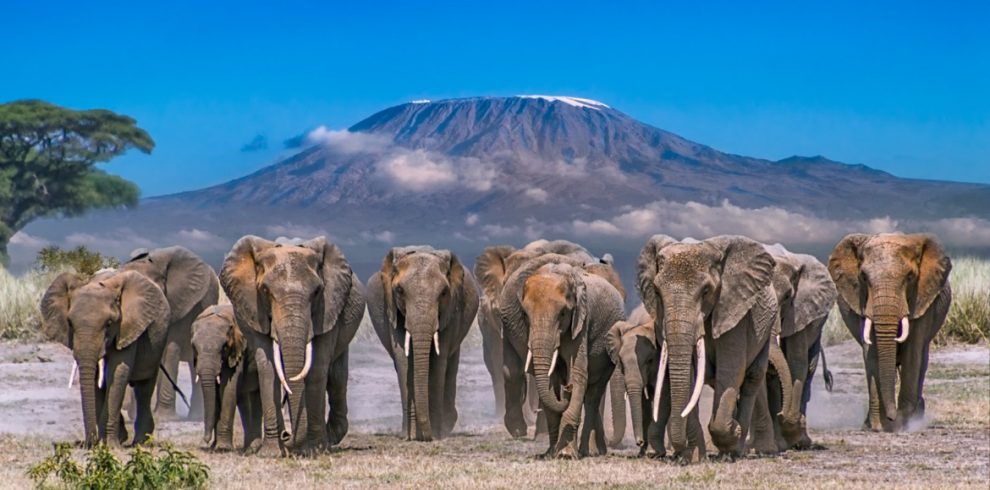
Game drives during these months are spectacular. Elephants are everywhere, lions and cheetahs are easier to spot in short grass, and the air feels crisp and calm.
This is also high season, so advance booking through Woodsly Adventures ensures the best lodges and guides for your travel dates.
3. The Short Rains (November to December) – Beauty Returns in Green
When the first rains fall, Amboseli transforms almost overnight. The dust settles, new grass sprouts, and the landscape glows in vibrant shades of green.
For travelers who prefer fewer crowds, this is a wonderful time. Wildlife remains abundant, and migratory birds from Europe and Asia arrive in impressive numbers.
The rains are usually short and fall in the late afternoon, leaving mornings clear for safaris. Photography during this period is stunning — stormy skies, dramatic light, and reflections across shallow pools.
It’s a time when Amboseli feels alive, breathing with renewal and color.
4. The Wet Season (March to May) – Renewal and Solitude
This is Amboseli’s long rainy season, when heavy afternoon showers sweep across the plains. While some travelers avoid this period, it’s a secret favorite for photographers, birders, and those seeking solitude.
-
Weather: Warm with frequent afternoon rain, occasional thunderstorms.
-
Wildlife: Still active — elephants, buffalo, giraffes, and predators remain within sight.
-
Scenery: Lush, vivid green — the park at its most fertile.
Fewer visitors mean more intimate experiences. Lodges offer special rates, the air feels pure and alive, and Kilimanjaro often appears in breathtaking post-rain clarity.
If you’re looking for a peaceful, reflective safari, March through May might surprise you with its charm.
5. The Transition Months – February and January
January and February bridge Amboseli’s dry and wet cycles — a balance of perfect weather and excellent wildlife activity.
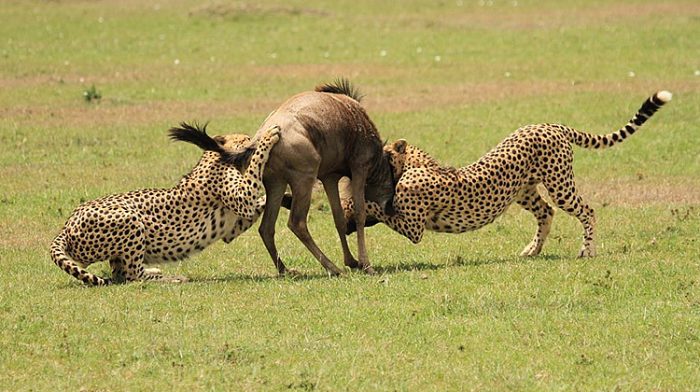
These months often provide some of the best Kilimanjaro views, with crystal skies and pleasant warmth. Many animals are calving, especially wildebeest and zebra, creating opportunities for dramatic predator interactions.
It’s also a beautiful time for couples and photographers — the light is soft, vegetation is short, and the energy of life is everywhere.
Woodsly Adventures often recommends this period for travelers who want great wildlife visibility without the peak-season crowds.
6. Month-by-Month Highlights
| Month | Experience | Notes |
|---|---|---|
| January | Warm, dry, great visibility | Excellent time for game drives and Kilimanjaro views |
| February | Calving season for herbivores | High predator activity, great photography |
| March | Start of long rains | Fewer visitors, lush scenery |
| April | Peak of long rains | Peaceful atmosphere, excellent birding |
| May | Rains taper off | Ideal for photographers and quiet safaris |
| June | Beginning of dry season | Clear, cool, abundant wildlife |
| July | Prime dry season | Great for family safaris and long stays |
| August | Consistent weather | Busy but perfect for all activities |
| September | Fewer crowds, warm light | Excellent for couples and photographers |
| October | End of dry season | Elephants congregate in large numbers |
| November | Short rains begin | Vibrant colors, migratory birds arrive |
| December | Green and festive | Perfect for holiday safaris with family |
Each month has its beauty — the key is matching your travel goals to Amboseli’s seasonal rhythm.
7. Wildlife Behavior Through the Seasons
Amboseli’s wildlife remains present all year, but behavior shifts with rainfall and vegetation.
-
Dry Season: Animals cluster around waterholes, making them predictable and easy to photograph.
-
Wet Season: The park fills with new life. Calves, foals, and chicks appear everywhere. Predators become more active as herds expand.
-
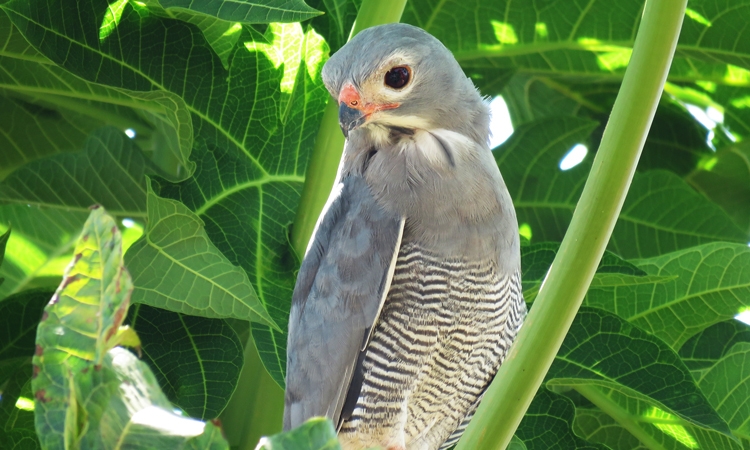
Birdlife: Over 400 species inhabit Amboseli, with migratory flocks arriving from November to April.
-
Elephants: Amboseli’s red-dusted giants can be seen year-round, but the dry season highlights their movement across the plains against Kilimanjaro’s backdrop.
Every safari with Woodsly Adventures is timed to align with these natural rhythms, ensuring guests witness Amboseli at its best.
8. Photography and Scenic Changes
For photographers, Amboseli is a landscape of shifting moods.
-
January–March: Crisp light, ideal for portraits and action shots.
-
April–May: Soft diffused light and stormy skies — perfect for dramatic compositions.
-
June–October: Sharp contrasts and golden tones for landscape photography.
-
November–December: Reflections after rainfall, bright greens, and rich bird activity.
Early mornings and late afternoons offer the best light, while Kilimanjaro often reveals itself fully just after dawn. Whether you’re a professional or a traveler with a smartphone, Amboseli’s palette never disappoints.
9. When to Combine Amboseli with Other Kenya Adventures
Amboseli’s seasons complement Kenya’s wider safari circuit, allowing Woodsly Adventures to design seamless year-round itineraries.
-
During the dry season (June–October), combine Amboseli with the Masai Mara Safari to witness the Great Migration.
-
In January–February, travel through Amboseli and Tsavo National Park Adventure for an incredible Big Five circuit.
-
The green season (November–May) is perfect for combining Amboseli with the coast — relax after your safari at the Mombasa Beach Retreat or enjoy marine life at Wasini Island Marine Park Excursion.
No matter the month, Kenya offers balance — wild adventure and tranquil rest — all orchestrated beautifully by Woodsly Adventures.
10. Choosing the Perfect Time with Woodsly Adventures
There’s no single “best” time to visit Amboseli — only the best time for you. Some travelers crave the excitement of the dry season; others fall in love with the peaceful green glow after rain.
The team at Woodsly Adventures understands these nuances. They’ll help you choose dates that match your interests — whether that’s photographing elephants under Kilimanjaro, birdwatching in full bloom, or celebrating a romantic escape in the golden months.
Their expertise ensures not just perfect timing, but perfect planning — from lodge selection to seamless transfers and guided experiences.
Book your Amboseli Elephant Safari today, and let every sunrise, rain shower, and sunset find you exactly where you’re meant to be — in the heart of Africa’s timeless rhythm.
Final Thoughts – The Beauty of Every Season
Amboseli doesn’t ask you to wait for the “right” time. Every month tells a new story — of resilience, renewal, and raw natural beauty. The elephants never leave, the mountain always stands watch, and the sky never looks the same twice.
Whether you arrive under the soft light of July or the emerald shimmer of April, Amboseli will show you something unforgettable.
Through Woodsly Adventures, your journey becomes more than a date on a calendar — it becomes a season in your memory.