Introduction – Beneath the Shadow of Kilimanjaro
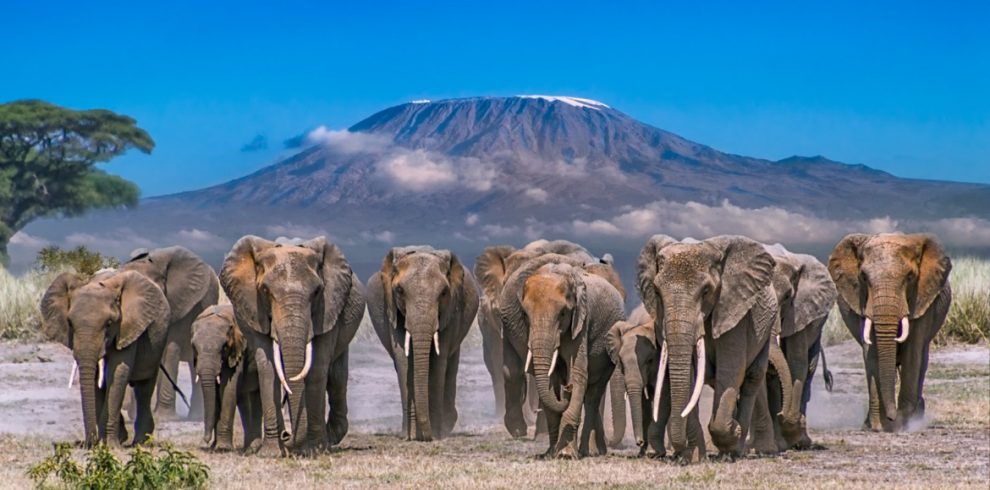
A soft rumble rolls across the plains. Dust rises in the golden light of dawn as a herd of elephants moves slowly through Amboseli National Park. Calves play at their mothers’ feet, trunks intertwine, and every step feels measured, deliberate, almost graceful.
To watch elephants in Amboseli is to witness intelligence, memory, and emotion at work. These are not mere animals—they are communities, families, and storytellers of the savannah.
Join Woodsly Adventures on an Amboseli Elephant Safari and learn the fascinating language of Africa’s gentle giants—creatures whose lives mirror our own more than we might imagine.
Table of Contents
-
The Elephant’s World – Why Amboseli Is a Living Classroom
-
Family and Structure – The Heart of Elephant Society
-
The Language of Elephants – Rumbles, Touch, and Memory
-
Emotion and Empathy – When Giants Feel
-
The Role of the Matriarch – Wisdom in the Wild
-
Daily Life in Amboseli – Feeding, Playing, and Traveling
-
Intelligence and Problem-Solving in Elephants
-
Challenges and Threats – Survival in a Changing Landscape
-
Conservation and Coexistence – The Amboseli Model
-
Learn from the Giants with Woodsly Adventures
1. The Elephant’s World – Why Amboseli Is a Living Classroom
Amboseli is one of the best places on Earth to observe elephants in their natural behavior. Over 1,600 elephants roam this region, many of them known individually to researchers through the Amboseli Elephant Research Project (AERP)—the world’s longest-running elephant study.
This long-term observation has given Amboseli a unique distinction: nearly every elephant here is part of a known family line, with life histories stretching back decades. As a result, travelers don’t just see elephants—they meet personalities with names, families, and stories.
The park’s open plains, swamps, and acacia woodlands create the perfect setting for watching how elephants live, communicate, and care for one another.
2. Family and Structure – The Heart of Elephant Society
Elephants are among the most social creatures in the animal kingdom. Each herd is built around the matriarch, the oldest and most experienced female. She leads her daughters, sisters, and their calves—sometimes spanning four generations.
Males leave the herd when they reach adolescence, around 12–15 years old, to live solitary lives or join loose bachelor groups. But among females, bonds last a lifetime.
Within the herd, every elephant has a role. Mothers protect and nurse, aunties babysit, older siblings playteacher, and calves learn by imitation. Their relationships are built on trust, cooperation, and shared memory—qualities that echo human family life in astonishing ways.
Watching a herd move across Amboseli’s plains is like watching a living orchestra. Each member moves in tune with the others, united by sound, scent, and purpose.
3. The Language of Elephants – Rumbles, Touch, and Memory
Elephants have one of the most sophisticated communication systems in the animal world.
They “speak” through a combination of vocal sounds, seismic vibrations, and body gestures. Low-frequency rumbles—so deep that humans can’t always hear them—travel through the ground for miles, reaching other elephants far away.
They also communicate through touch: a trunk laid gently on another’s face can mean reassurance; a raised trunk can signal alertness. Even ear flaps and tail movements convey emotion.
Scientists have documented more than 70 distinct elephant vocalizations, each expressing specific messages like greeting, warning, or calling a calf.
With Woodsly Adventures, you don’t just watch elephants—you learn to interpret these subtle cues, gaining insight into one of the most complex animal languages on Earth.
4. Emotion and Empathy – When Giants Feel
Elephants are emotional beings. They express joy, grief, fear, and affection with unmistakable sincerity.
When a member of the herd dies, elephants mourn. They touch the bones with their trunks, stand silently, and sometimes return to the site years later. Mothers who lose calves show signs of distress for days, while other herd members stay close to comfort them.
They also show remarkable empathy. Injured elephants receive help from others—sometimes even from unrelated herds. Calves that stray are gently guided back by older females.
In moments of happiness, elephants trumpet, flap their ears, and engage in playful “greetings” that involve trunk wrestling and mock charges. Their joy is as infectious as their sorrow is humbling.
To witness these emotions firsthand is to realize that wildlife conservation isn’t just about preserving species—it’s about protecting sentient lives.
5. The Role of the Matriarch – Wisdom in the Wild
The matriarch is the foundation of elephant society. Her experience ensures her family’s survival.
She remembers the locations of waterholes from years past, knows which routes are safe, and recognizes the calls of distant relatives. Her wisdom guides the herd through droughts and danger.
When she dies, leadership passes to her eldest daughter, and the cycle continues. Scientists in Amboseli have found that families with older matriarchs tend to have higher survival rates during crises—proof that knowledge, not strength, defines leadership.
For travelers with Woodsly Adventures, seeing a matriarch lead her family is often one of the most inspiring moments of the safari. Her calm authority and memory of the land reflect a kind of intelligence that commands respect.
6. Daily Life in Amboseli – Feeding, Playing, and Traveling
An elephant’s day revolves around movement, food, and family.
Elephants eat up to 150 kilograms of vegetation daily, spending about 16 hours foraging. In Amboseli, they feed on grasses, tree bark, and swamp plants. The park’s marshes, sustained by Kilimanjaro’s underground springs, provide vital water even during dry months.
Play is a vital part of elephant life, especially for calves. Young elephants chase birds, splash in mud, and test their trunks by pulling grass or mock-pushing each other. These playful activities help them build strength and coordination.
When the midday heat intensifies, elephants rest under acacias, fanning themselves with their ears to regulate temperature. By late afternoon, herds move again—sometimes walking long distances before gathering near waterholes to drink and bathe.
Every movement has purpose, every interaction meaning. Amboseli’s open terrain allows travelers to watch these behaviors unfold naturally and uninterrupted.
7. Intelligence and Problem-Solving in Elephants
Elephants are among the most intelligent non-human species on Earth.
They use tools—breaking branches to swat flies or digging for water with their tusks. They recognize themselves in mirrors, understand cooperation, and display long-term memory rivaling that of humans.
In Amboseli, elephants have been observed learning to avoid certain areas during tourist peak hours or moving silently around lion territories at night. Their ability to adapt quickly demonstrates not just intelligence but wisdom.
One of the most touching examples comes from elephants remembering specific humans. Researchers who worked in Amboseli decades ago have been recognized and approached gently by elephants they once studied—a living testament to their emotional and cognitive depth.
8. Challenges and Threats – Survival in a Changing Landscape
Despite their strength, elephants face growing challenges.
Habitat loss, climate change, and human-wildlife conflict continue to threaten populations across Africa. Fortunately, Amboseli remains a success story thanks to strong conservation partnerships between scientists, park rangers, and local Maasai communities.
The Amboseli Ecosystem Trust and Amboseli Elephant Research Project have created community-based initiatives that protect migration corridors and reduce conflict. Tourism revenue—especially from responsible companies like Woodsly Adventures—plays a crucial role in funding these programs.
When you choose ethical safari operators, your visit directly supports education, anti-poaching patrols, and habitat restoration.
9. Conservation and Coexistence – The Amboseli Model
Amboseli’s elephants thrive because of coexistence. The local Maasai people, who have lived alongside wildlife for generations, are integral to this balance.
Through eco-tourism, education, and sustainable land use, Amboseli has become a model for how humans and elephants can share the same land. The success of this model depends on continuous respect—for culture, for wildlife, and for the land itself.
Woodsly Adventures partners with lodges and guides who practice low-impact tourism and contribute to local development, ensuring that every safari benefits both elephants and people.
When travelers experience Amboseli mindfully, they become part of a legacy of stewardship and understanding.
10. Learn from the Giants with Woodsly Adventures
To understand elephants is to understand life itself—family, memory, patience, and compassion. Amboseli is their home, but it’s also a mirror that reflects our own humanity.
With Woodsly Adventures, your safari becomes more than sightseeing. It becomes a journey into the minds and hearts of the giants that define Africa’s soul.
The Amboseli Elephant Safari offers guided experiences led by expert naturalists who interpret every gesture, sound, and emotion you witness.
You can also combine this adventure with:
-
Tsavo National Park Adventure – follow the migration routes between Amboseli and Tsavo.
-
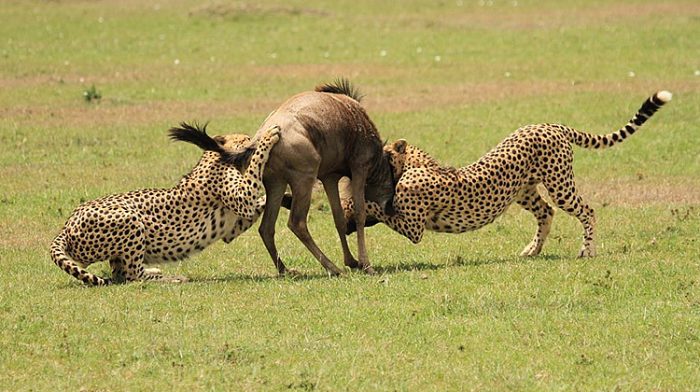
Masai Mara Safari – discover predator-prey interactions in Kenya’s most iconic reserve.
-
Mombasa Beach Retreat or Wasini Island Marine Park Excursion – unwind after your safari with ocean views and marine life encounters.
Every journey reveals new lessons about nature, connection, and care.
Final Thoughts – Wisdom of the Wild
In Amboseli, elephants are more than wildlife—they are living reminders of what patience, cooperation, and empathy mean.
To sit quietly and watch a matriarch guide her herd through the marshes is to understand something timeless. Her every step carries knowledge passed through generations, written not in words but in the rhythm of life itself.
Book your Amboseli Elephant Safari with Woodsly Adventures and experience the heart of Africa through the eyes of its most intelligent and emotional inhabitants—the gentle giants of Amboseli.