As the first light breaks over Mount Kilimanjaro, the sky above Amboseli National Park comes alive. Flamingos rise in synchronized flight, pelicans glide over the marshes, and lilac-breasted rollers flash brilliant color as they dance between acacia branches. The air hums with movement, song, and grace.
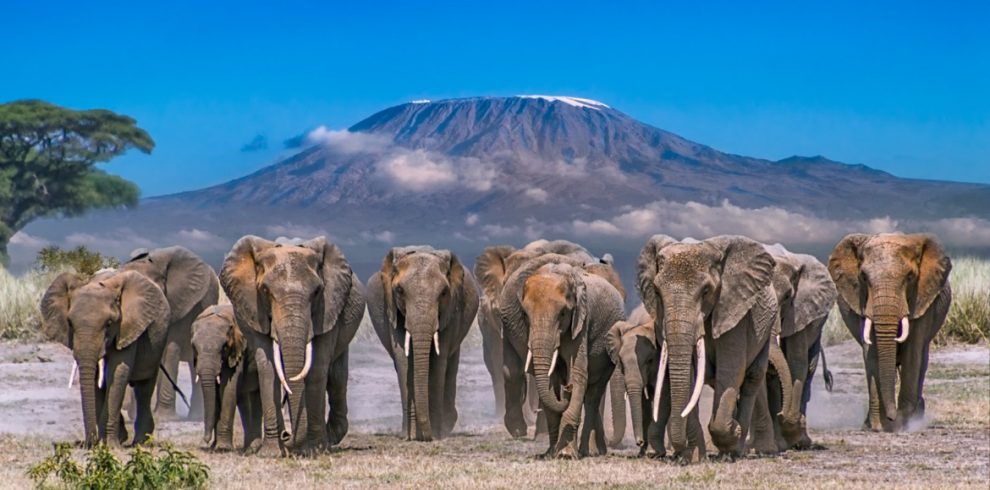
Amboseli is often celebrated as the land of elephants, but to birdwatchers, it’s something even more magical—a sanctuary of wings and wonder. With over 400 bird species, both resident and migratory, it’s one of East Africa’s most diverse birding destinations.
Join Woodsly Adventures on an unforgettable Amboseli Elephant Safari and experience the park not just as a safari, but as a symphony of life.
Table of Contents
-
Why Amboseli Is a Dream Destination for Birdwatchers
-
The Ecosystem That Attracts 400 Bird Species
-
Signature Birds of Amboseli National Park
-
Waterbirds of the Marshes – The Heartbeat of Amboseli
-
Raptors and Hunters of the Sky
-
Color and Song – The Small Birds That Steal the Show
-
Migratory Birds – Guests from Distant Lands
-
Best Seasons and Spots for Birdwatching in Amboseli
-
Birdwatching Tips and Photography Secrets
-
Experience Amboseli’s Birds with Woodsly Adventures
1. Why Amboseli Is a Dream Destination for Birdwatchers
Amboseli offers a unique mix of habitats—open plains, wetlands, acacia woodlands, and seasonal lakes—all within a compact area. This mosaic of environments supports one of the richest bird populations in Kenya.
Whether you’re an expert birder or a first-time enthusiast, Amboseli offers sightings that range from the spectacular to the subtle. One moment, you might spot a martial eagle soaring high above Kilimanjaro; the next, a tiny sunbird sipping nectar from a yellow acacia bloom.
The accessibility of Amboseli makes it even more special. Birds can be seen easily from safari vehicles or on short guided walks near lodges and swamps. Woodsly Adventures guides are trained to help travelers spot, identify, and photograph rare species—making every sighting memorable.
2. The Ecosystem That Attracts 400 Bird Species
Amboseli’s bird diversity stems from its distinct ecological zones. Each habitat supports its own collection of avian residents:
-
Marshes and wetlands (fed by underground springs from Mount Kilimanjaro) attract herons, storks, and waterfowl year-round.
-
Savannah and grasslands provide a hunting ground for raptors and a home for ground birds like bustards and coursers.
-
Acacia woodlands shelter songbirds, doves, and bee-eaters.
-
Seasonal lakes and pans draw flamingos and pelicans after the rains.
This variety of environments, compressed into such a manageable area, makes Amboseli one of the easiest places in Africa to see a huge number of species in a short time.
3. Signature Birds of Amboseli National Park
Some birds are so iconic that no Amboseli safari feels complete without them. Among these stars are:
-
African Fish Eagle – recognizable by its white head and piercing call, often perched near water.
-
Lilac-Breasted Roller – Kenya’s unofficial national bird, dazzling with its turquoise and purple plumage.
-
Grey Crowned Crane – a regal dancer of the wetlands with a golden crest that glows in sunlight.
-
Yellow-Billed Stork – tall, elegant, and always busy feeding in shallow pools.
-
Secretary Bird – a terrestrial raptor known for hunting snakes with lethal kicks.
-
Superb Starling – brilliant blue and orange feathers that shimmer in the light.
Each of these species adds color, rhythm, and character to Amboseli’s landscape. They remind visitors that beauty in the wild isn’t limited to the big mammals—it’s often airborne.
4. Waterbirds of the Marshes – The Heartbeat of Amboseli
Amboseli’s marshes are its lifeblood. The Enkongo Narok and Ol Tukai Swamps remain lush even in the dry season, thanks to the underground streams that flow from Kilimanjaro’s glaciers.
These wetlands attract thousands of herons, egrets, ibises, and spoonbills, forming vast colonies of feeding and nesting birds. The constant movement—flapping wings, diving beaks, and splashing water—creates a scene of pure vitality.
During wetter months, when the seasonal Lake Amboseli fills, flamingos arrive in spectacular pink flocks, turning the horizon into a pastel dreamscape. African jacanas, with their impossibly long toes, walk gracefully across floating vegetation as though they’re walking on water.
Every visit to the marshes brings new surprises, and Woodsly Adventures ensures travelers have ample time here to soak in this living gallery of motion.
5. Raptors and Hunters of the Sky
Amboseli’s open spaces provide a perfect hunting ground for raptors. More than 40 species of birds of prey have been recorded here.
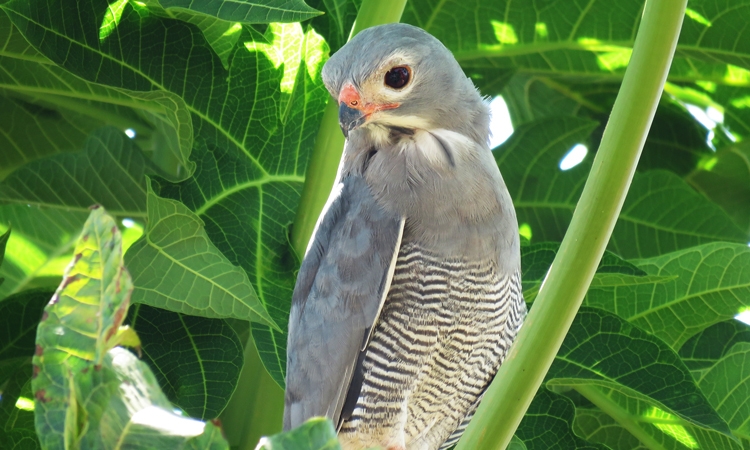
Martial eagles, Africa’s largest and most powerful eagles, rule the skies. They can spot prey from over a kilometer away and dive with incredible speed. Augur buzzards circle high, scanning for small mammals. Tawny eagles, bateleurs, and African harrier-hawks add to the aerial drama.
Vultures—though sometimes overlooked—play a critical ecological role, cleaning the plains and preventing disease. Watching them descend in unison on a carcass reminds travelers that every species, even the least glamorous, has its place in nature’s design.
With the help of expert guides from Woodsly Adventures, birders often identify more raptors in one Amboseli morning than in an entire week elsewhere.
6. Color and Song – The Small Birds That Steal the Show
While the big birds dominate the skyline, Amboseli’s smaller species provide its color and melody.
Bee-eaters, with their emerald wings and scarlet throats, hover and swoop to catch insects mid-flight. Weavers build intricate hanging nests that sway gently from branches, a symbol of dedication and artistry.
The vivid sunbirds, shimmering in metallic blues and greens, flit among wildflowers, while hornbills hop across the dusty tracks, their oversized bills echoing the park’s playful spirit.
These small birds bring Amboseli’s scenery to life, painting motion and sound into every landscape. Their presence adds texture to the silence of the savannah.
7. Migratory Birds – Guests from Distant Lands
Between October and April, Amboseli becomes a rest stop for travelers from across the world—migratory birds escaping the cold northern winters.
European storks, barn swallows, wagtails, and steppe eagles arrive from as far as Russia and Eastern Europe. They mingle effortlessly with Amboseli’s residents, turning the park into a global crossroads of wings.
This migration adds dynamism to Amboseli’s ecosystem and provides birders with a fresh experience on every visit. A safari in January, for instance, offers completely different sightings from one in July.
With Woodsly Adventures, each itinerary can be timed to match these migratory patterns, ensuring you experience Amboseli’s birdlife at its peak diversity.
8. Best Seasons and Spots for Birdwatching in Amboseli
Birdwatching in Amboseli is rewarding all year, but some seasons and locations stand out:
Best Time:
-
November to May – peak of migratory bird season and breeding for many resident species.
-
June to October – excellent visibility, raptors in action, and fewer insects.
Top Birdwatching Locations:
-
Enkongo Narok Swamp – herons, pelicans, jacanas, and spoonbills.
-
Observation Hill – panoramic views and opportunities to spot soaring raptors.
-
Ol Tukai area – dense bird activity near acacia trees and marshes.
-
Seasonal lakes – flamingos and waterfowl after heavy rains.
Each Woodsly Adventures guide knows these areas intimately, adjusting routes based on weather, water levels, and seasonal behaviors.
9. Birdwatching Tips and Photography Secrets
To make the most of your birdwatching safari in Amboseli:
-
Start early – mornings offer the best light and bird activity.
-
Carry binoculars and a field guide – identification enhances the thrill.
-
Be patient – quiet observation often leads to the best sightings.
-
Use silent mode on cameras to avoid startling birds.
-
Focus on behavior, not just beauty—feeding, nesting, and interactions tell richer stories.
Photographers will find Amboseli’s soft light and open terrain ideal for both close-up portraits and sweeping scenic shots. Woodsly Adventures also arranges dedicated photography safaris, perfect for serious birders with lenses ready.
10. Experience Amboseli’s Birds with Woodsly Adventures
To walk through Amboseli is to walk through a living aviary. Every tree holds a secret, every swamp hums with song, and every sunrise invites you to look up.
With Woodsly Adventures, birdwatching becomes an immersive experience—guided by experts who understand both the species and the stories behind them.
The Amboseli Elephant Safari seamlessly blends traditional wildlife viewing with exceptional birdwatching opportunities. Extend your journey by pairing Amboseli with:
-
Tsavo National Park Adventure – spot ground hornbills and raptors in red-dusted landscapes.
-
Masai Mara Safari – encounter vultures, ostriches, and rollers amid migration herds.
-
Wasini Island Marine Park Excursion – see seabirds and dolphins on Kenya’s southern coast.
Your safari isn’t just a trip—it’s a front-row seat to one of the world’s greatest natural performances.
Final Thoughts – The Symphony of Amboseli
In Amboseli, the sky isn’t empty—it’s alive. Every flap of wings, every cry above the plains, every shimmer of color tells a story of endurance and grace.
Here, elephants walk below and eagles soar above, and both are part of the same endless cycle of life.
Book your Amboseli Elephant Safari with Woodsly Adventures and let your eyes and ears open to the beauty of 400 species that make Amboseli Kenya’s true birdwatching paradise.