Before the first light touches Mount Kilimanjaro, Amboseli National Park awakens to a soundscape like no other. The air trembles with the calls of hornbills, the flutter of flamingos, and the chatter of weavers building their nests over glistening wetlands. For birdwatchers, this is heaven on earth.
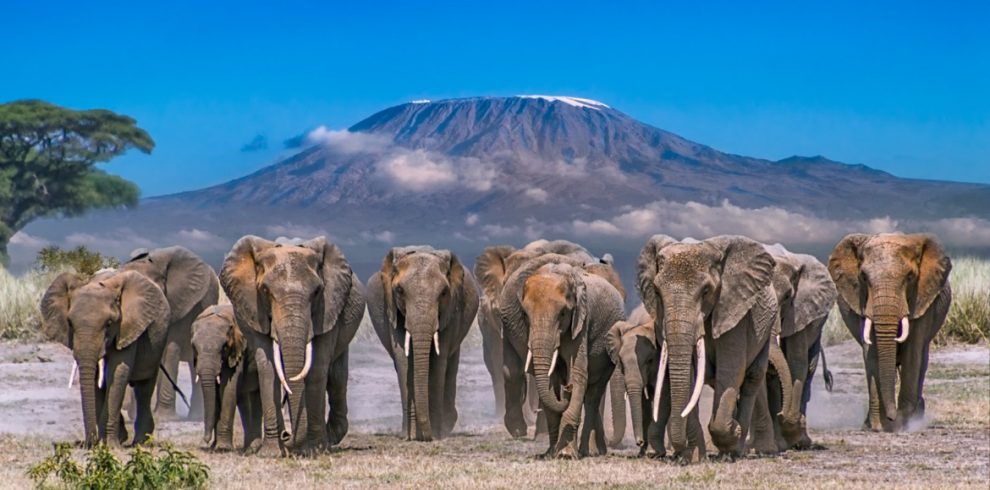
Amboseli is often celebrated for its elephants and panoramic views of Kilimanjaro, but beneath that grandeur lies another treasure — over 400 species of birds, from rare migrants to striking residents. Whether you are a casual nature lover or a serious birder with binoculars always at the ready, this park offers endless discovery.
At Woodsly Adventures, birding isn’t just an add-on — it’s an art. Their expert-guided safaris immerse you in Amboseli’s avian wonders, revealing hidden corners where color, sound, and flight combine in unforgettable harmony.
Table of Contents
-
Why Amboseli Is a Birdwatcher’s Paradise
-
A Landscape That Nurtures Life
-
Birding by Season – When to Visit
-
Signature Bird Species of Amboseli
-
The Wetlands – Heart of Avian Activity
-
Raptors and the Skies of Amboseli
-
Migratory Birds – Visitors from Afar
-
Bird Photography Tips in Amboseli
-
Woodsly Adventures’ Birding Expertise
-
Combining Birdwatching with Other Safari Highlights
-
Sustainable Bird Tourism and Conservation
-
Plan Your Birding Safari with Woodsly Adventures
1. Why Amboseli Is a Birdwatcher’s Paradise
Amboseli’s reputation as a photographer’s dream extends far beyond mammals. Its vast habitats — open savannahs, swamps, woodlands, and seasonal lakes — create an ideal environment for diverse birdlife.
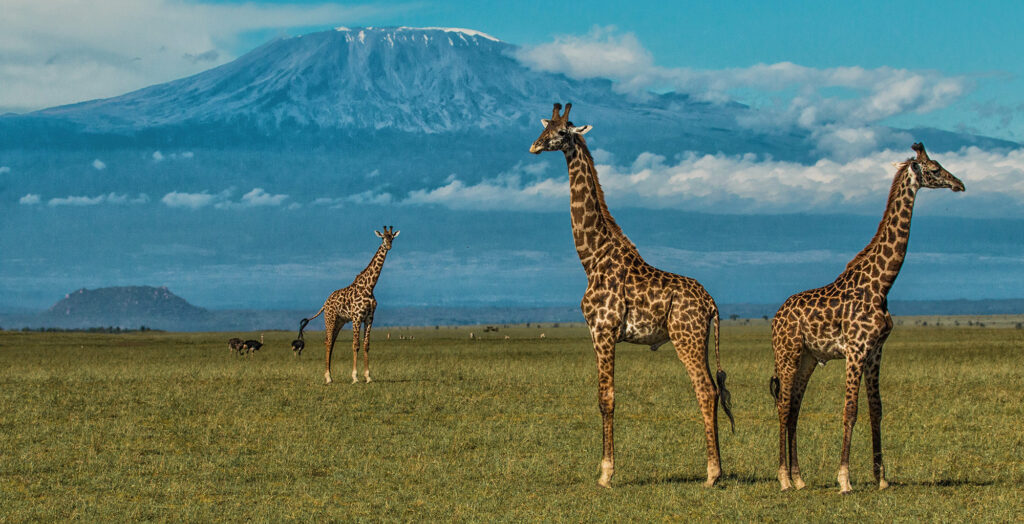
Here, flamingos gather in shimmering pink clouds, crowned cranes dance in the grasslands, and eagles soar against the backdrop of Kilimanjaro’s snow-capped peak.
What makes Amboseli special is accessibility. Unlike some parks where birds remain distant, here they are close — framed beautifully by light and landscape. Every hour spent brings a new discovery, and with Woodsly Adventures’ experienced birding guides, each species comes alive with story and song.
2. A Landscape That Nurtures Life
Amboseli’s ecosystem is built around water and contrast. The park’s heart — the Enkongo Narok swamp — is fed by underground streams from Mount Kilimanjaro, even when the surrounding plains turn golden and dry.
This constant source of water attracts both permanent residents and migratory species. From pelicans and storks to bee-eaters and hornbills, the park’s wetlands serve as a sanctuary in every season.
In the dry months (June–October), the open plains make birds easy to spot. In the wet months (November–April), the park becomes a lush green cradle for nesting and migration.
3. Birding by Season – When to Visit
Amboseli offers birding opportunities year-round, but timing your visit can reveal completely different avian spectacles.
Dry Season (June–October):
-
Easier visibility as vegetation is sparse.
-
Ideal for raptors such as Martial Eagles, Bateleurs, and African Fish Eagles.
-
Great for spotting Ostriches, Kori Bustards, and Secretary Birds on the plains.
Wet Season (November–April):
-
Migratory birds arrive from Europe and Asia.
-
Wetlands fill with life — herons, egrets, and flamingos dominate.
-
Excellent nesting period for resident species.
Best Birding Window:
Woodsly Adventures recommends visiting between December and March, when both resident and migratory birds coexist in full plumage and energy.
4. Signature Bird Species of Amboseli
Amboseli’s diversity means birders encounter everything from delicate songbirds to powerful raptors. Some species are so iconic that spotting them becomes a highlight of the trip.
Common and Remarkable Species Include:
-
Grey Crowned Crane: Elegant dancers of the grasslands, their golden crests glowing at sunrise.
-
African Jacana: The “Jesus bird,” known for walking on floating vegetation.
-
Superb Starling: Brilliant blue and orange feathers gleaming in the sun.
-
Lilac-breasted Roller: Kenya’s national bird, often perched photogenically on acacia branches.
-
Yellow-billed Stork: Graceful hunters in shallow waters.
-
Secretary Bird: Tall, striking, and known for hunting snakes.
-
African Fish Eagle: The park’s unmistakable voice near lakes and rivers.
Each of these species adds color and character to Amboseli’s living canvas.
5. The Wetlands – Heart of Avian Activity
Amboseli’s wetlands are the park’s heartbeat. Even when the savannah dries out, the swamps remain vibrant — home to thousands of birds at once.
Visitors often find themselves surrounded by motion — pelicans gliding low over the water, ibises foraging in the reeds, and plovers skimming the surface. These moments capture the serenity and wildness that define Amboseli.
Woodsly Adventures’ birding safaris often include early-morning and late-afternoon visits to these wetlands, where the light softens and birds are most active.
6. Raptors and the Skies of Amboseli
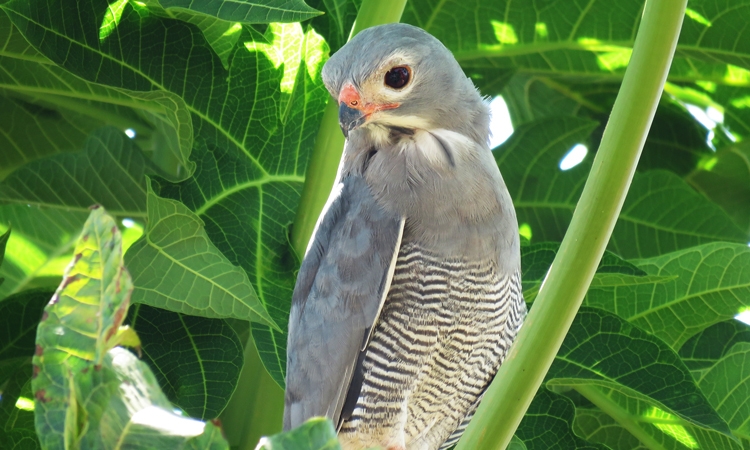
For birders drawn to power and grace, Amboseli’s skies are a theater of raptors. Eagles, hawks, vultures, and falcons dominate the air.
Common Raptors Include:
-
African Hawk-Eagle
-
Tawny Eagle
-
Bateleur Eagle
-
Augur Buzzard
-
Secretary Bird (ground-based raptor)
-
Lappet-faced and White-backed Vultures
These species perform vital ecological roles — keeping the balance by scavenging or hunting rodents and snakes. Seeing them soar with Kilimanjaro behind them is an unforgettable sight.
7. Migratory Birds – Visitors from Afar
Every year, Amboseli becomes a temporary home to migratory species that journey thousands of kilometers. Between November and April, European and Asian birds arrive, enriching the ecosystem.
Some notable migratory visitors include:
-
Eurasian Bee-eater
-
White Stork
-
Northern Wheatear
-
Barn Swallow
-
Common Sandpiper
-
European Roller
Their arrival signals life’s rhythm — a natural connection between continents. Woodsly Adventures guides often share stories of these long-distance travelers, making each sighting even more meaningful.
8. Bird Photography Tips in Amboseli
Amboseli’s light is among the most magical in Africa. With Mount Kilimanjaro as a backdrop, every shot feels cinematic.
Woodsly Adventures’ Photography Advice:
-
Early Morning: Capture soft light and active behavior.
-
Late Afternoon: Use golden tones for dramatic compositions.
-
Wet Season: Look for reflections in flooded areas.
-
Use a Long Lens: 300mm or more for detailed portraits.
-
Stay Patient: The best shots come from calm observation, not chase.
Guides with Woodsly Adventures understand positioning and timing — ensuring you’re always where the action happens, without disturbing the birds.
9. Woodsly Adventures’ Birding Expertise
What sets Woodsly Adventures apart is their deep respect for both birds and balance. Their guides are trained naturalists who know bird calls, habitats, and behaviors intimately.
Why Birders Choose Woodsly Adventures:
-
Customized itineraries for beginner to expert birders.
-
Combination safaris that merge birdwatching with big-game viewing.
-
Use of eco-friendly lodges that support conservation.
-
Small group or private safaris for focus and flexibility.
Their Amboseli Elephant Safari is easily adapted to include birding stops, photography sessions, or cultural visits to Maasai villages.
10. Combining Birdwatching with Other Safari Highlights
Birding doesn’t have to stand alone — it can complement Kenya’s broader safari circuit. Woodsly Adventures designs seamless combinations that enhance every trip:
-
Tsavo National Park Adventure: See hornbills, sunbirds, and raptors alongside Tsavo’s red elephants.
-
Masai Mara Safari: Spot over 450 bird species including the Rosy-throated Longclaw and Secretary Bird.
-
Mombasa Beach Retreat: Combine birding with coastal relaxation — watch kingfishers and egrets by the ocean.
-
Wasini Island Marine Park Excursion: Extend your birdwatching to sea birds and dolphins along Kenya’s coast.
These multi-destination safaris balance diversity, relaxation, and discovery — making Kenya’s birdlife part of a grander adventure.
11. Sustainable Bird Tourism and Conservation
Amboseli’s birdlife depends on careful stewardship. Habitat protection, community involvement, and responsible tourism are key to keeping the skies alive.
Woodsly Adventures practices sustainable tourism through:
-
Supporting local Maasai communities who protect bird habitats.
-
Partnering with eco-lodges that minimize waste and conserve water.
-
Educating travelers on ethical birdwatching — no playback or disturbance of nesting birds.
When you travel with Woodsly Adventures, your visit helps ensure Amboseli’s birds continue to thrive for generations.
12. Plan Your Birding Safari with Woodsly Adventures
Every birdwatching journey tells a story — of patience, discovery, and connection to the wild. Amboseli’s story unfolds one feather at a time, in colors and calls that linger long after you’ve returned home.
Whether it’s your first safari or your fiftieth, Woodsly Adventures crafts experiences that feel personal, peaceful, and purposeful. Their birding safaris are designed to balance excitement with respect — ensuring each sighting feels earned and authentic.
Conclusion – Where the Sky Comes Alive
In Amboseli, every sunrise begins with a chorus and every sunset ends in song. The park’s birdlife isn’t just something to observe — it’s something to feel.
From flamingos reflecting on the water’s surface to eagles gliding high above, the park hums with life. It’s not simply about counting species; it’s about understanding nature’s rhythm — one call, one flight, one moment at a time.
For those who want to listen closer, watch deeper, and travel with meaning, Woodsly Adventures turns Amboseli into more than a destination — it becomes your sanctuary of sound and color.
Call to Action
Discover Amboseli’s vibrant birdlife with expert guides who know every song and feather. Book your Amboseli Elephant Safari today with Woodsly Adventures — and experience Kenya’s skies alive with color, wings, and wonder.