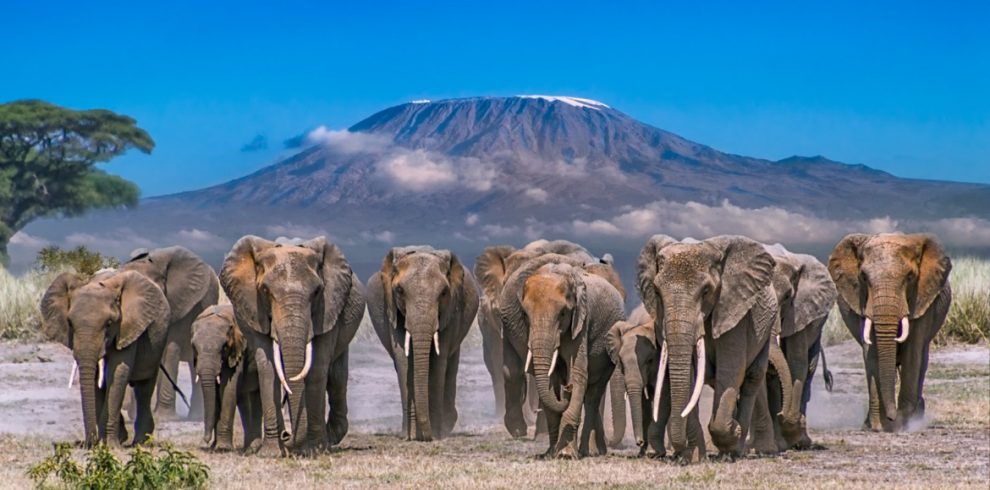
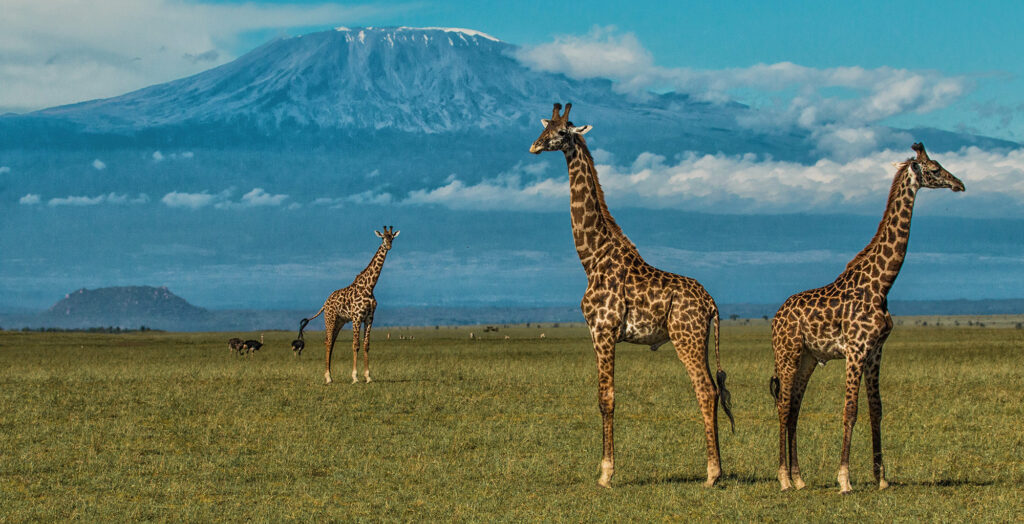
Amboseli National Park isn’t just one of Kenya’s most beautiful landscapes; it’s also a delicate ecosystem where wildlife, people, and tourism meet. Beneath Mount Kilimanjaro’s shadow, elephants roam freely, Maasai communities thrive, and visitors from around the world come to experience the magic of Africa’s open plains.
But every footprint, every photograph, every journey has an impact. That’s why sustainability matters.
At Woodsly Adventures, sustainability isn’t a marketing phrase — it’s a mission. The company is committed to showing travelers the wonder of Amboseli while ensuring the land, animals, and cultures that make it special remain protected for generations to come.
This is more than just travel. It’s a partnership with nature.
Table of Contents
-
Understanding Sustainable Tourism
-
The Balance Between Conservation and Travel
-
Amboseli’s Unique Ecosystem
-
The Role of the Maasai Community in Conservation
-
Woodsly Adventures’ Commitment to Responsible Travel
-
Eco-Friendly Lodges and Green Practices
-
Protecting Amboseli’s Wildlife – Especially Elephants
-
Supporting Local Communities Through Tourism
-
How Travelers Can Make a Difference
-
Connecting Sustainability Across Kenya
-
Planning an Ethical Safari Experience
1. Understanding Sustainable Tourism
Sustainable tourism means traveling in a way that benefits both the environment and the people who live in it. It’s about leaving a positive legacy — supporting local communities, preserving natural habitats, and reducing the negative impact of travel.
In a destination like Amboseli, where elephants and Maasai villages coexist within a fragile ecosystem, sustainable travel is not optional — it’s essential.
Woodsly Adventures believes in creating safaris that protect the environment, empower local people, and give travelers meaningful, authentic experiences. Every journey is crafted with purpose, not just pleasure.
2. The Balance Between Conservation and Travel
Tourism is one of Kenya’s leading industries, but it can also strain natural resources if not managed well. Amboseli, with its open plains and limited water sources, feels these pressures more than most.
Woodsly Adventures helps maintain balance by working closely with local communities, rangers, and park authorities to ensure tourism supports conservation rather than disrupts it.
By limiting vehicle congestion, following ethical wildlife viewing guidelines, and promoting eco-friendly accommodation, Woodsly ensures Amboseli remains wild, quiet, and thriving.
3. Amboseli’s Unique Ecosystem
Amboseli is often called “The Land of Giants” — not only for its elephants but for the immense natural diversity packed into its compact size.
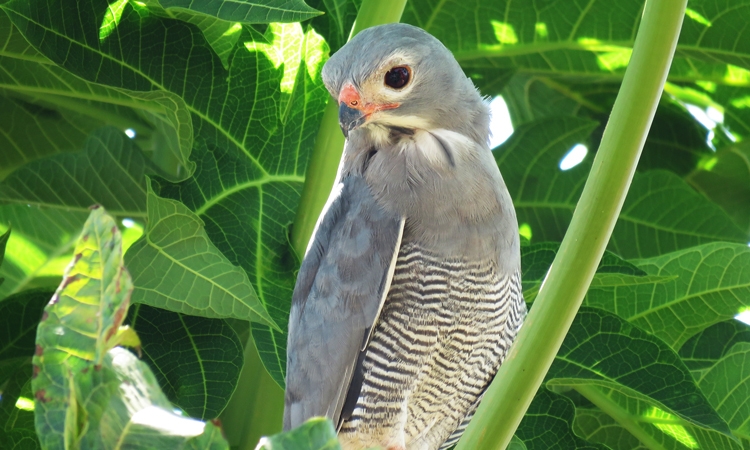
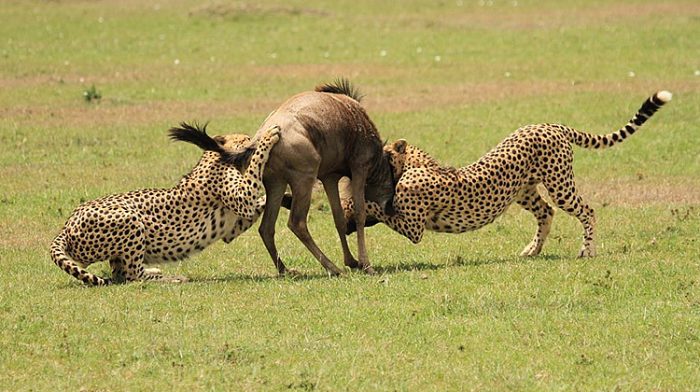
The park’s wetlands, fed by underground water from Mount Kilimanjaro, create oases for countless species: buffalo, giraffes, zebras, lions, cheetahs, and over 400 bird species. But droughts, human activity, and climate change pose ongoing threats.
Woodsly Adventures educates travelers about Amboseli’s ecosystem and how every safari choice — from which lodge you stay in to how you travel — contributes to its preservation.
Guests don’t just observe nature here; they become part of its protection.
4. The Role of the Maasai Community in Conservation
No one understands Amboseli better than the Maasai. For generations, they’ve lived alongside its wildlife, herding cattle and respecting migration paths. Their traditions reflect an intuitive understanding of balance — taking only what is needed and giving back to the land.
Today, Maasai communities play a vital role in conservation. Through partnerships with Woodsly Adventures, they act as guides, storytellers, and stewards of Amboseli’s cultural and ecological heritage.
By visiting Maasai villages and supporting community projects, travelers contribute directly to education, healthcare, and wildlife protection initiatives.
This isn’t tourism that takes — it’s tourism that gives back.
5. Woodsly Adventures’ Commitment to Responsible Travel
From the beginning, Woodsly Adventures has built its safaris around sustainability principles. Their philosophy is simple: travel should uplift, not exploit.
Here’s how they make it happen:
-
Eco-Conscious Itineraries: Routes are designed to minimize environmental impact and vehicle congestion.
-
Community Inclusion: Every safari includes opportunities to engage with local Maasai groups and conservation programs.
-
Education and Awareness: Guides are trained in sustainable practices and share conservation insights during each journey.
-
Waste Reduction: Plastic-free policies and eco-friendly packaging are standard.
-
Carbon Responsibility: Offsetting travel emissions through reforestation and renewable energy support.
Woodsly Adventures proves that responsible tourism doesn’t mean sacrificing comfort or experience — it means enhancing both.
6. Eco-Friendly Lodges and Green Practices
Sustainability extends beyond the safari trail. Many lodges partnered with Woodsly Adventures are built on eco-friendly designs that blend with nature instead of competing against it.
Features often include:
-
Solar-powered lighting and heating
-
Water recycling systems
-
Locally sourced materials and produce
-
Plastic-free operations
-
Employment and training for local residents
Guests enjoy the luxury of Amboseli’s wilderness while knowing their stay supports conservation.
For example, staying in eco-lodges near Enkongo Narok Swamp or Ol Tukai allows travelers to view elephants from solar-lit decks, surrounded by nature, without disturbing it.
7. Protecting Amboseli’s Wildlife – Especially Elephants
Elephants are Amboseli’s ambassadors. Their peaceful herds and towering tusks attract travelers from all over the world. But they’re also among the most vulnerable species due to habitat loss and climate change.
Woodsly Adventures supports several elephant protection efforts, including ranger patrols, migration corridor preservation, and anti-poaching campaigns.
Guests are educated on responsible viewing — maintaining respectful distances, avoiding noise pollution, and prioritizing the animals’ comfort over photography.
Through sustainable safari practices, travelers become silent guardians — witnesses who protect simply by caring.
8. Supporting Local Communities Through Tourism
True sustainability means empowering people. Woodsly Adventures ensures that tourism income directly benefits Maasai communities through fair wages, craft sales, and educational programs.
Women’s cooperatives, for example, receive direct support through beadwork and art sales to visitors. Schools gain funding from community visits, and conservation jobs provide young Maasai men with meaningful livelihoods beyond herding.
Travel becomes a partnership — one where visitors and locals build a better future together.
This model is what makes Amboseli’s story one of hope rather than loss.
9. How Travelers Can Make a Difference
Travelers have more power than they realize. Small choices make big impacts. Here’s how every visitor can help protect Amboseli:
-
Choose Ethical Operators: Always book with responsible companies like Woodsly Adventures that prioritize sustainability.
-
Respect Wildlife: Keep a safe distance and follow your guide’s lead.
-
Limit Waste: Carry reusable water bottles and avoid single-use plastics.
-
Support Local Crafts: Buy directly from Maasai artisans.
-
Learn Before You Go: Understanding Amboseli’s challenges makes your journey more meaningful.
Every act of mindfulness supports the long-term health of Amboseli’s people and environment.
10. Connecting Sustainability Across Kenya
Amboseli’s sustainable tourism model is part of a larger story — one that stretches across Kenya’s diverse landscapes.
Woodsly Adventures offers eco-friendly safaris that link multiple destinations, creating a seamless journey of conservation and discovery:
-
Tsavo National Park Adventure: Explore Kenya’s largest wilderness, where elephants migrate between Amboseli and Tsavo.
-
Masai Mara Safari: Witness the Great Migration while supporting local Maasai conservation projects.
-
Mombasa Beach Retreat: Enjoy a low-impact coastal escape powered by local partnerships.
-
Wasini Island Marine Park Excursion: Combine a marine adventure with coral restoration and community-driven conservation.
This interconnected network of sustainable safaris ensures that every mile of your Kenyan journey has purpose and positive impact.
11. Planning an Ethical Safari Experience
Sustainability doesn’t mean compromise — it means care. When planning your Amboseli safari, consider these practical steps:
-
Book with Conscious Operators: Partner with agencies like Woodsly Adventures that prioritize the environment and community welfare.
-
Stay Longer, Travel Less: Fewer transfers mean smaller carbon footprints and deeper experiences.
-
Pack Light and Smart: Eco-friendly toiletries, solar chargers, and reusable bottles go a long way.
-
Ask Questions: Learn where your money goes — Woodsly will proudly show you the local projects your safari supports.
-
Be an Advocate: Share your experience to inspire others to travel responsibly.
With Woodsly Adventures, planning an ethical safari isn’t difficult — it’s built into every detail.
Conclusion – Protecting What Makes Amboseli Magical
Sustainable tourism in Amboseli is not about restriction — it’s about respect. It’s about ensuring that every sunrise over Kilimanjaro, every elephant crossing the plains, and every Maasai song continues long after we’re gone.
With Woodsly Adventures, you don’t just visit Amboseli — you help preserve it. You travel with purpose, empathy, and a sense of belonging to something greater.
Because true adventure isn’t about how far you go. It’s about how gently you walk the path.
Call to Action
Travel responsibly. Experience Amboseli’s wildlife, people, and landscapes with a company that cares. Book your Amboseli Elephant Safari today with Woodsly Adventures — and become part of the story that keeps Kenya’s wild heart beating.