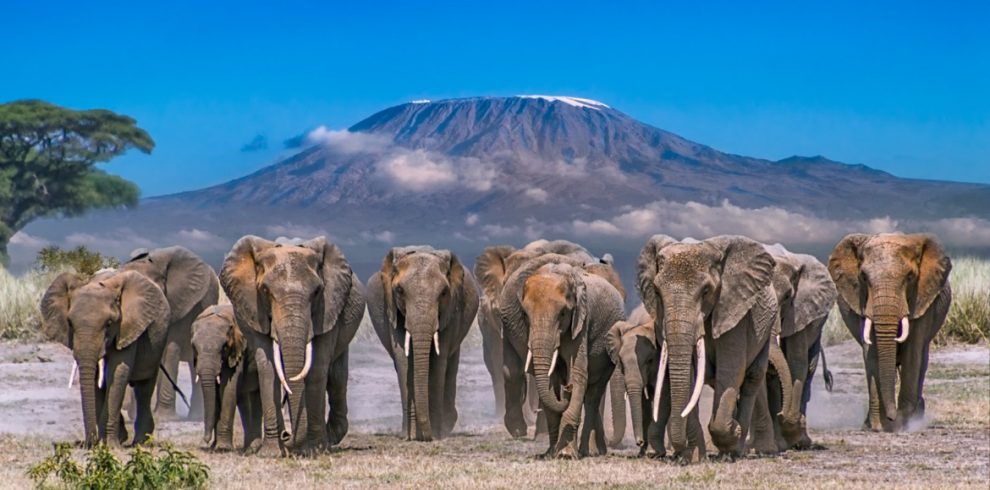
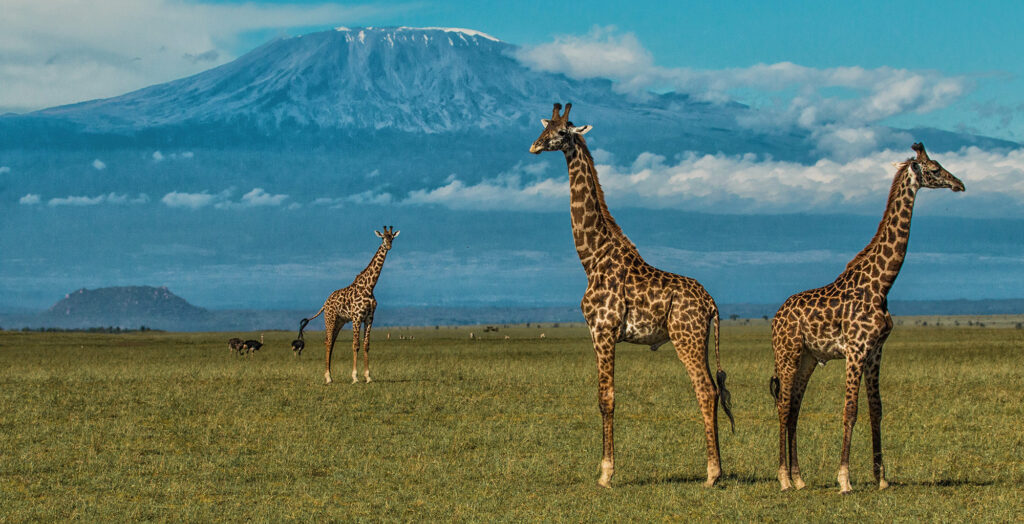
When travelers dream of a safari in Kenya, they often imagine lions prowling the savannah or elephants silhouetted against Mount Kilimanjaro. But for those who look a little closer, Amboseli reveals another world — one of subtle colors, songs, and delicate balance.
Amboseli National Park is not only home to Africa’s iconic mammals; it is also one of Kenya’s most biodiverse ecosystems. Over 400 species of birds, countless plants, and a vibrant array of smaller creatures thrive here, weaving life into every inch of the landscape.
Exploring this side of Amboseli with Woodsly Adventures means slowing down, listening, and truly connecting with the living pulse of nature. It’s about trading the chase for the Big Five for the beauty of the overlooked — and discovering that sometimes, the smallest wings tell the biggest stories.
Table of Contents
-
Amboseli’s Hidden World of Life
-
The Wetlands – A Paradise for Birds
-
Grasslands and Acacia Woodlands – The Heart of Diversity
-
Seasonal Migrations and Birdwatching Highlights
-
Small Creatures, Big Wonders
-
The Role of Biodiversity in Amboseli’s Balance
-
Conservation Challenges and Community Efforts
-
Birdwatching with Woodsly Adventures
-
Combining Biodiversity with Classic Safaris
-
How to Plan a Responsible Nature Safari
1. Amboseli’s Hidden World of Life
At first glance, Amboseli’s dusty plains appear simple — dry, flat, even barren. But beneath that first impression lies a living mosaic. Fed by underground rivers from Mount Kilimanjaro, the park’s wetlands, woodlands, and savannahs support an astonishing variety of life.
Amboseli’s biodiversity is its quiet triumph. From the shimmer of dragonflies over marshes to the flash of a malachite kingfisher darting between reeds, there’s wonder in every direction.
With Woodsly Adventures, travelers learn to see beyond the obvious. Their expert naturalist guides reveal how every insect, bird, and tree plays a vital role in this fragile ecosystem — and why protecting these connections matters just as much as conserving elephants or lions.
2. The Wetlands – A Paradise for Birds
The wetlands of Amboseli are the beating heart of the park’s biodiversity. They act as a magnet for life — a constant source of water and food in an otherwise dry landscape.
Here, you’ll find one of Kenya’s most rewarding birdwatching experiences.
Common Wetland Species Include:
-
African jacanas walking gracefully across floating vegetation
-
Great white pelicans gliding in formation
-
Egrets and herons stalking the shallows
-
Yellow-billed storks feeding alongside hippos
-
Glossy ibises, spoonbills, and ducks filling the skies
During the rainy seasons, thousands of flamingos arrive to feed on algae, turning the wetlands pink with life. The sight of these birds mirrored in the calm water, with Mount Kilimanjaro behind, feels almost surreal — a photographer’s dream.
Woodsly Adventures arranges early morning drives and guided walks near the Enkongo Narok swamp, where light and wildlife activity are at their peak.
3. Grasslands and Acacia Woodlands – The Heart of Diversity
Move away from the water, and Amboseli’s landscape shifts. The open plains and scattered acacia woodlands host a completely different world.
Here, smaller birds like weavers, shrikes, hornbills, and rollers dominate. Their songs create a symphony that greets every sunrise.
Among them, the superb starling stands out — iridescent blue and orange under the morning light, bold and curious around safari vehicles.
Other notable residents include:
-
Lilac-breasted roller (Kenya’s national bird)
-
Abyssinian hornbill
-
Red-and-yellow barbet
-
Grey-headed kingfisher
-
Secretary bird stalking the plains for snakes
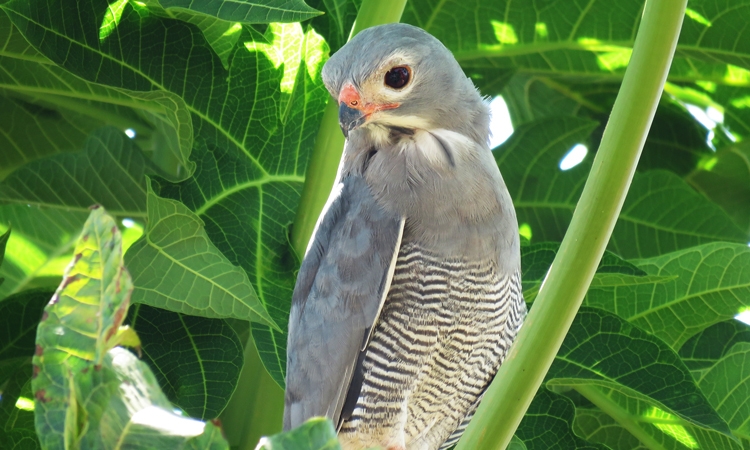
Even raptors find their haven here. Martial eagles, bateleurs, and kestrels patrol the skies, scanning for prey.
With Woodsly Adventures, photographers can explore these zones at different times of day, capturing the rhythm of Amboseli’s life beyond mammals — from tiny sunbirds sipping nectar to vultures circling in majestic silence.
4. Seasonal Migrations and Birdwatching Highlights
Amboseli’s birdlife changes dramatically with the seasons.
From November to April, migratory species arrive from Europe and Asia, escaping northern winters. This period is a paradise for birdwatchers — the wetlands fill with life, and the air hums with wings.
During this time, travelers can spot Eurasian bee-eaters, white storks, steppe eagles, and even rare visitors like the Amur falcon.
From June to October, while the park is drier, resident birds dominate the landscape. Flocks gather around the remaining water bodies, making it easier to observe and photograph interactions.
Woodsly Adventures tailors its itineraries around these seasonal rhythms, ensuring enthusiasts experience Amboseli at its most alive.
5. Small Creatures, Big Wonders
Beyond birds, Amboseli teems with smaller creatures that sustain the ecosystem.
Colorful butterflies flutter over the marshes, dung beetles roll their precious cargo across dusty roads, and termites build mounds that double as lookout points for mongooses and lizards.
Even amphibians thrive here — frogs and toads emerge during the rains, their chorus filling the night air.
Woodsly’s naturalist guides help visitors appreciate these lesser-seen marvels. Learning to notice them deepens the safari experience, turning a wildlife trip into a holistic nature immersion.
6. The Role of Biodiversity in Amboseli’s Balance
Every species in Amboseli, no matter how small, plays a role in keeping the ecosystem in balance.
Birds control insects, disperse seeds, and clean carcasses. Termites enrich soil. Even the plants, like acacias, support countless insects and birds.
This interdependence creates resilience — a system that adapts to changing weather and challenges. But it’s also fragile. Loss of one element can ripple through the entire chain.
By traveling with responsible operators like Woodsly Adventures, visitors contribute to the protection of these ecosystems. Woodsly supports conservation initiatives that ensure Amboseli remains a sanctuary for all its species, not just its giants.
7. Conservation Challenges and Community Efforts
Despite its beauty, Amboseli faces environmental challenges. Increasing droughts, habitat encroachment, and climate change threaten its delicate ecosystems.
However, hope thrives through collaboration. Maasai communities, conservation organizations, and tourism partners like Woodsly Adventures are working together to restore and protect Amboseli’s biodiversity.
Programs focus on:
-
Restoring wetland areas through controlled grazing
-
Supporting bird monitoring and scientific research
-
Educating youth in local schools about conservation
-
Encouraging sustainable tourism that funds wildlife protection
These partnerships demonstrate that when people and nature unite, Amboseli flourishes.
8. Birdwatching with Woodsly Adventures
For bird lovers, Woodsly Adventures curates unforgettable birding safaris in Amboseli.
Each trip includes:
-
Expert bird guides with deep ecological knowledge
-
Private vehicles equipped for photography
-
Early morning and evening drives tailored to bird activity
-
Optional guided walks for up-close observation
-
Field checklists and identification sessions
Birdwatching with Woodsly is both scientific and soulful. It’s about listening to nature’s rhythm and learning the subtle art of observation.
Guests often combine birding with broader eco-tours, extending their journey to other biodiverse destinations like:
-
Tsavo National Park Adventure – for raptors and dryland species.
-
Masai Mara Safari – for open plains birds and migration scenes.
-
Wasini Island Marine Park Excursion – for seabirds and coastal biodiversity.
Each adds a new chapter to your Kenyan nature journey.
9. Combining Biodiversity with Classic Safaris
One of the greatest joys of Amboseli is its balance — a place where you can enjoy both iconic wildlife and subtle natural wonders.
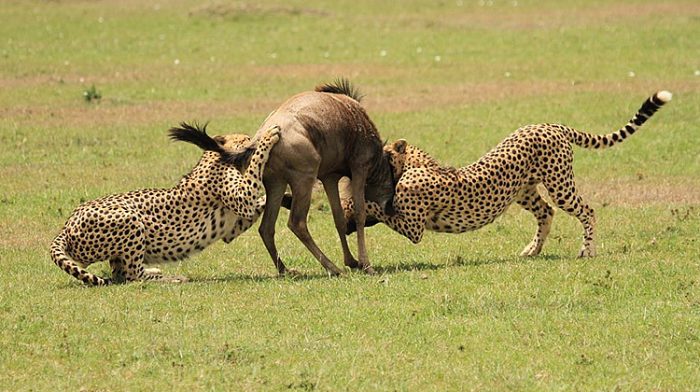
After photographing elephants at dawn, you can spend mid-morning spotting bee-eaters and lilac-breasted rollers near the swamps. An afternoon game drive may reveal lions hunting while pelicans glide overhead.
To enrich your experience, Woodsly Adventures offers itineraries that pair Amboseli’s biodiversity with contrasting ecosystems:
-
Mombasa Beach Retreat: Move from savannah to sea, exploring coral and marine life.
-
Tsavo National Park Adventure: Discover Kenya’s largest park and its dryland species.
Together, these journeys tell Kenya’s complete ecological story — from highland forests to ocean reefs.
10. How to Plan a Responsible Nature Safari
To make the most of your biodiversity-focused safari, consider these expert tips from Woodsly Adventures:
-
Travel Light, Watch Closely: Bring binoculars and a field guide to identify birds and smaller animals.
-
Pack Ethically: Avoid single-use plastics and support sustainable lodges.
-
Respect Wildlife: Observe quietly, maintain distance, and let nature lead the pace.
-
Travel in Green Seasons: Visit after the rains (January–March) for the best birding and greenery.
-
Choose Responsible Operators: Travel with partners like Woodsly Adventures who prioritize conservation and community engagement.
Conclusion – Seeing Amboseli with New Eyes
The elephants may draw you to Amboseli, but the birds, insects, and plants will make you stay longer in your heart. This park’s true beauty lies in its diversity — in the way every sound, color, and movement fits into an ancient ecological rhythm.
Traveling with Woodsly Adventures allows you to experience this side of Amboseli with care and depth. Their guides don’t just show you animals; they reveal stories — of balance, adaptation, and life’s quiet miracles.
Because in Amboseli, the wildest adventure isn’t always the loudest. Sometimes, it’s in the flutter of wings, the whisper of reeds, and the realization that every living thing matters.
Call to Action
Discover Amboseli’s living symphony. Book your Amboseli Elephant Safari with Woodsly Adventures today and explore Kenya’s most biodiverse landscapes — where every sound and every color tells the story of life itself.