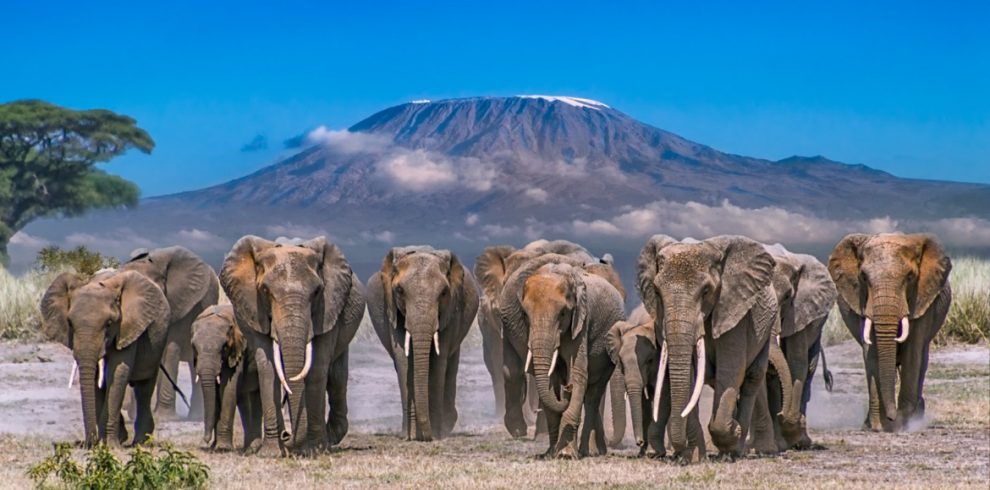
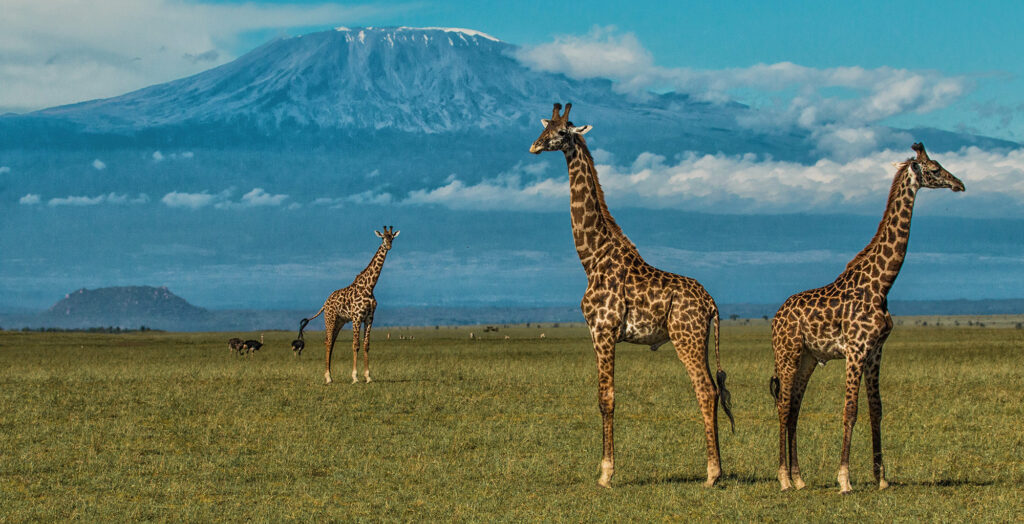
As dawn breaks over Amboseli National Park, the plains awaken beneath the soft light of Mount Kilimanjaro. Elephants march in single file, crowned cranes lift from the marshes, and far in the distance, a line of red shukas (Maasai robes) moves gracefully across the golden grass. The scene captures the essence of Kenya — wild, proud, and deeply human.
For many, Amboseli is synonymous with wildlife photography and open savannahs, but to truly understand this landscape, one must meet its guardians — the Maasai people. Their traditions, music, and way of life are as much a part of the park’s identity as its elephants and acacias. With Woodsly Adventures, travelers don’t just see Amboseli; they experience it through the stories and eyes of its people.
Table of Contents
-
The Maasai – Keepers of Amboseli’s Spirit
-
A Way of Life in Harmony with Nature
-
The Meaning Behind the Red Shuka
-
Maasai Traditions and Community Values
-
Visiting a Maasai Village with Woodsly Adventures
-
The Rhythm of Song and Dance
-
The Art of Beadwork – Symbols of Identity and Pride
-
Storytelling and Oral Wisdom
-
The Maasai and Conservation in Amboseli
-
How Cultural Encounters Enrich Your Safari
1. The Maasai – Keepers of Amboseli’s Spirit
The Maasai are one of East Africa’s most iconic and resilient communities, known for their tall stature, colorful attire, and rich oral traditions. For centuries, they have lived across the plains of southern Kenya and northern Tanzania, coexisting peacefully with the wildlife that roams these lands.
In Amboseli, the Maasai are not outsiders to the wilderness — they are its custodians. Their deep respect for the land has shaped local conservation values and ensured that Amboseli remains one of Africa’s most balanced ecosystems. When you journey here with Woodsly Adventures, you’re entering a living landscape guided by the people who know it best.
2. A Way of Life in Harmony with Nature
At the heart of Maasai life is cattle. Livestock are not just a source of wealth but a sacred connection to the earth. The Maasai measure prosperity not in money but in herds — symbols of sustenance, identity, and continuity.
Their traditional lifestyle is semi-nomadic, allowing them to follow rainfall and grazing cycles in harmony with the environment. This sustainable rhythm — taking only what nature gives — is a lesson in balance that modern travelers find both humbling and inspiring.
While modernization has touched parts of Maasailand, many communities in Amboseli still live traditionally, their homes built from earth and dung, their days marked by the rising and setting sun. Visiting them is like stepping into a living history — one that coexists gracefully with the modern world.
3. The Meaning Behind the Red Shuka
Few images are as striking as a Maasai warrior draped in a bright red shuka, spear in hand, standing against the backdrop of Kilimanjaro. But this iconic image carries meaning far beyond aesthetics.
Red symbolizes strength, unity, and protection. It is said to ward off lions — both the physical predators of the plains and the symbolic challenges of life. The colors of the shuka vary by occasion: red for bravery, blue for energy and sky, and white for purity and peace.
When you photograph Maasai life during your Amboseli Elephant Safari with Woodsly Adventures, you’re not just capturing color; you’re preserving centuries of cultural meaning woven into every thread.
4. Maasai Traditions and Community Values
The Maasai are guided by a communal philosophy known as enkanyit — respect, balance, and responsibility to others. Their social structure revolves around age sets, each with specific roles: warriors (morans), elders, and women who preserve traditions through family, crafts, and rituals.
Initiation ceremonies, marriage celebrations, and coming-of-age rituals mark important transitions, celebrated through music and dance. These traditions are not mere performances; they are expressions of identity, connecting generations and keeping culture alive.
Visitors who engage with Maasai communities through Woodsly Adventures experience this authenticity firsthand — not as outsiders but as welcomed guests.
5. Visiting a Maasai Village with Woodsly Adventures
A visit to a Maasai village is one of Amboseli’s most enriching experiences. Guided respectfully by Woodsly Adventures, guests are welcomed into homesteads known as enkangs — circular clusters of huts built from natural materials.
The experience often begins with traditional greetings and introductions. You’ll learn how the Maasai construct their homes, manage livestock, and preserve their customs in a changing world. The visit may include a short walk with herders, storytelling by elders, or a chance to join a ceremonial dance.
These encounters are conducted ethically, ensuring that tourism supports — not disrupts — daily life. A portion of your visit fee directly benefits local families, helping fund education, healthcare, and conservation efforts within the community.
Woodsly Adventures works closely with local leaders to ensure each interaction is authentic, sustainable, and meaningful for both visitors and hosts.
6. The Rhythm of Song and Dance
Music runs through Maasai culture like a heartbeat. Their songs are rhythmic, powerful, and deeply spiritual, often performed in groups with chants, clapping, and the deep, resonant hum of male voices blending with the high tones of women’s harmonies.
The adumu, or jumping dance, is perhaps the most famous of all. Young warriors form a circle, taking turns leaping gracefully into the air, each trying to outjump the other. It’s not a competition of ego but of stamina, pride, and rhythm — a symbol of vitality and readiness.
When you witness these performances during your safari, you’re not just seeing entertainment; you’re being invited into centuries-old expressions of identity and joy.
7. The Art of Beadwork – Symbols of Identity and Pride
Maasai beadwork is more than decoration — it’s a language of color and meaning. Women craft intricate necklaces, bracelets, and headdresses using bright glass beads that represent age, status, and emotion.
-
Red: Bravery and unity.
-
White: Purity and peace.
-
Blue: Energy and the sky.
-
Green: Health and land.
Purchasing beadwork directly from artisans during your Woodsly Adventures cultural visit supports local women and preserves these traditions for future generations. Each piece carries a story — a reflection of the land, community, and hands that made it.
8. Storytelling and Oral Wisdom
In Maasai culture, wisdom is not written but spoken. Elders are the living libraries of history, recounting tales of creation, battles, migrations, and moral lessons around evening fires.
Listening to these stories in the quiet of Amboseli is an unforgettable experience. The cadence of the speaker, the crackle of the fire, and the silhouette of Kilimanjaro create a moment where time feels suspended.
For travelers seeking connection beyond the visual, these exchanges remind us that Africa’s magic is not only in its sights but also in its voices.
9. The Maasai and Conservation in Amboseli
The survival of Amboseli’s wildlife is inseparable from the Maasai. Their traditional belief system, which honors all living things, aligns naturally with conservation principles.
In recent years, the Maasai have become active partners in wildlife protection, working alongside park authorities and organizations to reduce human-wildlife conflict and safeguard migration corridors. Programs supported by Woodsly Adventures contribute to these efforts by promoting community-led conservation and sustainable tourism.
Every traveler who visits Amboseli through Woodsly Adventures participates in this cycle of preservation — where every safari booked helps protect both people and nature.
10. How Cultural Encounters Enrich Your Safari
A safari in Amboseli is about more than the Big Five or Kilimanjaro’s majesty; it’s about connection. Meeting the Maasai adds a human dimension to the landscape, transforming your journey into something deeply personal.
It’s the smile of a child herding goats at dawn. The wisdom of an elder who speaks of lions and ancestors. The rhythm of feet on the earth during a dance that predates history.
When you travel with Woodsly Adventures, you don’t just photograph Amboseli — you live it. You learn that culture and nature are not separate but intertwined, shaping each other in a timeless dance beneath Africa’s vast sky.
Whether you combine your Amboseli Elephant Safari with a Masai Mara Safari for a broader cultural experience or extend your adventure to the coast for a Mombasa Beach Retreat, every moment is designed to connect you with Kenya’s living heritage.
Call to Action
Experience Amboseli through the eyes of its people. Join Woodsly Adventures for an authentic journey that blends wildlife, culture, and conservation. Book your Amboseli Elephant Safari today and walk with the Maasai — the true guardians of Kenya’s wild heart.